

 Acrylic On CanvasWallArtColor Field Painting
 1949Modern
 204.0 x 169.0 cm
Tällä sivulla esitettyä taideteosta suojaa tekijänoikeuslaki, mikä tarkoittaa, ettemme voi laillisesti luoda tai myydä täsmälleen samanlaista jäljennöstä. Tämä suoja toteutetaan kansainvälisten sopimusten, kuten esimerkiksi Berne-konventio ja kansallisilla laeilla, mukaan lukien niillä määritellyt Yhdysvaltain tekijänoikeuslaki – Luku 17. Kaikki oikeudet pidätetään. Luvaton kopiointi tai jäljittely on kielletty.
Kunnioittavana ja laillisena vaihtoehtona tarjoamme alkuperäisestä inspiroituneita, yksilöllisiä ja käsinmaalattuja taideteoksia. Taitavat ja ammattimaiset taiteilijamme tutkivat huolellisesti alkuperäisen teoksen tyyliä, tunnelmaa ja taiteellista ydintä luodakseen uuden, ainutlaatuisen teoksen, joka herättää saman tunteen – säilyttäen samalla oman itsenäisen alkuperäisyytensä.
Tämä menetelmä noudattaa täysin tekijänoikeussäännöksiä, sillä se ei sisällä suojatun taideteoksen kopioimista tai jäljentämistä. Sen sijaan kyseessä on luova uudelleentulkinta – uusi maalaus, joka ammentaa vaikutteita alkuperäisestä, mutta ei ole sen identtinen kopio.
Käsinmaalattu öljyväri kankaalle haluamassasi koossa ja kehyksissä, taiteilijoidemme valmistamana tilauksesta. ( Vaihda tulosteeseen Siirry digitaaliseen kuvaan)





























Valitse valmiista mitoistamme sellaiset, jotka vastaavat teoksen alkuperäisiä mittasuhteita.

Voit syöttää omat mitat sopimaan tiettyyn kehykseen tai tilaan. Jos valitsemasi koko ei vastaa alkuperäisen kuvan mittasuhteita, rajaamme taideteoksen tai jatkamme maalausta käsin maalatuilla elementeillä. Digitaalinen esikatselu lähetetään hyväksyttäväksi ennen tuotannon aloittamista.
Huomioithan, että näytöllä oleva esikatselu ei vastaa todellista rajausta tai jatkamista. Vain digitaalinen mallikuva näyttää lopullisen sommittelun tarkasti.
Vaikka mittatilaustyöt ovat mahdollisia, suosittelemme valitsemaan mitan ennalta määritetystä listasta alkuperäisten mittasuhteiden säilyttämiseksi.
Maailmanlaajuinen toimitus () 3–4 viikossa tavallisen 5 viikon sijaan. (11 lokakuu). Laadusta ei tingitä.
Untitled
Replikaatin koko
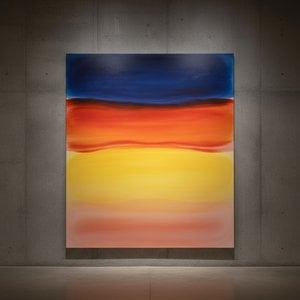
Mark Rothko’s “Untitled,” painted in 1949, isn’t merely a painting; it’s an immersive experience. This vertical canvas explodes with saturated rectangles and bands of color – crimson, deep plum, velvety black, and a shimmering copper green – arranged against a grounding field of golden yellow. The composition immediately commands attention, drawing the viewer into its quiet intensity. Rothko wasn't interested in depicting recognizable forms or narratives; instead, he sought to evoke profound emotional states through pure color itself. Born amidst the anxieties of post-war Europe and fueled by a deep sensitivity to human suffering – a legacy of his family’s experiences with displacement and loss – Rothko channeled these complex emotions into this powerfully reductive visual language.
The painting's strength lies in its deceptively simple structure. The stacked rectangles, devoid of sharp edges or defined boundaries, create an illusion of depth and movement. Rothko meticulously layered the pigments, building up a velvety surface that seems to absorb light. This technique, known as ‘gesso,’ contributes significantly to the work’s tactile quality and creates a sense of luminous richness. The soft, blended transitions between colors are crucial; they prevent the forms from appearing static or rigid, instead suggesting an ongoing process of becoming – a visual representation of contemplation and perhaps even grief.
A striking element within the composition is the dramatic interplay between the vibrant orange strip and the expansive deep plum purple band. This juxtaposition immediately establishes a dynamic tension, suggesting a push and pull between opposing forces. The thinness of the orange stripe against the breadth of the purple creates a visual imbalance that draws the eye across the canvas. The purple itself – often interpreted as representing mourning or introspection – seems to dominate the space, while the orange hints at fleeting moments of joy or remembrance. This deliberate contrast is characteristic of Rothko’s approach; he wasn't aiming for harmonious balance but rather for a compelling dialogue between contrasting emotional registers.
The placement of the monumental black rectangle below further intensifies this dynamic. Its sheer size and velvety texture create a sense of weight and gravity, anchoring the composition while simultaneously absorbing much of the light. This dark form can be seen as representing mortality or the void – a stark reminder of our own impermanence. The narrow rectangular area painted with copper green over rusty orange adds another layer of complexity, suggesting a glimmer of hope amidst the prevailing darkness, a subtle suggestion of resilience.
“Untitled” is a pivotal work in Rothko's development, marking a shift towards his signature color field paintings. It exemplifies his belief that art could transcend representation and directly access the viewer’s emotions. The painting was originally intended for inclusion in the Seagram Murals, but Rothko ultimately rejected this commission, recognizing that such monumental works should not be displayed as mere decorative elements. Instead, he sought environments – like the Rothko Chapel in Houston – where viewers could experience his paintings in isolation and allow themselves to be fully immersed in their emotional power.
Today, “Untitled” continues to resonate with audiences worldwide. Its simplicity belies a profound depth of feeling, inviting contemplation and offering a glimpse into the artist’s intensely personal vision. WahooArt's meticulously crafted hand-painted reproductions capture the luminosity and textural richness of this iconic work, allowing you to experience Rothko’s emotional landscape in exquisite detail. Consider bringing this powerful piece into your home or office – a testament to the enduring legacy of one of modern art’s most influential figures.
Teoksen Mark Rothko:n "Untitled" värikylläisyys on Clear Color Presence.
Mark Rothko:n "Untitled" on luotu vuonna 1949.
Mark Rothko loi teoksen "Untitled" ollessaan 46 vuotias. Taiteilija on syntynyt vuonna 1903 ja teos on ajoitettu vuodelle 1949.
"Untitled" on tehty vuonna 1949 käyttäen tekniikkaa Acrylic On Canvas.
Mark Rothko:n "Untitled" on suositeltava Statement, mieluiten Living Room-tilassa. Käyttötarkoitus ja tila auttavat päättämään, mihin reproduktio sopii parhaiten.
Teoksen "Untitled" alkuperäiset mitat ovat 204 x 169 cm. Alkuperäiset mitat ovat hyödyllinen vertailukohta, kun valitset reproduktion kokoa.
"Untitled" on Mark Rothko:n luoma teos. Tällä sivulla olevat tiedot kuvaavat Mark Rothko:n alkuperäistä työtä.


1903 - 1970 , Latvia

Explore the profound history and emotional depth of Color Field painting. From Mark Rothko to Barnett Newman, discover how pure color redefined modern art through our expert-led guide for students and collectors alike.

Tutustu abstraktin ekspressionismin 10 mestariteokseen! Jackson Pollock, Mark Rothko ja muut taiteilijat inspiroivat tunteellisuudellaan. Löydä upeita taidemaalauksia kotiisi WahooArt.comista – museolaatuista laatua ja sisustusehdotuksia.

Explore the profound emotional depth of Color Field painting. Discover the history of mid-century abstraction, from Rothko to Newman, and learn how pure color transforms the viewer's experience through our expert art history guide.
Explore the profound emotional depth of Mark Rothko's abstract expressionism. Discover the history, techniques & lasting impact of this pivotal Color Field painter. Expert insights for collectors and art enthusiasts.
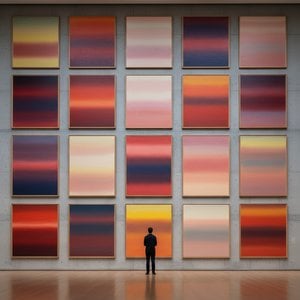
Tutustu Mark Rothkon 25 mestariteokseen ja syvälliseen maailmaan abstraktin ekspressionismin parissa. Löydä tunteelliset väritaulut, taidehistorian helmet ja inspiraatiota kotiisi WahooArtilta. Tutki kokoelma verkossa!

 Katso seinällä
 Lähetä
 Jaa
Jaa
 Tarkemmat tiedot
 Opas
Opas

 Lataa kuva
 Samanlaisia kohteita
 Röntgenkuvaus
 Diaesitys
 Tilastot
 Lue lisää









 Lasivaihtoehto on saatavilla vain alle 110 cm kokoisille teoksille


