

Tällä sivulla esitettyä taideteosta suojaa tekijänoikeuslaki, mikä tarkoittaa, ettemme voi laillisesti luoda tai myydä täsmälleen samanlaista jäljennöstä. Tämä suoja toteutetaan kansainvälisten sopimusten, kuten esimerkiksi Berne-konventio ja kansallisilla laeilla, mukaan lukien niillä määritellyt Yhdysvaltain tekijänoikeuslaki – Luku 17. Kaikki oikeudet pidätetään. Luvaton kopiointi tai jäljittely on kielletty.
Tämä menetelmä noudattaa täysin tekijänoikeussäännöksiä, sillä se ei sisällä suojatun taideteoksen kopioimista tai jäljentämistä. Sen sijaan kyseessä on luova uudelleentulkinta – uusi maalaus, joka ammentaa vaikutteita alkuperäisestä, mutta ei ole sen identtinen kopio.
Museolaatuisia giclée- tai kankaitaulun tulosteita nopealla tuotannolla ja joustavilla viimeistelyvaihtoehdoilla. ( Tilaa käsinmaalattu jäljennös Siirry digitaaliseen kuvaan)





























Valitse valmiista mitoistamme sellaiset, jotka vastaavat teoksen alkuperäisiä mittasuhteita.

Kirjoita tarvitsemasi leveys ja korkeus, jotta tuloste sopii kehyskokoon tai seinällesi. Tulostetta voidaan vain leikata, sitä ei voi koskaan tehdä suuremmaksi kuin alkuperäinen kuva, joten eri muotoinen koko aiheuttaa osan kuvasta katoamisen. Lähetämme sinulle digitaalisen mallikuvan hyväksyttäväksi ennen kuin aloitamme tulostuksen. Tällä sivulla näkyvä kuva ei näytä lopullista leikkausta — vain mallikuva näyttää sen.
Maailmanlaajuinen toimitus () 2 viikossa tavallisen 4–5 viikon sijaan. (21 lokakuu)
Untitled 92
Replikaatin koko
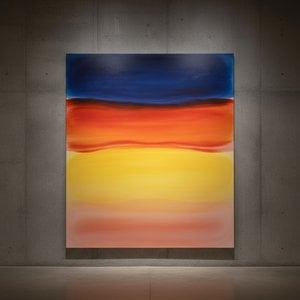
Mark Rothko's Untitled 92 is not simply a painting; it’s an invitation into a deeply personal and profoundly moving emotional landscape. Created sometime between 1949 and 1970 – the peak of his mature style – this work exemplifies Rothko’s revolutionary approach to color field painting, an artistic movement that sought to bypass representational imagery altogether in favor of directly communicating feeling through abstract means. The canvas breathes with a luminous intensity, dominated by variations of pink, subtly interwoven with hints of yellow, orange and red. These aren't colors applied as descriptive elements, but rather as veils, layered upon one another to create an atmosphere of contemplative weight.
To understand Untitled 92, we must consider the historical context in which it emerged. Following the devastation of World War II, many artists felt that traditional modes of representation were inadequate to express the anxieties and existential questioning of the era. Rothko, a Latvian immigrant who experienced firsthand the displacement and trauma of the early 20th century, sought a new visual language capable of conveying universal human emotions. He moved away from figuration, gradually simplifying his compositions until they reached this iconic state: large rectangular blocks of color floating against softly blurred backgrounds. This wasn’t about depicting *something*; it was about creating an *experience*. The scale of Rothko's canvases is crucial; they are intended to envelop the viewer, immersing them in a field of pure sensation.
Rothko’s technique was deceptively simple. He applied thin washes of oil paint onto unprimed canvas, allowing the pigment to soak into the fabric and create a luminous, almost ethereal quality. The edges of his color blocks are not sharply defined but rather softly blurred, creating a sense of vibration and movement. Close examination reveals subtle variations in texture – areas where the paint is thicker, others where it’s nearly transparent. This delicate balance between control and chance contributes to the painting's emotional resonance. He wasn’t interested in demonstrating painterly skill; his goal was to create an atmosphere that would evoke a visceral response in the viewer. The layering of colors isn’t haphazard but carefully considered, with darker tones often placed beneath lighter ones to create depth and luminosity.
Rothko resisted any attempts to interpret his work literally. He believed that the meaning resided not in what the paintings *depicted* but in how they *felt*. He famously stated he wasn’t interested in color or form as ends in themselves, but rather as vehicles for expressing “basic human emotions—tragedy, ecstasy, doom.” Untitled 92 invites us to confront these fundamental aspects of the human condition. The pink hues, while seemingly gentle, carry a weight of melancholy and longing. The painting doesn’t offer answers; it poses questions about existence, mortality, and the search for meaning in a chaotic world. It is this ambiguity, this openness to interpretation, that makes Rothko's work so enduringly powerful. To stand before Untitled 92 is to embark on an inward journey, a silent dialogue with one’s own emotions.
Teoksen Mark Rothko:n "Untitled 92" koettu kirkkaus on brilliant. Sen valoisuuden voi sovittaa tarkoitettuun tilaan.
"Untitled 92" kuuluu Mark Rothko:n Color Field Painting tuotantoon, jonka tunnettuun teemaan kuuluvat postwar aesthetic, existential emotion, color exploration, rothko legacy, meditative experience."
Teoksen Mark Rothko:n "Untitled 92" tunnetila on määritelty olevan Melancholic. Se tiivistää teoksen välittämän tunnelman.

1903 - 1970 , Latvia
Explore the profound emotional depth of Mark Rothko's abstract expressionism. Discover the history, techniques & lasting impact of this pivotal Color Field painter. Expert insights for collectors and art enthusiasts.

Explore the profound emotional depth of Color Field painting. Discover the history of mid-century abstraction, from Rothko to Newman, and learn how pure color transforms the viewer's experience through our expert art history guide.

Explore the profound history and emotional depth of Color Field painting. From Mark Rothko to Barnett Newman, discover how pure color redefined modern art through our expert-led guide for students and collectors alike.

Tutustu Mark Rothkon 25 mestariteokseen ja syvälliseen maailmaan abstraktin ekspressionismin parissa. Löydä tunteelliset väritaulut, taidehistorian helmet ja inspiraatiota kotiisi WahooArtilta. Tutki kokoelma verkossa!

Tutustu abstraktin ekspressionismin 10 mestariteokseen! Jackson Pollock, Mark Rothko ja muut taiteilijat inspiroivat tunteellisuudellaan. Löydä upeita taidemaalauksia kotiisi WahooArt.comista – museolaatuista laatua ja sisustusehdotuksia.

 Katso seinällä
 Lähetä
 Jaa
Jaa
 Tarkemmat tiedot
 Opas
Opas

 Lataa kuva
 Samanlaisia kohteita
 Röntgenkuvaus
 Diaesitys
 Tilastot

 Lue lisää









 Lasivaihtoehto on saatavilla vain alle 110 cm kokoisille teoksille


