

Tällä sivulla esitettyä taideteosta suojaa tekijänoikeuslaki, mikä tarkoittaa, ettemme voi laillisesti luoda tai myydä täsmälleen samanlaista jäljennöstä. Tämä suoja toteutetaan kansainvälisten sopimusten, kuten esimerkiksi Berne-konventio ja kansallisilla laeilla, mukaan lukien niillä määritellyt Yhdysvaltain tekijänoikeuslaki – Luku 17. Kaikki oikeudet pidätetään. Luvaton kopiointi tai jäljittely on kielletty.
Tämä menetelmä noudattaa täysin tekijänoikeussäännöksiä, sillä se ei sisällä suojatun taideteoksen kopioimista tai jäljentämistä. Sen sijaan kyseessä on luova uudelleentulkinta – uusi maalaus, joka ammentaa vaikutteita alkuperäisestä, mutta ei ole sen identtinen kopio.
Museolaatuisia giclée- tai kankaitaulun tulosteita nopealla tuotannolla ja joustavilla viimeistelyvaihtoehdoilla. ( Tilaa käsinmaalattu jäljennös Siirry digitaaliseen kuvaan)





























Valitse valmiista mitoistamme sellaiset, jotka vastaavat teoksen alkuperäisiä mittasuhteita.

Kirjoita tarvitsemasi leveys ja korkeus, jotta tuloste sopii kehyskokoon tai seinällesi. Tulostetta voidaan vain leikata, sitä ei voi koskaan tehdä suuremmaksi kuin alkuperäinen kuva, joten eri muotoinen koko aiheuttaa osan kuvasta katoamisen. Lähetämme sinulle digitaalisen mallikuvan hyväksyttäväksi ennen kuin aloitamme tulostuksen. Tällä sivulla näkyvä kuva ei näytä lopullista leikkausta — vain mallikuva näyttää sen.
Maailmanlaajuinen toimitus () 2 viikossa tavallisen 4–5 viikon sijaan. (23 lokakuu)
Untitled 127
Replikaatin koko
Mark Rothko's "Untitled 127," a deceptively simple black and white photograph capturing an oil-on-canvas painting, isn’t merely a depiction of color; it’s an invitation to a profound, almost unsettling, dialogue with the viewer. Born in 1903 in Dvinsk, Latvia – a landscape etched by displacement and historical upheaval – Rothko's early life profoundly shaped his artistic vision. The anxieties of a Jewish family amidst political unrest instilled within him a sensitivity to human suffering, a theme that would become a recurring motif throughout his oeuvre. This sense of unease, coupled with the trauma of his father’s death shortly after the family’s immigration to Portland, Oregon in 1913, fueled an exploration of existential themes – mortality, loss, and the persistent search for meaning within a seemingly indifferent universe. The photograph itself, stripped of color, forces us to confront the raw emotionality of Rothko's work, highlighting the interplay of light and shadow, form and void that defines his signature style.
At first glance, "Untitled 127" presents a deceptively straightforward composition: a large square dominated by a darker central area, encircled by lighter zones. However, closer inspection reveals a complex interplay of smaller squares within this core, creating an intricate pattern that subtly deepens the sense of spatial depth. Rothko’s technique is characterized by its deliberate simplicity and profound restraint. He eschewed overt gestures or brushstrokes, opting instead for thin layers of oil paint applied to canvas – sometimes almost translucent – to create fields of color that seem to vibrate with an inner light. The photograph expertly captures this delicate layering, revealing the subtle gradations of tone and texture that are crucial to understanding Rothko’s approach. The use of black as a dominant element isn't simply about darkness; it represents a void, a space for contemplation, a reflection on the unknown.
Understanding Rothko requires considering his broader artistic context and particularly his involvement with the Rothko Chapel in Houston, Texas. Commissioned by John and Dominique de Menil, the chapel was designed to be a space for meditation and reflection, mirroring the emotional intensity of Rothko’s paintings. The fourteen murals within the chapel – including variations on “Untitled 127” – are intended to evoke a sense of awe and spiritual connection. The Chapel's architecture itself—an octagon inscribed in a Greek cross—was heavily influenced by Rothko’s vision, creating an environment that amplifies the contemplative power of his work. The chapel served as a crucial testing ground for Rothko’s ideas about color and form, demonstrating how these elements could be used to communicate profound emotional truths without resorting to representational imagery.
“Untitled 127,” whether viewed as a photograph or the original painting, remains a powerfully evocative work. It’s not about depicting a specific scene or object; it's about conveying an emotional state – a sense of longing, vulnerability, and perhaps even transcendence. Rothko believed that his paintings could act as “windows” into the soul, offering viewers a glimpse beyond the surface of reality. The stark simplicity of the composition, combined with the subtle shifts in color and tone, creates a space for individual interpretation and emotional resonance. Reproductions of this piece offer an accessible way to experience Rothko’s profound vision, bringing his exploration of existential themes into any setting – from a contemplative gallery space to a carefully considered interior design.
Teoksen "Untitled 127" diaporama on katsottavissa teoksen Diaesitys -sivulla.
Teoksen Mark Rothko:n "Untitled 127" tyylisuunta on Abstract Expressionism. Tämä luokittelu sijoittaa teoksen muiden samankaltaisten taiteilijoiden ja teosten joukkoon.
Mark Rothko:n toistuvia teemoja ovat lived experience, trauma, existentialism, jewish identity, displacement, loss, color as emotion, spiritual depth; "Untitled 127" keskittyy aiheisiin color field, rothko, abstraction, emotion, square, darkness, light.

1903 - 1970 , Latvia
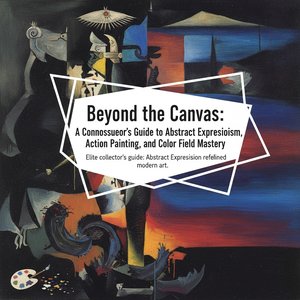
Unveil the visceral power of Abstract Expressionism. Our expert exploration delves into the transformative legacies of Pollock, Rothko, and De Kooning, offering discerning collectors a profound understanding of the New York School’s enduring mastery and historical impact.

 Katso seinällä
 Lähetä
 Jaa
Jaa
 Tarkemmat tiedot
 Opas
Opas

 Lataa kuva
 Samanlaisia kohteita
 Röntgenkuvaus
 Diaesitys
 Tilastot
 Lue lisää









 Lasivaihtoehto on saatavilla vain alle 110 cm kokoisille teoksille


