

Tällä sivulla esitettyä taideteosta suojaa tekijänoikeuslaki, mikä tarkoittaa, ettemme voi laillisesti luoda tai myydä täsmälleen samanlaista jäljennöstä. Tämä suoja toteutetaan kansainvälisten sopimusten, kuten esimerkiksi Berne-konventio ja kansallisilla laeilla, mukaan lukien niillä määritellyt Yhdysvaltain tekijänoikeuslaki – Luku 17. Kaikki oikeudet pidätetään. Luvaton kopiointi tai jäljittely on kielletty.
Tämä menetelmä noudattaa täysin tekijänoikeussäännöksiä, sillä se ei sisällä suojatun taideteoksen kopioimista tai jäljentämistä. Sen sijaan kyseessä on luova uudelleentulkinta – uusi maalaus, joka ammentaa vaikutteita alkuperäisestä, mutta ei ole sen identtinen kopio.
Museolaatuisia giclée- tai kankaitaulun tulosteita nopealla tuotannolla ja joustavilla viimeistelyvaihtoehdoilla. ( Tilaa käsinmaalattu jäljennös Siirry digitaaliseen kuvaan)





























Valitse valmiista mitoistamme sellaiset, jotka vastaavat teoksen alkuperäisiä mittasuhteita.

Kirjoita tarvitsemasi leveys ja korkeus, jotta tuloste sopii kehyskokoon tai seinällesi. Tulostetta voidaan vain leikata, sitä ei voi koskaan tehdä suuremmaksi kuin alkuperäinen kuva, joten eri muotoinen koko aiheuttaa osan kuvasta katoamisen. Lähetämme sinulle digitaalisen mallikuvan hyväksyttäväksi ennen kuin aloitamme tulostuksen. Tällä sivulla näkyvä kuva ei näytä lopullista leikkausta — vain mallikuva näyttää sen.
Maailmanlaajuinen toimitus () 2 viikossa tavallisen 4–5 viikon sijaan. (23 lokakuu)
Syksy
Replikaatin koko
Mark Rothko’s ‘Autumn’ isn't merely a depiction of the season; it’s an ambitious exploration of emotional resonance achieved through the simplest possible means. The painting presents a series of rectangular blocks of color – deep blues suggesting shadowed windows framed by stark white – arranged with deliberate ambiguity that invites prolonged contemplation. It stands as a cornerstone of Abstract Expressionism, transcending easy categorization and embodying Rothko's profound belief in art’s capacity to evoke primal feelings within the viewer.
Rothko wasn’t interested in representing the external world; his artistic vision centered on capturing internal states—melancholy, longing, perhaps even a fragile hope peering out from behind a veil of darkness. Unlike Impressionists who sought to capture fleeting moments of light and color, Rothko aimed for something deeper: an experience that bypassed rational thought and tapped directly into the subconscious.
The technique employed in ‘Autumn’ is deceptively understated. Rothko applied paint in thin washes, layering color upon color with painstaking care to create luminous fields that seem to breathe and vibrate on the canvas. This wasn’t about meticulous brushwork or precise rendering—rather, it was about allowing the colors themselves to communicate their emotional weight. The blues chosen for these ‘windows’ aren't cheerful azure but rather a somber hue, hinting at introspection and reflecting the quietude of twilight.
The white frames surrounding the blocks of color serve as crucial elements in Rothko’s composition. They don’t simply delineate the shapes; they intensify the emotional impact of the blues, creating a sense of depth that draws the viewer inward—a visual echo of the contemplative mood he sought to convey. The overall balance is carefully considered, avoiding symmetry and lending the painting an organic quality reminiscent of natural forms.
Rothko’s intention wasn't to produce aesthetically pleasing objects but rather to provoke a visceral reaction – a feeling of awe, sadness, or even spiritual awakening. This ambition aligns perfectly with the Rothko Chapel in Houston, Texas, where fourteen canvases by Rothko are displayed as part of an immersive experience designed for meditation and reflection.
Born Marcus Yakovlevich Rothkowitz in Latvia in 1903, Rothko’s journey to becoming one of the most influential artists of the 20th century was shaped by displacement and intellectual curiosity. His family's emigration to America in 1913 instilled a sense of otherness that arguably fueled his lifelong exploration of universal themes. Initially experimenting with figurative painting—depicting cityscapes and portraits—Rothko gradually moved away from representation, driven by a desire to express deeper emotional truths.
The Second World War proved pivotal in Rothko’s artistic development. Faced with the anxieties of conflict, he turned to mythological subjects and Surrealism as mediums for conveying trauma and despair. However, it was during this period that he arrived at his signature style—large-scale color field paintings—a stylistic breakthrough that cemented his place among the titans of Abstract Expressionism.
Rothko’s unwavering commitment to his artistic vision extended beyond mere technique; it encompassed a philosophical stance rooted in Jungian psychology. He believed that art should serve as a catalyst for confronting unconscious fears and accessing hidden realms of experience—a conviction that profoundly influenced his oeuvre.
The Rothko Chapel, conceived as a space for spiritual contemplation, embodies this ethos perfectly. Its fourteen canvases—including ‘Autumn’, which occupies a prominent position—are positioned to maximize the impact of ambient light and encourage viewers to engage in quiet introspection. Owning a reproduction of this artwork isn’t simply acquiring a decorative piece; it's inviting a moment of mindful reflection into your home or office – a subtle reminder that art possesses the power to connect us to something transcendent.
Mark Rothko:n "Syksy" on on edelleen tekijänoikeuden suojaama. Tämä tila määrittää, miten teoksen kuvaa saa käyttää uudelleen.
"Syksy" on kokonaisuutena loistava, ja sen luminanssi on Kirkas tasapaino.
Teoksen Mark Rothko:n "Syksy" digitaalisen kuvan voi ostaa sen Digitaalinen kuva -sivulta: korkearesoluutioinen digitaalinen kuvalataus.


1903 - 1970 , Latvia

Explore the profound history and emotional depth of Color Field painting. From Mark Rothko to Barnett Newman, discover how pure color redefined modern art through our expert-led guide for students and collectors alike.

Explore the profound emotional depth of Color Field painting. Discover the history of mid-century abstraction, from Rothko to Newman, and learn how pure color transforms the viewer's experience through our expert art history guide.
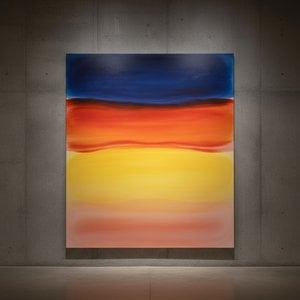
Explore the profound emotional depth of Mark Rothko's abstract expressionism. Discover the history, techniques & lasting impact of this pivotal Color Field painter. Expert insights for collectors and art enthusiasts.

Tutustu abstraktin ekspressionismin 10 mestariteokseen! Jackson Pollock, Mark Rothko ja muut taiteilijat inspiroivat tunteellisuudellaan. Löydä upeita taidemaalauksia kotiisi WahooArt.comista – museolaatuista laatua ja sisustusehdotuksia.
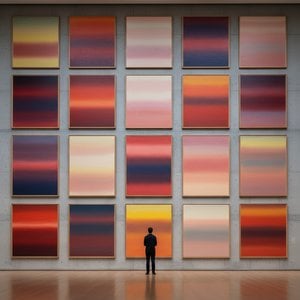
Tutustu Mark Rothkon 25 mestariteokseen ja syvälliseen maailmaan abstraktin ekspressionismin parissa. Löydä tunteelliset väritaulut, taidehistorian helmet ja inspiraatiota kotiisi WahooArtilta. Tutki kokoelma verkossa!

 Katso seinällä
 Lähetä
 Jaa
Jaa
 Tarkemmat tiedot
 Opas
Opas

 Lataa kuva
 Samanlaisia kohteita
 Röntgenkuvaus
 Diaesitys
 Tilastot

 Lue lisää









 Lasivaihtoehto on saatavilla vain alle 110 cm kokoisille teoksille


