

 Acrylic On CanvasWallArtColor Field Expressionism
 1936Modern
 98.0 x 62.0 cm
Tällä sivulla esitettyä taideteosta suojaa tekijänoikeuslaki, mikä tarkoittaa, ettemme voi laillisesti luoda tai myydä täsmälleen samanlaista jäljennöstä. Tämä suoja toteutetaan kansainvälisten sopimusten, kuten esimerkiksi Berne-konventio ja kansallisilla laeilla, mukaan lukien niillä määritellyt Yhdysvaltain tekijänoikeuslaki – Luku 17. Kaikki oikeudet pidätetään. Luvaton kopiointi tai jäljittely on kielletty.
Kunnioittavana ja laillisena vaihtoehtona tarjoamme alkuperäisestä inspiroituneita, yksilöllisiä ja käsinmaalattuja taideteoksia. Taitavat ja ammattimaiset taiteilijamme tutkivat huolellisesti alkuperäisen teoksen tyyliä, tunnelmaa ja taiteellista ydintä luodakseen uuden, ainutlaatuisen teoksen, joka herättää saman tunteen – säilyttäen samalla oman itsenäisen alkuperäisyytensä.
Tämä menetelmä noudattaa täysin tekijänoikeussäännöksiä, sillä se ei sisällä suojatun taideteoksen kopioimista tai jäljentämistä. Sen sijaan kyseessä on luova uudelleentulkinta – uusi maalaus, joka ammentaa vaikutteita alkuperäisestä, mutta ei ole sen identtinen kopio.
Käsinmaalattu öljyväri kankaalle haluamassasi koossa ja kehyksissä, taiteilijoidemme valmistamana tilauksesta. ( Vaihda tulosteeseen Siirry digitaaliseen kuvaan)





























Valitse valmiista mitoistamme sellaiset, jotka vastaavat teoksen alkuperäisiä mittasuhteita.

Kirjoita tarvitsemasi leveys ja korkeus, jotta teos sopii kehyksiisi tai seinällesi. Koska kyseessä on käsinmaalattu teos, taiteilija voi maalata hieman enemmän kuvan ympärille tai rajata sitä hieman, jos haluat eri muotoisen koon — valinta on sinun. Lähetämme sinulle digitaalisen mallikuvan hyväksyttäväksi ennen kuin maalaus alkaa. Tällä sivulla näkyvä kuva ei vastaa lopullista tulosta — vain mallikuva näyttää sen.
Maailmanlaajuinen toimitus () 3–4 viikossa tavallisen 5 viikon sijaan. (28 lokakuu). Laadusta ei tingitä.
Portrait
Replikaatin koko
Mark Rothko's 1936 “Portrait” is not merely a depiction of a woman brushing her hair; it’s a deeply resonant meditation on the human condition, rendered with the artist’s signature layering technique and imbued with the anxieties of his formative years. Painted during a period of intense personal upheaval – marked by his family's immigration from Latvia to Portland and the early loss of his father – the work speaks volumes about themes of displacement, grief, and the search for solace within the face of existential questions. The painting’s quiet intimacy is immediately arresting; the woman, seated in a simple chair, becomes an emblem of vulnerability and introspection.
Rothko's masterful application of paint is central to the impact of “Portrait.” He employs a technique he would later refine into his signature ‘color field’ style – broad, luminous blocks of color layered upon each other to create an almost three-dimensional effect. Notice how the blue isn’t a flat hue but rather built up from countless thin washes, creating subtle variations in tone and texture. This layering generates a sense of depth and movement, drawing the viewer into the painting's emotional space. The brushstrokes are deliberately obscured, contributing to the overall feeling of quiet contemplation. This approach was revolutionary for its time, anticipating the development of Color Field painting that would dominate the art scene in the 1940s and beyond.
Born in Daugavpils, Latvia (then part of the Russian Empire) in 1903, Rothko’s early life was shaped by a profound sense of displacement – a consequence of his family's Jewish heritage and the turbulent political climate of Eastern Europe. This experience profoundly influenced his artistic vision. “Portrait” can be interpreted as an exploration of this personal history, reflecting the anxieties and uncertainties he carried with him throughout his life. The red walls, reminiscent of the brick buildings in Portland, Oregon, where the family settled, subtly connect the painting to Rothko’s American experience while simultaneously alluding to the fiery passions and potential dangers that fueled his artistic concerns. The year 1936 was a pivotal moment for European artists, grappling with the rise of fascism and the looming threat of war – themes that would continue to inform Rothko's work.
"Portrait" is more than just a beautiful painting; it’s an emotionally charged encounter. The muted colors, combined with the subject’s contemplative pose, evoke a sense of quiet sadness and profound introspection. It invites viewers to confront their own anxieties about mortality, loss, and the search for meaning in a chaotic world. Rothko's influence on subsequent generations of artists is undeniable, and “Portrait” stands as a testament to his pioneering approach to color and form – a work that continues to resonate with audiences today. This hand-painted reproduction captures not only the visual beauty of the original but also the powerful emotional core that defines Rothko’s enduring legacy.
Mark Rothko:n "Portrait" välittää Melancholic tunnelman.
Teoksen "Portrait" värikylläisyys on Clear Color Presence ja värin voimakkuus on Balanced.
Teoksen Mark Rothko:n "Portrait" teemoihin kuuluvat woman, hairbrush, red walls, blue dress, color palette, interior scene, emotional depth. Yhdessä ne tiivistävät teoksen aiheen.


1903 - 1970 , Latvia

Tutustu abstraktin ekspressionismin 10 mestariteokseen! Jackson Pollock, Mark Rothko ja muut taiteilijat inspiroivat tunteellisuudellaan. Löydä upeita taidemaalauksia kotiisi WahooArt.comista – museolaatuista laatua ja sisustusehdotuksia.

Transform your home with soulful blue art. From serene Monet impressions to modern textured sculptures, discover curated masterpieces designed to inspire calm. Explore expert art consultations and bespoke hand-painted reproductions to create your personal sanctuary.

Tutustu Wassily Kandinskin 25 vaikuttavinta teosta! Uppoudu abstraktin taiteen maailmaan, värien symboliikkaan ja modernin ekspressionismin historiaan. Löydä inspiraatiota kodin sisustukseen WahooArt.com:ista – laadukkaat taideprintit ja reproduktiot.
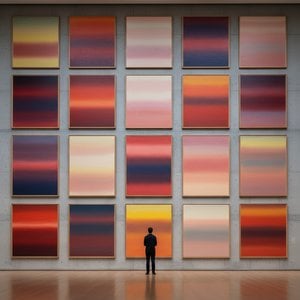
Tutustu Mark Rothkon 25 mestariteokseen ja syvälliseen maailmaan abstraktin ekspressionismin parissa. Löydä tunteelliset väritaulut, taidehistorian helmet ja inspiraatiota kotiisi WahooArtilta. Tutki kokoelma verkossa!

Uppoudu 10 tunnetuimman taideteoksen maailmaan, joita hallitsee liukuväri! Tutustu impressionismin ja postimpressionismin mestareihin sekä sinisen sävyjen merkitykseen. Löydä inspiraatiota kotiisi WahooArt.com:ista – laadukkaat taidevedokset ja kuratoidut sisustusratkaisut odottavat! Tutustu kokoelm

 Esikatselu
 Jaa teos
 Jaa
Jaa
 Tiedot
 Opas
Opas

 Lataa kuva
 Samanlaisia kohteita
 Röntgenkuvaus
 Diaesitys
 Tilastot
 Lue lisää









 Lasivaihtoehto on saatavilla vain alle 110 cm kokoisille teoksille


