

Tällä sivulla esitettyä taideteosta suojaa tekijänoikeuslaki, mikä tarkoittaa, ettemme voi laillisesti luoda tai myydä täsmälleen samanlaista jäljennöstä. Tämä suoja toteutetaan kansainvälisten sopimusten, kuten esimerkiksi Berne-konventio ja kansallisilla laeilla, mukaan lukien niillä määritellyt Yhdysvaltain tekijänoikeuslaki – Luku 17. Kaikki oikeudet pidätetään. Luvaton kopiointi tai jäljittely on kielletty.
Kunnioittavana ja laillisena vaihtoehtona tarjoamme alkuperäisestä inspiroituneita, yksilöllisiä ja käsinmaalattuja taideteoksia. Taitavat ja ammattimaiset taiteilijamme tutkivat huolellisesti alkuperäisen teoksen tyyliä, tunnelmaa ja taiteellista ydintä luodakseen uuden, ainutlaatuisen teoksen, joka herättää saman tunteen – säilyttäen samalla oman itsenäisen alkuperäisyytensä.
Tämä menetelmä noudattaa täysin tekijänoikeussäännöksiä, sillä se ei sisällä suojatun taideteoksen kopioimista tai jäljentämistä. Sen sijaan kyseessä on luova uudelleentulkinta – uusi maalaus, joka ammentaa vaikutteita alkuperäisestä, mutta ei ole sen identtinen kopio.
Käsinmaalattu öljyväri kankaalle haluamassasi koossa ja kehyksissä, taiteilijoidemme valmistamana tilauksesta. ( Vaihda tulosteeseen Siirry digitaaliseen kuvaan)





























Valitse valmiista mitoistamme sellaiset, jotka vastaavat teoksen alkuperäisiä mittasuhteita.

Kirjoita tarvitsemasi leveys ja korkeus, jotta teos sopii kehyskehyksiisi tai seinällesi. Koska kyseessä on käsinmaalattu teos, taiteilija voi maalata hieman enemmän kuvan ympärille tai rajata sitä hieman, jos haluat eri muotoisen koon — valinta on sinun. Lähetämme sinulle digitaalisen mallikuvan hyväksyttäväksi ennen kuin maalaus alkaa. Tällä sivulla näkyvä kuva ei vastaa lopullista tulosta — vain mallikuva näyttää sen.
Maailmanlaajuinen toimitus () 3–4 viikossa tavallisen 5 viikon sijaan. (25 lokakuu). Laadusta ei tingitä.
Conversation
Replikaatin koko
In the quietude of Mark Rothko’s “Conversation,” we find ourselves drawn into a tableau that feels both profoundly intimate and hauntingly distant. At first glance, the painting presents a seemingly simple scene: a man and a woman seated at a table, their focus anchored by the silent movement of a game board, perhaps chess. There is a palpable sense of shared concentration, a moment where the outside world recedes, leaving only the rhythmic pulse of their interaction. Yet, Rothko subtly complicates this domestic stillness with the presence of a third figure lurking in the background—a spectral observer whose role remains ambiguous, suggesting the unseen layers of communication and the complexities that exist within every human relationship.
The atmosphere is heavy with a sense of contemplation. As one gazes upon the figures, the painting transcends its literal subject matter to become an exploration of the unspoken. The clock hanging on the wall serves as a poignant reminder of the passage of time, anchoring this fleeting interaction within the broader, inexorable flow of existence. For the collector or the designer, this piece offers more than mere decoration; it provides a window into a psychological landscape where every shadow and every stillness tells a story of connection and solitude.
While many associate Rothko with his later, monumental color field works, “Conversation” showcases a masterful command of a more restrained, monochromatic palette. The composition is rendered in evocative shades of black, white, and gray, creating a silvered, cinematic quality that strips away the distractions of vibrant color to reveal the raw emotional bones of the scene. This reductive approach is a hallmark of his ability to prioritize emotional resonance over representational accuracy.
The technique employed here is nothing short of meticulous. Rothko utilized a layering process of thin, translucent washes of pigment, building depth through successive applications. This method allows light to appear as if it is emanating from within the canvas itself, creating a shimmering, ethereal luminosity. The edges where tones meet are not sharp but bleed into one another with a soft, atmospheric blur, mirroring the way memories or emotions often lack clear boundaries. For those seeking to integrate fine art into a sophisticated interior, this interplay of light and shadow offers a versatile elegance that complements both modern minimalist spaces and more traditional, moody environments.
Created during the mid-1960s, “Conversation” emerged from a period of profound global tension. As the world grappled with the anxieties of the Cold War era, Rothko’s work provided a sanctuary for introspection. He rejected the loud, commercial energy of Pop Art and the dreamlike distortions of Surrealism, choosing instead to confront the fundamental truths of the human condition: tragedy, ecstasy, and doom. The chessboard in this piece acts as a powerful visual metaphor—a stage for strategic decision-making and the quiet battles of the mind that we all face.
To possess a reproduction of such a work is to invite a sense of profound peace and intellectual depth into a room. It is an invitation to pause, to reflect, and to engage in one's own silent dialogue with the art. Whether viewed as a study in mid-century modernism or as a deeply spiritual encounter, “Conversation” remains a timeless testament to the power of simplicity to convey the infinite complexities of the human soul.
Teoksen Mark Rothko:n "Conversation" värikylläisyys on Balanced Soft.
Mark Rothko:n "Conversation" -teoksen väri-identiteetti: Earthy paletti, jota hallitsee Quinacridone Magenta (#826240).
Teoksen Mark Rothko:n "Conversation" tunnelmaa kuvataan olevan Elegant. Tämä luokittelu voi auttaa löytämään teokselle sopivan ympäristön.


1903 - 1970 , Latvia
Tutustu 10 kuuluisimpaan valkoiseen maalauteen – Monet'sta Rothkoon. Inspiroivat tarinat, taidehistoriaa ja tekniikoita. Löydä täydellinen sisustustaulu WahooArt.com:ista! Tutki kokoelma verkossa.

Tutustu Wassily Kandinskin 25 vaikuttavinta teosta! Uppoudu abstraktin taiteen maailmaan, värien symboliikkaan ja modernin ekspressionismin historiaan. Löydä inspiraatiota kodin sisustukseen WahooArt.com:ista – laadukkaat taideprintit ja reproduktiot.

Tutustu Mark Rothkon 25 mestariteokseen ja syvälliseen maailmaan abstraktin ekspressionismin parissa. Löydä tunteelliset väritaulut, taidehistorian helmet ja inspiraatiota kotiisi WahooArtilta. Tutki kokoelma verkossa!
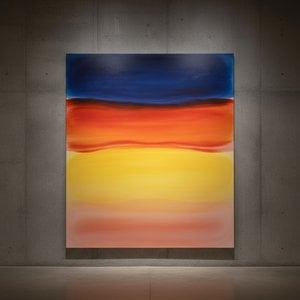
Explore the profound emotional depth of Mark Rothko's abstract expressionism. Discover the history, techniques & lasting impact of this pivotal Color Field painter. Expert insights for collectors and art enthusiasts.

Tutustu abstraktin ekspressionismin 10 mestariteokseen! Jackson Pollock, Mark Rothko ja muut taiteilijat inspiroivat tunteellisuudellaan. Löydä upeita taidemaalauksia kotiisi WahooArt.comista – museolaatuista laatua ja sisustusehdotuksia.

 Katso seinällä
 Lähetä
 Jaa
Jaa
 Tarkemmat tiedot
 Opas
Opas

 Lataa kuva
 Samanlaisia kohteita
 Röntgenkuvaus
 Diaesitys
 Tilastot

 Lue lisää









 Lasivaihtoehto on saatavilla vain alle 110 cm kokoisille teoksille


