

Tällä sivulla esitettyä taideteosta suojaa tekijänoikeuslaki, mikä tarkoittaa, ettemme voi laillisesti luoda tai myydä täsmälleen samanlaista jäljennöstä. Tämä suoja toteutetaan kansainvälisten sopimusten, kuten esimerkiksi Berne-konventio ja kansallisilla laeilla, mukaan lukien niillä määritellyt Yhdysvaltain tekijänoikeuslaki – Luku 17. Kaikki oikeudet pidätetään. Luvaton kopiointi tai jäljittely on kielletty.
Kunnioittavana ja laillisena vaihtoehtona tarjoamme alkuperäisestä inspiroituneita, yksilöllisiä ja käsinmaalattuja taideteoksia. Taitavat ja ammattimaiset taiteilijamme tutkivat huolellisesti alkuperäisen teoksen tyyliä, tunnelmaa ja taiteellista ydintä luodakseen uuden, ainutlaatuisen teoksen, joka herättää saman tunteen – säilyttäen samalla oman itsenäisen alkuperäisyytensä.
Tämä menetelmä noudattaa täysin tekijänoikeussäännöksiä, sillä se ei sisällä suojatun taideteoksen kopioimista tai jäljentämistä. Sen sijaan kyseessä on luova uudelleentulkinta – uusi maalaus, joka ammentaa vaikutteita alkuperäisestä, mutta ei ole sen identtinen kopio.
Käsinmaalattu öljyväri kankaalle haluamassasi koossa ja kehyksissä, taiteilijoidemme valmistamana tilauksesta. ( Vaihda tulosteeseen Siirry digitaaliseen kuvaan)





























Valitse valmiista mitoistamme sellaiset, jotka vastaavat teoksen alkuperäisiä mittasuhteita.

Kirjoita tarvitsemasi leveys ja korkeus, jotta teos sopii kehyskehyksiisi tai seinällesi. Koska kyseessä on käsinmaalattu teos, taiteilija voi maalata hieman enemmän kuvan ympärille tai rajata sitä hieman, jos haluat eri muotoisen koon — valinta on sinun. Lähetämme sinulle digitaalisen mallikuvan hyväksyttäväksi ennen kuin maalaus alkaa. Tällä sivulla näkyvä kuva ei vastaa lopullista tulosta — vain mallikuva näyttää sen.
Maailmanlaajuinen toimitus () 3–4 viikossa tavallisen 5 viikon sijaan. (23 lokakuu). Laadusta ei tingitä.
Antigone
Replikaatin koko
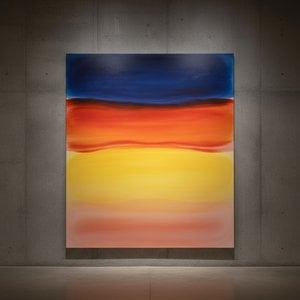
Mark Rothko's “Antigone,” a monumental work from 1960, isn’t merely a painting; it’s an immersive experience. Born in Latvia and shaped by the anxieties of his early life – a childhood steeped in displacement and loss – Rothko sought to distill profound human emotions into their purest form: color. This piece, rendered in oil on canvas, immediately draws the viewer into a space of quiet contemplation, dominated by vast, rectangular blocks of pale gray and ivory white. These aren’t simply colors; they are vessels for feeling, radiating an almost palpable sense of sorrow and unresolved conflict. The composition is deceptively simple – a series of nude figures, both seated and standing, arranged in a horizontal frieze – yet within this restraint lies a complex narrative, echoing the tragic myth it derives its name from.
Rothko deliberately avoided explicit representation, opting instead for an abstract approach that allowed viewers to project their own interpretations onto the canvas. “Antigone” is deeply rooted in Sophocles’ tragedy, a story of familial loyalty versus state authority. The painting captures the essence of Antigone's struggle – her refusal to obey Creon’s unjust decree and her willingness to sacrifice herself for what she believes is right. However, Rothko transcends mere illustration; he elevates the myth to a universal meditation on morality, duty, and the human condition. The stark simplicity of the forms contrasts sharply with the profound emotional weight conveyed through color, creating a dialogue between ancient narrative and modern expressionism.
Rothko’s work is often associated with Color Field painting, a movement that emphasized large areas of flat, unmodulated color to evoke an emotional response in the viewer. This approach was influenced by his time at the Rothko Chapel in Houston, Texas, where he created fourteen monumental paintings designed to create a contemplative space.As documented by art critic Arthur Danto, who wrote extensively about Rothko’s work, “Antigone” reveals the artist's deliberate process. Rothko didn’t begin with a preconceived image; instead, he layered thin washes of paint, allowing them to bleed and interact, creating subtle shifts in color and texture. The surface is not smooth or polished but retains traces of this physical act of creation – scrubbed areas, transparent layers, and areas of dense opacity—a testament to the artist’s engagement with the medium. This visible process underscores the painting's emotional intensity; it feels as though we are witnessing a raw, unfiltered expression of grief and defiance.
The Rothko Chapel’s influence is particularly evident in “Antigone,” where the use of color and scale aims to create a similarly immersive experience for the viewer. The chapel's fourteen paintings, including "Antigone," are designed to evoke contemplation and emotional resonance, reflecting Rothko’s belief that art should be capable of communicating profound human experiences without resorting to representational imagery.A hand-painted reproduction of “Antigone” offers a unique opportunity to bring this powerful work into your home or office. WahooArt meticulously recreates Rothko's nuanced color palette and textural layering, capturing the essence of his artistic vision with exceptional detail. More than just a decorative piece, this reproduction serves as a constant reminder of the complexities of human morality, the weight of duty, and the enduring power of art to evoke profound emotion. Consider it not merely a painting, but an invitation to contemplate the timeless themes explored within its luminous depths.
Teoksen Mark Rothko:n "Antigone" tunnelmaa kuvataan olevan Calm. Tämä luokittelu voi auttaa löytämään teokselle sopivan ympäristön.
"Antigone" edustaa taiteilijan Mark Rothko tuotantokautta Late Period."
Mark Rothko:n "Antigone"-teoksen reproduktio on suositeltava Statement. Tämä suositus perustuu teoksen aiheeseen, tunnelmaan ja väreihin.


1903 - 1970 , Latvia

Explore the profound emotional depth of Color Field painting. Our expert guide delves into the post-war origins of Abstract Expressionism, analyzing masterpieces by Rothko and Newman. Discover museum-grade, hand-painted oil reproductions that bring art history to your walls.

Tutustu abstraktin ekspressionismin 10 mestariteokseen! Jackson Pollock, Mark Rothko ja muut taiteilijat inspiroivat tunteellisuudellaan. Löydä upeita taidemaalauksia kotiisi WahooArt.comista – museolaatuista laatua ja sisustusehdotuksia.

Explore the profound emotional depth of Color Field painting. Discover the history of mid-century abstraction, from Rothko to Newman, and learn how pure color transforms the viewer's experience through our expert art history guide.

Tutustu Mark Rothkon 25 mestariteokseen ja syvälliseen maailmaan abstraktin ekspressionismin parissa. Löydä tunteelliset väritaulut, taidehistorian helmet ja inspiraatiota kotiisi WahooArtilta. Tutki kokoelma verkossa!
Explore the profound emotional depth of Mark Rothko's abstract expressionism. Discover the history, techniques & lasting impact of this pivotal Color Field painter. Expert insights for collectors and art enthusiasts.

 Katso seinällä
 Lähetä
 Jaa
Jaa
 Tarkemmat tiedot
 Opas
Opas

 Lataa kuva
 Samanlaisia kohteita
 Röntgenkuvaus
 Diaesitys
 Tilastot
 Lue lisää









 Lasivaihtoehto on saatavilla vain alle 110 cm kokoisille teoksille


