
Katso seinällä Esikatsele AR-tilassa Vaihda tulosteeseen Siirry digitaaliseen kuvaan Lähetä
Tarkemmat tiedot Opas Lisää suosikkeihin Lataa kuva Samanlaisia kohteita Röntgenkuvaus Diaesitys Tilastot

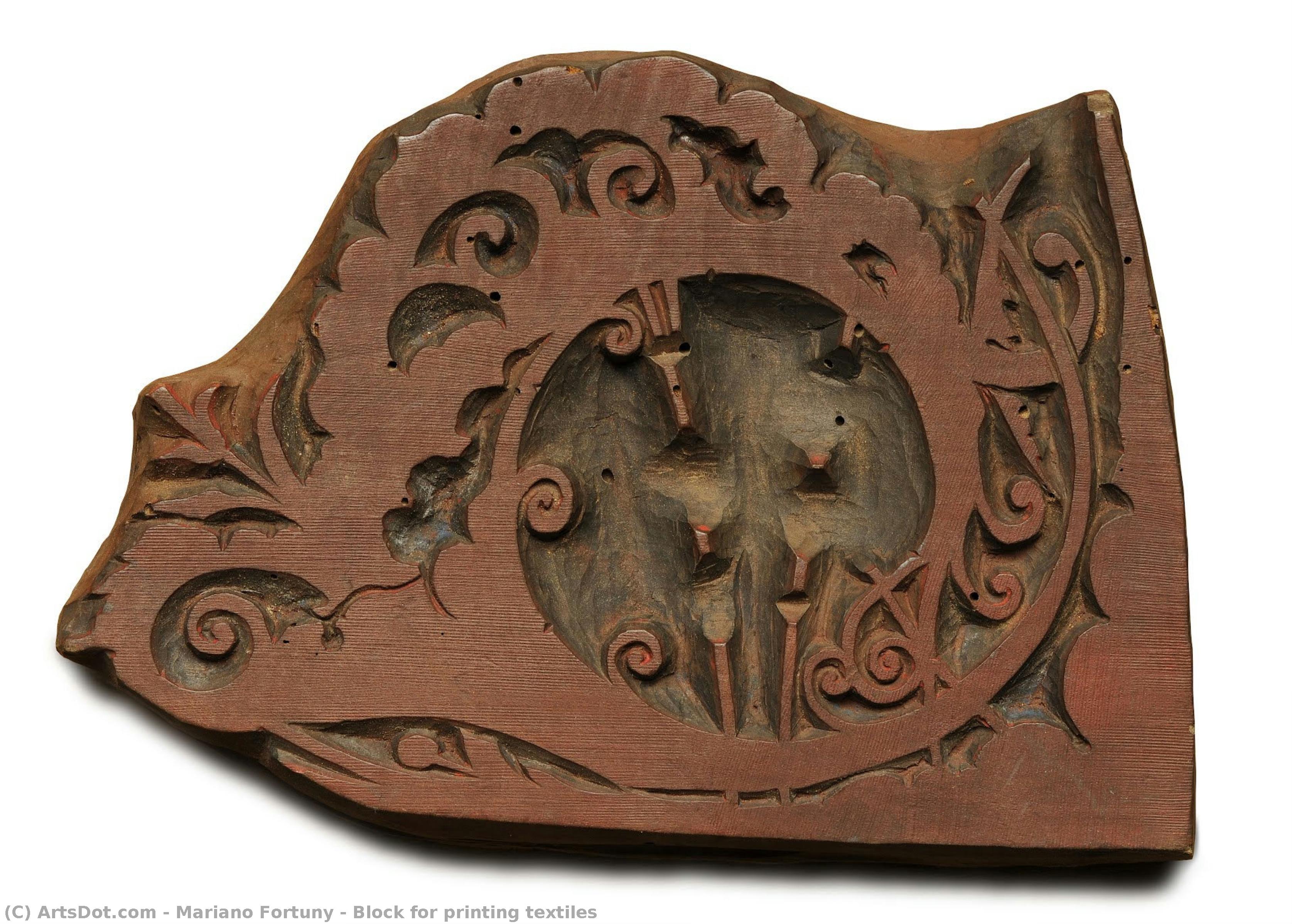
Block for printing textiles

Admire Mariano Fortuny’s ‘Block for Printing Textiles’ – a stunning 1905 wooden block showcasing intricate carvings & design. Hand-painted reproduction available.

"fi_meta_description": "Mariano Fortuny (1871-1949) oli espanjalais-italiailainen taiteilija ja muotisuunnittelija, tunnettu innovatiivisista tekstiileistään, historiallisista inspiraatioistaan sekä uraauurtavasta teatterin valaistuksestaan. Tutustu hänen tyyliinsä ja perintöönsä!"

Käsinmaalattu öljyvärinen jäljennös

Käsinmaalattu öljyväri kankaalle haluamassasi koossa ja kehyksissä, taiteilijoidemme valmistamana tilauksesta. ( Vaihda tulosteeseen Siirry digitaaliseen kuvaan)

P118B $10
P118H $10
P118W $10
P438Z $10
P508JH $12
P508YH $12
P805H $10
P805Z $10
P919BZ $10
P919G $10
P919XJ $10
P959ZH $10
P968JZ $12
W106C $8
W218G $10
W218JH $8
W218Y $10
W307PJ $10
W316G $10
W316PJ $8
W316Y $10
W398PJ $8
W4111J $10
W500HY $15
W500JH $15
W692G $12
W849H $8
W940BG $15
W953PJ $8

Vakiokoko
mittatilaustyö
CM
INCH

Valitse valmiista mitoistamme sellaiset, jotka vastaavat teoksen alkuperäisiä mittasuhteita.

leveys
korkeus

Voit syöttää omat mitat sopimaan tiettyyn kehykseen tai tilaan. Jos valitsemasi koko ei vastaa alkuperäisen kuvan mittasuhteita, rajaamme taideteoksen tai jatkamme maalausta käsin maalatuilla elementeillä. Digitaalinen esikatselu lähetetään hyväksyttäväksi ennen tuotannon aloittamista.
Huomioithan, että näytöllä oleva esikatselu ei vastaa todellista rajausta tai jatkamista. Vain digitaalinen mallikuva näyttää lopullisen sommittelun tarkasti.
Vaikka mittatilaustyöt ovat mahdollisia, suosittelemme valitsemaan mitan ennalta määritetystä listasta alkuperäisten mittasuhteiden säilyttämiseksi.

Esimerkkejä muokattavista asioista: Vaihda kasvot asiakkaan omaan valokuvaan; Lisää lemmikki (esim. korvaa kissa koiralla); Lisää taustalle piilotettu viesti; Muuta taustan maisemaa tai elementtejä.
Tilauksen jälkeen WahooArt.com -tiimi lähettää asiakkaalle sähköpostitse ohjeet ja esikatselukuvan.

Maailmanlaajuinen toimitus () 3–4 viikossa tavallisen 5 viikon sijaan. (25 syyskuu). Laadusta ei tingitä.

why_choose_icon
Ilmainen pikatoimitus ympäri maailman
why_choose_icon
Korkealaatuinen pellavakangas
why_choose_icon
Kattava kuljetusvakuutus
why_choose_icon
Tulliveron palautustakuu
why_choose_icon
Takuu täydellisestä värien vastaavuudesta
why_choose_icon
100 päivän palautusoikeus valmistusvirhetapauksissa
why_choose_icon
100% rahat takaisin -takuu
why_choose_icon
Määräalennus saatavilla

Kokonaishinta

$ 272

reproduction

Block for printing textiles

Reproduktiotapa

Replikaatin koko

-

Kokonaishinta

$ 272

Pikaista tietoa

  • Title: Block for printing textiles
  • Subject or theme: Textile art reproduction
  • Medium: Woodblock print
  • Year: 1905
  • Location: WahooArt.com
  • Artist: Mariano Fortuny

Taidevisakysely

Jokaisessa kysymyksessä on vain yksi oikea vastaus.

Kysymys 1:
What is the primary subject depicted in Mariano Fortuny’s ‘Block for printing textiles’?
Kysymys 2:
In what year was Mariano Fortuny’s ‘Block for printing textiles’ created?
Kysymys 3:
The carving on the wooden block features what type of design?
Kysymys 4:
Mariano Fortuny was primarily known for his work in which field?
Kysymys 5:
The image shows a close-up of a wooden block. What does this suggest about the artwork's creation process?

A Whisper of Geometry: Unveiling Mariano Fortuny’s ‘Block for Printing Textiles’

Mariano Fortuny y Madrazo, a name synonymous with the opulent elegance of 19th-century Spain and beyond, wasn't merely a painter; he was a revolutionary designer, a master craftsman, and an inventor who fundamentally reshaped the world of theatrical lighting and textile production. His ‘Block for Printing Textiles’ (1905), now meticulously reproduced by WahooArt.com, offers a rare glimpse into this multifaceted genius – a tangible embodiment of his fascination with geometry, Celtic motifs, and the interplay of light and shadow. This isn't simply a decorative block; it’s a concentrated distillation of Fortuny’s artistic vision, a testament to his meticulous hand, and a window into a period of intense experimentation and innovation.

Block for Printing Textiles by Mariano Fortuny

The Language of Form: Geometry and Celtic Echoes

At first glance, the block’s surface appears deceptively simple – a dense arrangement of swirling lines and geometric shapes rendered in shades of reddish-brown. However, closer inspection reveals a complex tapestry of interlocking patterns, echoing the intricate designs found in Celtic knotwork. Fortuny was deeply influenced by Orientalist art, particularly the decorative motifs of Morocco, but he also possessed a profound appreciation for ancient European traditions, evident in this subtle homage to the Celtic aesthetic. The precise execution suggests a deliberate attempt to capture not just visual form, but also the inherent dynamism and interconnectedness of these patterns – a concept central to Fortuny’s broader artistic philosophy.

A Legacy Forged in Light: Technique and Innovation

The creation of this block represents a pivotal moment in Fortuny's career. He was actively experimenting with new techniques for creating theatrical lighting, particularly his ‘cyclorama dome,’ a revolutionary device that utilized reflected light to create seamless transitions between scenes in grand opera houses. This block is believed to be a prototype or working model for these larger-scale installations – a miniature representation of the complex systems he devised to manipulate and control light. The meticulous carving demonstrates an extraordinary level of skill, requiring not only artistic vision but also a deep understanding of materials and their properties. Fortuny’s inventive spirit extended beyond lighting; his patents reveal a relentless pursuit of innovation in various fields, including textiles, ceramics, and even furniture design.

Beyond Decoration: Symbolism and the Fortuny Aesthetic

While undeniably beautiful, ‘Block for Printing Textiles’ transcends mere decorative function. It embodies Fortuny's broader aesthetic – one characterized by a harmonious blend of geometry, asymmetry, and a subtle sense of mystery. The swirling patterns evoke movement and dynamism, while the restrained color palette creates an atmosphere of sophisticated elegance. Fortuny sought to capture not just the appearance of reality but also its underlying essence—a pursuit reflected in his meticulous attention to detail and his innovative use of light and shadow. This block is a tangible manifestation of that quest – a miniature world brimming with artistic intention.

Collecting a Masterpiece: Reproduction and Preservation

WahooArt.com offers high-quality, hand-painted reproductions of this extraordinary work by Mariano Fortuny. Each reproduction meticulously recreates the original block’s intricate details, capturing its unique texture and color palette. Choosing a reproduction allows you to bring this captivating piece into your home or office, celebrating Fortuny's legacy while preserving the integrity of his artistic vision. Explore our selection today and experience the enduring beauty of ‘Block for Printing Textiles.’


Taiteilijan elämäkerta

Early Life and Inspiration

Mariano Fortuny, a name synonymous with theatrical innovation and exquisite textiles, was born in Granada, Spain, on May 11, 1871. His early life was marked by profound loss – his father, Mariano Fortuny y Marsal, a respected genre painter, tragically died when the young boy was just three years old. This event spurred his family’s relocation to Paris, France, where his mother, Cecilia de Madrazo, exposed him to the world of textiles and fabrics, laying the foundation for his future artistic endeavors. From a remarkably young age, Fortuny demonstrated an extraordinary talent across various disciplines: painting, photography, sculpting, architecture, etching, and even theatrical stage lighting design. His innate curiosity and inventive spirit quickly became apparent, leading to a series of groundbreaking inventions that would revolutionize the world of theatre.

Artistic Talents and Revolutionary Inventions

Fortuny’s artistic journey began with a clear display of skill in multiple mediums. He honed his painting abilities early on, absorbing influences from the burgeoning artistic movements of the time. However, it was his inventive mind that truly set him apart. Between 1901 and 1934, he patented over twenty remarkable inventions – a testament to his relentless pursuit of innovation. Perhaps his most significant contribution was the “fortuny cyclorama dome,” a quarter-dome structure crafted from plaster or cloth designed to create seamless transitions between scenes in theatrical productions. This ingenious device utilized indirect lighting, dramatically altering colors and intensities, and fundamentally changing how stage sets were illuminated. Fortuny’s meticulous treatise, "Eclairage Scenique" (1904), meticulously documented his discoveries regarding reflecting light – a technique that allowed for unprecedented control over the visual experience of a performance. His work wasn't limited to lighting; he also developed innovative methods for creating durable and vibrant dyes, further solidifying his reputation as a true visionary.

Collaborations and Recognition

Fortuny’s unique approach quickly garnered widespread recognition in the 1920s. He forged significant collaborations with prominent figures, including the celebrated German composer Richard Wagner, whose operas deeply inspired Fortuny's artistic interpretations of stage design. His work at La Scala opera house in Milan was particularly noteworthy; he adapted his dome for the theater’s vast space and even invented a suction fan to maintain its taut structure – a remarkable feat of engineering for the time. Beyond music, Fortuny’s influence extended to fashion. He worked closely with the influential designer Elsie McNeill Lee, who became his sole distributor in America, introducing his luxurious fabrics and designs to a global audience. His creations, particularly the iconic “Delphos” gown – a flowing, pleated silk garment – became coveted symbols of elegance and sophistication, worn by celebrated figures like Eleonora Duse, Isadora Duncan, and Oona Chaplin.

Legacy and Enduring Influence

Mariano Fortuny passed away on May 3, 1949, in Venice, Italy, leaving behind a legacy that continues to resonate today. His work profoundly influenced the French novelist Marcel Proust, who famously described Fortuny’s fabrics as “the tempting phantom of that invisible Venice.” His inventive spirit and artistic vision remain deeply embedded within the world of theatrical design, inspiring generations of stage technicians and designers. The Museo Mariano Fortuny y Madrazo in Venice serves as a testament to his life's work, showcasing his paintings, textiles, and inventions – offering visitors a unique glimpse into the mind of this extraordinary polymath. Fortuny’s story is one of artistic brilliance, technological innovation, and an unwavering dedication to creating immersive and unforgettable experiences for audiences around the world.
Mariano Fortuny

Mariano Fortuny

1871 - 1949 , Espanja

Tietoa taiteilijasta

  • Artistic Movement Or Style: Orientalismi taide
  • Artists Or Movements Influenced By This Artist: ['Marcel Proust']
  • Artists Who Influenced This Artist: ['Richard Wagner']
  • Date Of Birth: 11 toukokuuta 1871
  • Date Of Death: 3 toukokuuta 1949
  • Full Name: Mariano Fortuny y Marsal
  • Nationality: Espanjalainen
  • Notable Artworks:
    • Teagown
    • Virkailija
  • Place Of Birth: Granada, Espanja
Tutustu teoksiin, jotka on järjestetty aiheiden, tyylien ja ominaisuuksien mukaan.



































