Katso seinällä Esikatsele AR-tilassa Vaihda tulosteeseen Siirry digitaaliseen kuvaan Lähetä
Tarkemmat tiedot Opas Lisää suosikkeihin Lataa kuva Samanlaisia kohteita Röntgenkuvaus Diaesitys Tilastot

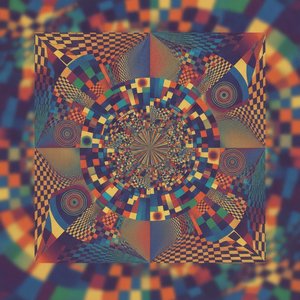
Rotorelief n°11 - Total Eclipse / Rotorelief n°12 - White spiral

Marcel Duchamp was a revolutionary artist who questioned the conventions of art, prioritizing intellectual exploration over traditional representation. Initially trained in Cubism and Impressionism, he embraced Dada's anti-establishment ethos, fundamentally reshaping artistic discourse.

Marcel Duchamp: Filosofinen vallankumouksen tuoja, jonka Dadaismi ja kubismi muuttivat taidehistoriaa. Tutustu ikonisiin teoksiin kuten Kestävyyden Kuutio ja Siirtymä neitoon morsiameksi.

Käsinmaalattu öljyvärinen jäljennös

Käsinmaalattu öljyväri kankaalle haluamassasi koossa ja kehyksissä, taiteilijoidemme valmistamana tilauksesta. ( Vaihda tulosteeseen Siirry digitaaliseen kuvaan)

P118B $10
P118H $10
P118W $10
P438Z $10
P508JH $12
P508YH $12
P805H $10
P805Z $10
P919BZ $10
P919G $10
P919XJ $10
P959ZH $10
P968JZ $12
W106C $8
W218G $10
W218JH $8
W218Y $10
W307PJ $10
W316G $10
W316PJ $8
W316Y $10
W398PJ $8
W4111J $10
W500HY $15
W500JH $15
W692G $12
W849H $8
W940BG $15
W953PJ $8

Vakiokoko
mittatilaustyö
CM
INCH

Valitse valmiista mitoistamme sellaiset, jotka vastaavat teoksen alkuperäisiä mittasuhteita.

leveys
korkeus

Voit syöttää omat mitat sopimaan tiettyyn kehykseen tai tilaan. Jos valitsemasi koko ei vastaa alkuperäisen kuvan mittasuhteita, rajaamme taideteoksen tai jatkamme maalausta käsin maalatuilla elementeillä. Digitaalinen esikatselu lähetetään hyväksyttäväksi ennen tuotannon aloittamista.
Huomioithan, että näytöllä oleva esikatselu ei vastaa todellista rajausta tai jatkamista. Vain digitaalinen mallikuva näyttää lopullisen sommittelun tarkasti.
Vaikka mittatilaustyöt ovat mahdollisia, suosittelemme valitsemaan mitan ennalta määritetystä listasta alkuperäisten mittasuhteiden säilyttämiseksi.

Esimerkkejä muokattavista asioista: Vaihda kasvot asiakkaan omaan valokuvaan; Lisää lemmikki (esim. korvaa kissa koiralla); Lisää taustalle piilotettu viesti; Muuta taustan maisemaa tai elementtejä.
Tilauksen jälkeen WahooArt.com -tiimi lähettää asiakkaalle sähköpostitse ohjeet ja esikatselukuvan.

Maailmanlaajuinen toimitus () 3–4 viikossa tavallisen 5 viikon sijaan. (23 syyskuu). Laadusta ei tingitä.

why_choose_icon
Ilmainen pikatoimitus ympäri maailman
why_choose_icon
Korkealaatuinen pellavakangas
why_choose_icon
Kattava kuljetusvakuutus
why_choose_icon
Tulliveron palautustakuu
why_choose_icon
Takuu täydellisestä värien vastaavuudesta
why_choose_icon
100 päivän palautusoikeus valmistusvirhetapauksissa
why_choose_icon
100% rahat takaisin -takuu
why_choose_icon
Määräalennus saatavilla

Kokonaishinta

$ 272

reproduction

Rotorelief n°11 - Total Eclipse / Rotorelief n°12 - White spiral

Reproduktiotapa

Replikaatin koko

-

Kokonaishinta

$ 272

Pikaista tietoa

  • Subject or theme: Visual perception
  • Location: Private Collection
  • Artist: Marcel Duchamp
  • Movement: Op Art
  • Notable elements or techniques: Circular spirals, optical illusion
  • Artistic style: Geometric abstraction
  • Year: 1935

Taidevisakysely

Jokaisessa kysymyksessä on vain yksi oikea vastaus.

Kysymys 1:
What artistic movement is Marcel Duchamp’s ‘Rotorelief n°11 - Total Eclipse / Rotorelief n°12 - White spiral’ primarily associated with?
Kysymys 2:
The lithographic printing technique utilized for this artwork contributes to which visual characteristic?
Kysymys 3:
What is the dominant geometric element featured in ‘Rotorelief n°11 - Total Eclipse / Rotorelief n°12 - White spiral’?
Kysymys 4:
What symbolic interpretation could be attributed to the swirling spirals within the artwork?
Kysymys 5:
In what year was Marcel Duchamp’s ‘Rotorelief n°11 - Total Eclipse / Rotorelief n°12 - White spiral’ created?

A Dance of Illusion and Geometry

To gaze upon Marcel Duchamp’s Rotorelief n°11 - Total Eclipse / Rotorelief n°12 - White spiral is to enter a state of controlled disorientation. Created in 1935, this lithographic masterpiece does not merely sit upon a surface; it breathes with a phantom momentum. Through the meticulous application of concentric spirals and varying line weights, Duchamp orchestrates a visual symphony that tricks the eye into perceiving a rhythmic rotation where none exists. The monochromatic palette, stripped of the distractions of color, relies entirely on the stark tension between black and white to generate an astonishing sense of depth. This is not art meant for passive observation; it is an active participant in the viewer's sensory experience, pulling the gaze into a swirling vortex of light and shadow that defies the stillness of the paper.

The Spirit of Dadaist Rebellion

Beyond its mesmerizing surface lies the radical heart of the Dada movement. Born from the profound disillusionment following the horrors of World War I, Dadaism sought to dismantle the very foundations of traditional aesthetics and reject the notion of beauty as a primary artistic goal. Duchamp, a primary architect of this upheaval, used his Rotoreliefs to challenge the concept of "retinal art"—art that exists solely for the pleasure of the eye. By utilizing lithography to create an optical illusion, he forces us to confront the instability of our own perceptions and the fragility of reality itself. These spirals serve as symbols of a world in flux, reflecting a period where established hierarchies were being dismantled. The artwork acts as a profound bridge between the chaotic energy of Dada and the structured precision of what would later become Op Art, making it a pivotal moment in the evolution of modern abstraction.

A Timeless Focal Point for Modern Spaces

For the discerning collector or interior designer, this work offers an unparalleled opportunity to introduce intellectual depth and dynamic energy into a curated environment. The geometric rigor of the design allows it to integrate seamlessly into minimalist, industrial, or contemporary settings, where its monochromatic elegance can act as a sophisticated anchor. Because the piece relies so heavily on the interplay of light and shadow, its impact shifts subtly depending on the surrounding atmosphere, offering a different nuance of movement throughout the day. Incorporating a high-quality reproduction of this work is more than an aesthetic choice; it is an invitation to host a continuous dialogue between the viewer and the infinite, bringing a sense of profound, swirling mystery into the heart of any modern interior.

Taiteilijan elämäkerta

Marcel Duchamp: A Revolutionary Spirit

Marcel Duchamp, born Henri-Robert-Marcel Duchamp in 1887 in Blainville-Crevon, Normandy, was more than an artist; he was a philosophical provocateur who fundamentally altered the course of modern art. His early life, though seemingly conventional – nurtured within a family that appreciated artistic expression with both brothers pursuing successful careers as artists – hinted at the iconoclasm to come. Duchamp initially pursued formal training, mastering traditional techniques and experimenting with post-impressionist styles. However, this academic foundation served not as an end in itself, but as a springboard for questioning the very nature of art, its purpose, and its definition. He wasn’t content merely to depict the world; he sought to challenge how we perceive it, and what constitutes artistic value. This restless intellectual curiosity would become the defining characteristic of his prolific career.

Early Artistic Explorations: Cubism and Impressionism

Duchamp's initial foray into art began with a fascination for Impressionism, absorbing influences from artists like Monet and Sisley. He diligently honed his painting skills, capturing fleeting moments of light and color with meticulous detail – a technique that would later inform his approach to more conceptual endeavors. Yet, he quickly recognized the limitations of representational art, perceiving it as an attempt to impose order onto a chaotic reality. This realization propelled him toward Cubism, spearheaded by Picasso and Braque, where he embraced fragmented forms and multiple perspectives. *Portrait of Chess Players* (1911) exemplifies this stylistic shift, demonstrating Duchamp’s willingness to experiment with innovative visual strategies. The influence of Cézanne's geometric simplification further solidified his commitment to exploring new artistic possibilities.

The Dadaist Rebellion: Challenging Artistic Conventions

The horrors of World War I profoundly impacted Duchamp’s worldview, fueling a deep disillusionment with societal values and artistic traditions. He abandoned academic pursuits altogether, joining the ranks of Dadaists – artists who vehemently rejected logic, reason, and bourgeois morality. This movement sought to dismantle established norms and expose the absurdity of cultural pretensions. Within Dadaism, Duchamp unleashed his subversive genius, rejecting beauty as an aesthetic criterion and prioritizing conceptual provocation. His aim wasn’t to create aesthetically pleasing objects; it was to disrupt viewers' perceptions and incite critical reflection. The infamous *Fountain* (1917), a porcelain urinal signed “R. Mutt,” epitomized this radical stance—a deliberate affront to artistic conventions that sparked considerable controversy and cemented Duchamp’s place in art history.

The Birth of Conceptual Art: Beyond Representation

Duchamp's groundbreaking contribution to the art world was arguably his pioneering role in establishing Conceptual Art. He dismantled the traditional distinction between artwork and object, arguing that the artist’s idea—the concept behind the work—was paramount. This perspective fundamentally shifted artistic priorities away from visual appearance toward intellectual inquiry and philosophical exploration. Works like *The Large Glass* (1915–1923), a monumental assemblage incorporating glass panels, mirrors, and enamel paint, exemplify this preoccupation with complex symbolism and intricate craftsmanship. The meticulous construction of the Glass underscored Duchamp’s belief in the transformative power of artistic process—a deliberate rejection of spontaneous creativity in favor of carefully considered conceptual frameworks.

Legacy and Enduring Influence

Marcel Duchamp's impact on subsequent generations of artists is undeniable. He irrevocably altered our understanding of art, advocating for a shift from visual representation to intellectual contemplation. His unwavering conviction that art should reside in the mind—not merely in the eye—continues to inspire artists today.
  • Cubism: Early exploration of fractured forms and spatial representation.
  • Dadaism: Rejection of logic, reason, and traditional artistic values in response to World War I.
  • Conceptual Art: Emphasis on the idea behind the artwork rather than its aesthetic qualities.
He remains a central figure in discussions about art’s role in society, his legacy resonating powerfully within contemporary artistic discourse. Duchamp's unwavering commitment to questioning established norms solidified his position as one of the most influential artists of the 20th century—a true visionary who reshaped the landscape of modern art forever.
Marcel Duchamp

Marcel Duchamp

1887 - 1968 , Ranska

Tietoa taiteilijasta

  • Artistic Movement Or Style:
    • Kubismi
    • Dadaismi
  • Artists Or Movements Influenced By This Artist: ['Kubismi']
  • Date Of Birth: 28 heinäkuuta 1887
  • Date Of Death: 2 oktoberia 1968
  • Full Name: Marcel Duchamp
  • Nationality: Ranskalainen-Amerikkalainen
  • Notable Artworks:
    • Fontana
    • L.H.O.O.Q.
    • Suuri lasi
  • Place Of Birth: Blainville, Ranska
Tutustu teoksiin, jotka on järjestetty aiheiden, tyylien ja ominaisuuksien mukaan.