Katso seinällä Esikatsele AR-tilassa Tilaa käsinmaalattu jäljennös Siirry digitaaliseen kuvaan Lähetä
Tarkemmat tiedot Opas Lisää suosikkeihin Lataa kuva Samanlaisia kohteita Röntgenkuvaus Diaesitys Tilastot

Comb

Marcel Duchamp: Filosofinen vallankumouksen tuoja, jonka Dadaismi ja kubismi muuttivat taidehistoriaa. Tutustu ikonisiin teoksiin kuten Kestävyyden Kuutio ja Siirtymä neitoon morsiameksi.

Tällä sivulla esitettyä taideteosta suojaa tekijänoikeuslaki, mikä tarkoittaa, ettemme voi laillisesti luoda tai myydä täsmälleen samanlaista jäljennöstä. Tämä suoja toteutetaan kansainvälisten sopimusten, kuten esimerkiksi Berne-konventio ja kansallisilla laeilla, mukaan lukien niillä määritellyt Yhdysvaltain tekijänoikeuslaki – Luku 17. Kaikki oikeudet pidätetään. Luvaton kopiointi tai jäljittely on kielletty.

Tämä menetelmä noudattaa täysin tekijänoikeussäännöksiä, sillä se ei sisällä suojatun taideteoksen kopioimista tai jäljentämistä. Sen sijaan kyseessä on luova uudelleentulkinta – uusi maalaus, joka ammentaa vaikutteita alkuperäisestä, mutta ei ole sen identtinen kopio.

Giclée- ja taideprintit

Museolaatuisia giclée- tai kankaitaulun tulosteita nopealla tuotannolla ja joustavilla viimeistelyvaihtoehdoilla. ( Tilaa käsinmaalattu jäljennös Siirry digitaaliseen kuvaan)

Corner sample of the P118B picture frame: valettu polystyreeni, 5 cm wide and 3 cm thick
P118B €10
Corner sample of the P118H picture frame: valettu polystyreeni, 5 cm wide and 3 cm thick
P118H €10
Corner sample of the P118W picture frame: valettu polystyreeni, 5 cm wide and 3 cm thick
P118W €10
Corner sample of the P438Z picture frame: valettu polystyreeni, 5.5 cm wide and 3.5 cm thick
P438Z €10
Corner sample of the P508JH picture frame: valettu polystyreeni, 7 cm wide and 3.5 cm thick
P508JH €12
Corner sample of the P508YH picture frame: valettu polystyreeni, 7 cm wide and 3.5 cm thick
P508YH €12
Corner sample of the P805H picture frame: valettu polystyreeni, 5 cm wide and 3.5 cm thick
P805H €10
Corner sample of the P805Z picture frame: valettu polystyreeni, 5 cm wide and 3.5 cm thick
P805Z €10
Corner sample of the P919BZ picture frame: valettu polystyreeni, 7 cm wide and 3.5 cm thick
P919BZ €10
Corner sample of the P919G picture frame: valettu polystyreeni, 7 cm wide and 3.5 cm thick
P919G €10
Corner sample of the P919XJ picture frame: valettu polystyreeni, 7 cm wide and 3.5 cm thick
P919XJ €10
Corner sample of the P959ZH picture frame: valettu polystyreeni, 5 cm wide and 3 cm thick
P959ZH €10
Corner sample of the P968JZ picture frame: valettu polystyreeni, 6 cm wide and 4 cm thick
P968JZ €12
Corner sample of the W106C picture frame: massiivipuu, 5 cm wide and 3 cm thick
W106C €8
Corner sample of the W218G picture frame: massiivipuu, 5 cm wide and 3 cm thick
W218G €10
Corner sample of the W218JH picture frame: massiivipuu, 5 cm wide and 3 cm thick
W218JH €8
Corner sample of the W218Y picture frame: massiivipuu, 5 cm wide and 3 cm thick
W218Y €10
Corner sample of the W307PJ picture frame: massiivipuu, 6 cm wide and 3 cm thick
W307PJ €10
Corner sample of the W316G picture frame: massiivipuu, 6 cm wide and 3 cm thick
W316G €10
Corner sample of the W316PJ picture frame: massiivipuu, 6 cm wide and 3 cm thick
W316PJ €8
Corner sample of the W316Y picture frame: massiivipuu, 6 cm wide and 3 cm thick
W316Y €10
Corner sample of the W398PJ picture frame: massiivipuu, 5 cm wide and 3 cm thick
W398PJ €8
Corner sample of the W4111J picture frame: massiivipuu, 6.5 cm wide and 3.5 cm thick
W4111J €10
Corner sample of the W500HY picture frame: massiivipuu, 7 cm wide and 5 cm thick
W500HY €15
Corner sample of the W500JH picture frame: massiivipuu, 7 cm wide and 5 cm thick
W500JH €15
Corner sample of the W692G picture frame: massiivipuu, 8 cm wide and 4 cm thick
W692G €12
Corner sample of the W849H picture frame: massiivipuu, 5 cm wide and 3 cm thick
W849H €8
Corner sample of the W940BG picture frame: massiivipuu, 7.5 cm wide and 4.5 cm thick
W940BG €15
Corner sample of the W953PJ picture frame: massiivipuu, 6 cm wide and 3.5 cm thick
W953PJ €8

Vakiokoko
mittatilaustyö
CM
INCH

Valitse valmiista mitoistamme sellaiset, jotka vastaavat teoksen alkuperäisiä mittasuhteita.

leveys
korkeus

Voit syöttää omat mitat sopiaksesi tiettyyn kehykseen tai tilaan. Jos valittu koko ei vastaa alkuperäisen kuvan mittasuhteita, rajaamme teosta tai laajennamme kuvaa peilatulla tai yhtenäisellä reunalla. Digitaalinen mallikuva lähetetään hyväksyttäväksi ennen tuotannon aloittamista.
Huomaathan, että näytöllä näkyvä esikatselu ei vastaa lopullista rajausta tai laajennusta. Vain mallikuva näyttää lopullisen sommittelun tarkasti.
Vaikka räätälöityjä kokoja on saatavilla, suosittelemme valitsemaan mitat valmiista listasta alkuperäisten mittasuhteiden säilyttämiseksi.

Maailmanlaajuinen toimitus () 2 viikossa tavallisen 4–5 viikon sijaan. (13 lokakuu)

Ilmainen pikatoimitus ympäri maailman
Korkealaatuinen pellavakangas
Kattava kuljetusvakuutus
Tulliveron palautustakuu
Takuu täydellisestä värien vastaavuudesta
100 päivän palautusoikeus valmistusvirhetapauksissa
100% rahat takaisin -takuu
Määräalennus saatavilla

Kokonaishinta

€ 59

Comb

Giclée- ja taideprintit

Replikaatin koko

-

Kokonaishinta

€ 59

Pikaista tietoa

  • Year: 1916
  • Location: Philadelphia Museum of Art
  • Influences: Cubism
  • Artistic style: Minimalist
  • Artist: Marcel Duchamp
  • Title: Comb

Introduction to Marcel Duchamp and the Readymade Art Form

Marcel Duchamp, a French-American painter, sculptor, chess player, and writer, is widely recognized for his contributions to Cubism, conceptual art, and Dada. Although not directly associated with Dada groups, Duchamp's work shares affinities with the movement's ethos of questioning traditional artistic norms. One of his most influential creations is the readymade, an ordinary object transformed into art through minimal intervention or contextual shifts.

The 'Comb' (1916): A Steel Dog Grooming Comb as Art

The Comb (1916) is a seminal work that exemplifies Duchamp's readymade art form. This steel dog grooming comb, inscribed with the words "3 ou 4 gouttes de hauteur n'ont rien a faire avec la sauvagerie; M.D. Feb. 17 1916 11 a.m.", challenges conventional definitions of artistic value and meaning. By elevating a mundane object to the status of art, Duchamp invites viewers to reconsider their assumptions about the nature of art.

Significance in the Context of Dadaism

The Comb embodies the Dadaist ethos of questioning established hierarchies and embracing chance and absurdity. This movement, which emerged during World War I, sought to subvert traditional artistic norms and cultural values. The readymade, as exemplified by the Comb, is a quintessential expression of Dadaism's irreverent spirit. For more information on Duchamp's work, visit Marcel Duchamp's page on WahooArt.com. Handmade oil painting reproductions of the Comb (1916) are available on WahooArt.com, allowing art enthusiasts to engage with Duchamp's vision firsthand.
The Comb (1916) is a testament to Duchamp's innovative spirit and his enduring influence on modern and contemporary art.

Kysymykset ja vastaukset

Onko teokselle Marcel Duchamp:n "Comb" opasta?

Marcel Duchamp:n "Comb" -teoksen Opas -sivu tarjoaa tulostettavan kahden sivun tietolomakkeen: teoksen ja sen tunnistetiedot, aikajanan, joka sijoittaa teoksen taiteilijan elinaikaan, muita taiteilijan teoksia, mitatun väripaletin sekä neljällä eri tyylillä valmiiksi muotoillut lähdeviitteet.

Mitä tunnetta Conceptual Art-tyylisuunnan teos "Comb" välittää?

"Comb" teoksen Reflective tunne kulkee käsi kädessä sen Conceptual Art tyylin kanssa.

Onko Marcel Duchamp:n "Comb" tunnettu teos?

Teoksen Marcel Duchamp:n "Comb" suosiotaso on Iconic.

Mitä käyttöä ja tilaa Marcel Duchamp:n "Comb" suositellaan?

"Comb" on suositeltava Accent-tarkoitukseen, ja suositeltu tila teokselle on Living Room.

Mihin taidesuuntaukseen Marcel Duchamp:n "Comb" kuuluu?

Marcel Duchamp:n "Comb" kuuluu Conceptual Art-suuntaukseen. Tämä tyylisuunta antaa teokselle sen tyylillisen kontekstin.

Minkä tunnelman ja tunteen "Comb" yhdistää?

Teoksessa "Comb" Minimalist-tunnelma kohtaa Reflective-tunteen.

Mikä taiteilija ja mikä tyyli ovat takana teoksen "Comb"?

Marcel Duchamp loi teoksen "Comb" Conceptual Art-suuntauksen piirissä.

Mihin tilaan Marcel Duchamp:n "Comb" suositellaan?

Suositeltu tila teokselle Marcel Duchamp:n "Comb" on Living Room. Suositusta voidaan tietysti mukauttaa sisustukseesi sopivaksi.


Taiteilijan elämäkerta

Marcel Duchamp: A Revolutionary Spirit

Marcel Duchamp, born Henri-Robert-Marcel Duchamp in 1887 in Blainville-Crevon, Normandy, was more than an artist; he was a philosophical provocateur who fundamentally altered the course of modern art. His early life, though seemingly conventional – nurtured within a family that appreciated artistic expression with both brothers pursuing successful careers as artists – hinted at the iconoclasm to come. Duchamp initially pursued formal training, mastering traditional techniques and experimenting with post-impressionist styles. However, this academic foundation served not as an end in itself, but as a springboard for questioning the very nature of art, its purpose, and its definition. He wasn’t content merely to depict the world; he sought to challenge how we perceive it, and what constitutes artistic value. This restless intellectual curiosity would become the defining characteristic of his prolific career.

Early Artistic Explorations: Cubism and Impressionism

Duchamp's initial foray into art began with a fascination for Impressionism, absorbing influences from artists like Monet and Sisley. He diligently honed his painting skills, capturing fleeting moments of light and color with meticulous detail – a technique that would later inform his approach to more conceptual endeavors. Yet, he quickly recognized the limitations of representational art, perceiving it as an attempt to impose order onto a chaotic reality. This realization propelled him toward Cubism, spearheaded by Picasso and Braque, where he embraced fragmented forms and multiple perspectives. *Portrait of Chess Players* (1911) exemplifies this stylistic shift, demonstrating Duchamp’s willingness to experiment with innovative visual strategies. The influence of Cézanne's geometric simplification further solidified his commitment to exploring new artistic possibilities.

The Dadaist Rebellion: Challenging Artistic Conventions

The horrors of World War I profoundly impacted Duchamp’s worldview, fueling a deep disillusionment with societal values and artistic traditions. He abandoned academic pursuits altogether, joining the ranks of Dadaists – artists who vehemently rejected logic, reason, and bourgeois morality. This movement sought to dismantle established norms and expose the absurdity of cultural pretensions. Within Dadaism, Duchamp unleashed his subversive genius, rejecting beauty as an aesthetic criterion and prioritizing conceptual provocation. His aim wasn’t to create aesthetically pleasing objects; it was to disrupt viewers' perceptions and incite critical reflection. The infamous *Fountain* (1917), a porcelain urinal signed “R. Mutt,” epitomized this radical stance—a deliberate affront to artistic conventions that sparked considerable controversy and cemented Duchamp’s place in art history.

The Birth of Conceptual Art: Beyond Representation

Duchamp's groundbreaking contribution to the art world was arguably his pioneering role in establishing Conceptual Art. He dismantled the traditional distinction between artwork and object, arguing that the artist’s idea—the concept behind the work—was paramount. This perspective fundamentally shifted artistic priorities away from visual appearance toward intellectual inquiry and philosophical exploration. Works like *The Large Glass* (1915–1923), a monumental assemblage incorporating glass panels, mirrors, and enamel paint, exemplify this preoccupation with complex symbolism and intricate craftsmanship. The meticulous construction of the Glass underscored Duchamp’s belief in the transformative power of artistic process—a deliberate rejection of spontaneous creativity in favor of carefully considered conceptual frameworks.

Legacy and Enduring Influence

Marcel Duchamp's impact on subsequent generations of artists is undeniable. He irrevocably altered our understanding of art, advocating for a shift from visual representation to intellectual contemplation. His unwavering conviction that art should reside in the mind—not merely in the eye—continues to inspire artists today.
  • Cubism: Early exploration of fractured forms and spatial representation.
  • Dadaism: Rejection of logic, reason, and traditional artistic values in response to World War I.
  • Conceptual Art: Emphasis on the idea behind the artwork rather than its aesthetic qualities.
He remains a central figure in discussions about art’s role in society, his legacy resonating powerfully within contemporary artistic discourse. Duchamp's unwavering commitment to questioning established norms solidified his position as one of the most influential artists of the 20th century—a true visionary who reshaped the landscape of modern art forever.
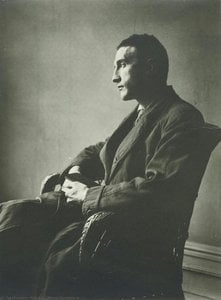
Marcel Duchamp

Marcel Duchamp

1887 - 1968 , Ranska

Tietoa taiteilijasta

  • Artistic Movement Or Style:
    • Kubismi
    • Dadaismi
  • Artists Or Movements Influenced By This Artist: ['Kubismi']
  • Date Of Birth: 28 heinäkuuta 1887
  • Date Of Death: 2 oktoberia 1968
  • Full Name: Marcel Duchamp
  • Nationality: Ranskalainen-Amerikkalainen
  • Notable Artworks:
    • Fontana
    • L.H.O.O.Q.
    • Suuri lasi
  • Place Of Birth: Blainville, Ranska
Tutustu teoksiin, jotka on järjestetty aiheiden, tyylien ja ominaisuuksien mukaan.