Taiteilijan elämäkerta
A Renaissance Master of Saxony: The Life and Art of Lucas Cranach the Elder
Lucas Cranach the Elder, syntynyt Kronachissa, Saksassa noin 1472, on keskeinen hahmo Saksan renessanssimaailmassa. Hänen elämänsä kukoisti aikana, jolloin uskonnolliset ja poliittiset muutokset olivat voimissaan, ja hänen taiteensa oli tiiviisti sidoksissa sekä nousujohteeseen protestanttiseen reformaatioon että vaikutusvaltaisiin hoveihin, joille hän palvelemassa. Alkuperäinen koulutuksensa sai hänen isältään, Hans Malerista, ja hänen varhaisen taiteellisen kehityksensä on osittain salattu mysteeriksi, vaikka eteläsaksaisten mestareiden vaikutukset ovat näkyvissä hänen tyylinsä kehityksessä. Hän erottui nopeasti ei ainoastaan taitavana käsityöläisenä vaan myös taiteilijana, joka pystyi vangitsemaan psykologista syvyyttä yhdistettynä tekniseen tarkkuuteen – ominaisuuksia, jotka houkuttelivat pian vaikutusvaltaisten suojelijoiden huomion. Vuonna 1504 hän astui Frederick III:n palvelukseen, Saksan valtiossiirtokunnan kreivin, suhteeseen, joka määritteli suurimman osan hänen uransa ja tarjosi sekä vakautta että pääsyä vaikutusvaltaisiin piireihin. Hänen nimityksensä taidemaalariksi Wittenbergissä ei ollut vain tuotannon tekemistä koristeellisia teoksia; se sijoitti hänet suoraan yhteen Euroopan transformaatiota muuttavimmista liikkeistä.
Patronage, Reformation and Artistic Innovation
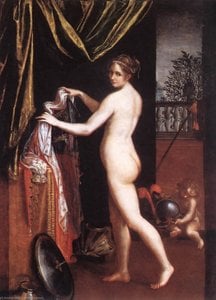
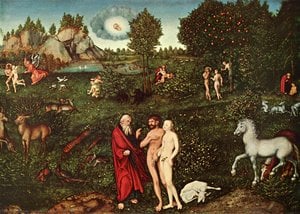
Cranachin asema Saksan valtiossa ei ainoastaan varmistanut hänen elinehtonsa vaan myös hänen taiteellisen kehityksensä. Hän ei ainoastaan dokumentoinut tapahtumia; hän muokkasi aktiivisesti visuaalisia tarinoita aikana, jolloin syvällisiä muutoksia tapahtui. Hänen ikuisuuteensa vaikuttavimman perinnöstään on ehdottomasti hänen läheinen suhteensa Martin Lutherin kanssa, protestanttisen reformaation keskeiseen hahmoon. Cranach loi jopa yhdenkymmenen Lutherin muotokuvaa, joista jokainen tarjoaa ainutlaatuisen näkökulman reformatorin persoonallisuuteen ja kehittyvään rooliinsa. Nämä eivät olleet pelkästään kuvaajia; ne olivat huolellisesti suunniteltuja kuvia, jotka pyrkivät välittämään auktoriteettia, uskonnonmukaisuutta ja älyllistä vahvuutta – olennaisia ominaisuuksia johtajalle, joka haastaa vakiintuneen uskonjärjestyksen. Taide ei rajoittunut Lutherin muotokuviin; Cranach loi myös reformaation teemoja käsitteleviä maalauksia ja puutatteita, jotka levittivät protestanttisia ideoita laajasti. Hänen Raamatun aiheiden kuvauksensa poikkesivat perinteisestä katolilaisesta ikonografiasta korostaen suoraa yhteyttä pyhäkkeen kanssa ja edistäen henkilökohtaista suhdetta uskoon. *Annunciation to Joachim* -maalaus on hyvä esimerkki, joka säteilee iloisia tunnelmia, heijastaen uutta painotusta yksilölliseen hengellisyyteen uudistuksen aikana. Tämä innovatiivinen lähestymistapa ulottui myös mytologisiin maalauksiin; Cranachin kuvaukset Venuksesta ja muista klassisista hahmoista kantavat usein allegorisia merkityksiä, jotka liittyvät ajankohtaisiin poliittisiin ja sosiaalisiin kysymyksiin.
A Workshop Dynasty: Style and Technique
Lucas Cranach the Elder ei ollut yksinäinen taiteilija, joka työskenteli erillään. Hän hallitsi tuottavaa työpöytää, jossa oli monia avustajia ja oppilaita, jotka edistivät merkittävästi hänen tuotantoaan. Tämä yhteistyöhön perustuva lähestymistapa tarkoitti, että monet Cranachille sijoitetut teokset olivat todellisuudessa hänen johduttamiaan tai heidän ympäröivien ihmisten tekemiä. Cranachin työpöytä tunnettiin ainutlaatuisesta tyylistä: elegantit hahmot pitkissä mittasuhteissa, eloisat värit ja huolellinen tarkkuus. Hänen tekniikkansa sisälsi öljymaalausta, puukkoloitosta ja kaivertamista, mikä mahdollisti hänelle tavoittaa laajan yleisön sekä alkuperäisten taideteosten että edullisten tulosteiden kautta. *Elector Friedrich III the Wise’s Stag Hunt* on hyvä esimerkki hänen pohjoismaisen renessanssin tyylinsä hallinnasta, joka esittää yksityiskohtaista realismia yhdistettynä kuninkaalliseen symboliikkaan. Kompositio on dynaaminen, vangiten metsästystilan energian samalla kun se välittää valiolleen vallan ja aseman. Cranachin valon ja varjon käyttö luo syvyyden ja tunnelman tunteen, joka houkuttelee katsojan kuvaan. Hänen muotokuvansa ovat yhtä vakuuttavia, niissä on psykologista syvyyttä ja hienostunutta suoritusta.
Legacy and Enduring Influence
Lucas Cranach the Elder kuoli vuonna 1553, jättäen jälkeensä poikkeuksellisen taiteellisen perinnön, joka resonoi edelleen tänään. Hän oli muotokuvaustaitaja, taitava uskonnollisten teemojen tulkitsija ja viisas liikemies, joka ymmärsi visuaalisen kommunikaation voiman. Hänen työnsä heijastaa ei ainoastaan aikansa kulttuurisia ja intellektuaalisia nyansseja vaan myös muokkasi niitä. Cranachin työpöytä kukoisti hänen kuolemansa jälkeen, mikä varmisti, että hänen tyylinsä ja tekniikkansa periytyivät sukupolvien ajan. Hänen vaikutuksensa näkyy monien myöhempien taiteilijoiden töissä, ja hänen maalauksensa ovat edelleen kysyttyjä kokoelmissa ja museoissa ympäri maailmaa. Alkuperäisistä Lutherin muotokuvista lumoaviin mytologisiin kuviin Cranachin taide tarjoaa kiehtovan näkymän Saksan renessanssin maailmaan – maailmaan, joka on merkitty sekä syvälliseen hengelliseen kyseenalaistamiseen että taiteelliseen innovaatioon. Hänen kykynsä yhdistää uskonnollinen intohimo, poliittinen taito ja taiteellinen lahjakkuus vakiinnutti hänen paikkansa aikansa tärkeimpänä taiteilijana, ja hänen panoksensa inspiroivat ja kiehtovat yleisöjä vuosisatojen ajan.



 Esikatselu
 Vaihda tulosteeseen
 Jaa teos
 Jaa
Jaa
 Tiedot
 Opas
Opas

 Lataa kuva
 Samanlaisia kohteita
 Röntgenkuvaus
 Diaesitys
 Tilastot


 Lue lisää






































 Lasivaihtoehto on saatavilla vain alle 110 cm kokoisille teoksille