Katso seinällä Esikatsele AR-tilassa Vaihda tulosteeseen Siirry digitaaliseen kuvaan Lähetä
Tarkemmat tiedot Opas Lisää suosikkeihin Lataa kuva Samanlaisia kohteita Röntgenkuvaus Diaesitys Tilastot

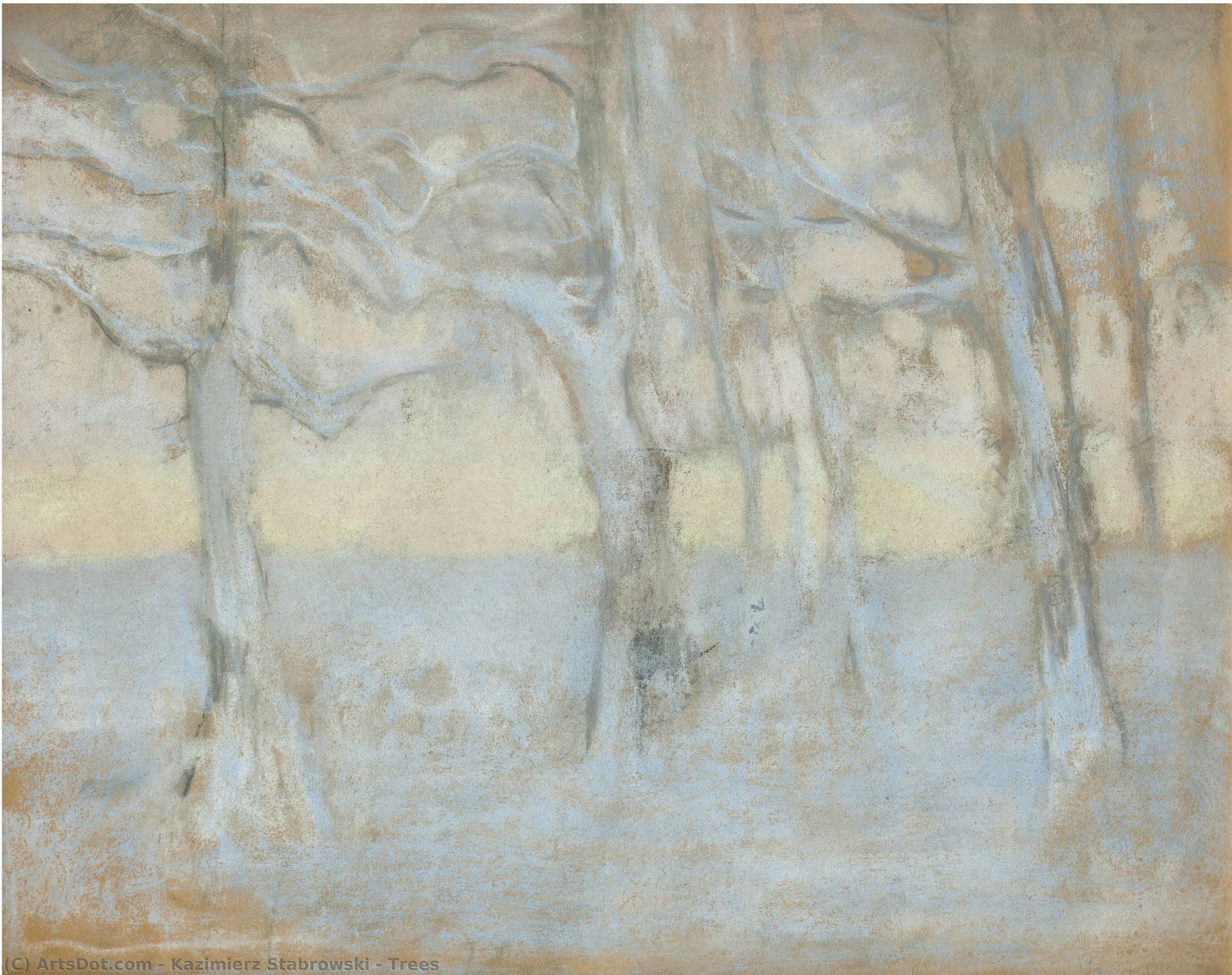
Trees

Explore Kazimierz Stabrowski's 'Trees' (1895), a mesmerizing pastel blending symbolism and romanticism. Witness nature's transformation in this unique Polish masterpiece.

Löydä Kazimierz Stabrowski (1869–1929), kuuluisa puolalainen maalarit, joka tunnetaan unelmallisista symbolistisista maisemistaan ja romanttisista kohtauksistaan. Varsovan taideakatemian johtaja ja teosofisen seuran perustaja.

Käsinmaalattu öljyvärinen jäljennös

Käsinmaalattu öljyväri kankaalle haluamassasi koossa ja kehyksissä, taiteilijoidemme valmistamana tilauksesta. ( Vaihda tulosteeseen Siirry digitaaliseen kuvaan)

Corner sample of the P118B picture frame: valettu polystyreeni, 5 cm wide and 3 cm thick
P118B 10
Corner sample of the P118H picture frame: valettu polystyreeni, 5 cm wide and 3 cm thick
P118H 10
Corner sample of the P118W picture frame: valettu polystyreeni, 5 cm wide and 3 cm thick
P118W 10
Corner sample of the P438Z picture frame: valettu polystyreeni, 5.5 cm wide and 3.5 cm thick
P438Z 10
Corner sample of the P508JH picture frame: valettu polystyreeni, 7 cm wide and 3.5 cm thick
P508JH 12
Corner sample of the P508YH picture frame: valettu polystyreeni, 7 cm wide and 3.5 cm thick
P508YH 12
Corner sample of the P805H picture frame: valettu polystyreeni, 5 cm wide and 3.5 cm thick
P805H 10
Corner sample of the P805Z picture frame: valettu polystyreeni, 5 cm wide and 3.5 cm thick
P805Z 10
Corner sample of the P919BZ picture frame: valettu polystyreeni, 7 cm wide and 3.5 cm thick
P919BZ 10
Corner sample of the P919G picture frame: valettu polystyreeni, 7 cm wide and 3.5 cm thick
P919G 10
Corner sample of the P919XJ picture frame: valettu polystyreeni, 7 cm wide and 3.5 cm thick
P919XJ 10
Corner sample of the P959ZH picture frame: valettu polystyreeni, 5 cm wide and 3 cm thick
P959ZH 10
Corner sample of the P968JZ picture frame: valettu polystyreeni, 6 cm wide and 4 cm thick
P968JZ 12
Corner sample of the W106C picture frame: massiivipuu, 5 cm wide and 3 cm thick
W106C 8
Corner sample of the W218G picture frame: massiivipuu, 5 cm wide and 3 cm thick
W218G 10
Corner sample of the W218JH picture frame: massiivipuu, 5 cm wide and 3 cm thick
W218JH 8
Corner sample of the W218Y picture frame: massiivipuu, 5 cm wide and 3 cm thick
W218Y 10
Corner sample of the W307PJ picture frame: massiivipuu, 6 cm wide and 3 cm thick
W307PJ 10
Corner sample of the W316G picture frame: massiivipuu, 6 cm wide and 3 cm thick
W316G 10
Corner sample of the W316PJ picture frame: massiivipuu, 6 cm wide and 3 cm thick
W316PJ 8
Corner sample of the W316Y picture frame: massiivipuu, 6 cm wide and 3 cm thick
W316Y 10
Corner sample of the W398PJ picture frame: massiivipuu, 5 cm wide and 3 cm thick
W398PJ 8
Corner sample of the W4111J picture frame: massiivipuu, 6.5 cm wide and 3.5 cm thick
W4111J 10
Corner sample of the W500HY picture frame: massiivipuu, 7 cm wide and 5 cm thick
W500HY 15
Corner sample of the W500JH picture frame: massiivipuu, 7 cm wide and 5 cm thick
W500JH 15
Corner sample of the W692G picture frame: massiivipuu, 8 cm wide and 4 cm thick
W692G 12
Corner sample of the W849H picture frame: massiivipuu, 5 cm wide and 3 cm thick
W849H 8
Corner sample of the W940BG picture frame: massiivipuu, 7.5 cm wide and 4.5 cm thick
W940BG 15
Corner sample of the W953PJ picture frame: massiivipuu, 6 cm wide and 3.5 cm thick
W953PJ 8

Vakiokoko
mittatilaustyö
CM
INCH

Valitse valmiista mitoistamme sellaiset, jotka vastaavat teoksen alkuperäisiä mittasuhteita.

leveys
korkeus

Kirjoita tarvitsemasi leveys ja korkeus, jotta teos sopii kehyskehyksiisi tai seinällesi. Koska kyseessä on käsinmaalattu teos, taiteilija voi maalata hieman enemmän kuvan ympärille tai rajata sitä hieman, jos haluat eri muotoisen koon — valinta on sinun. Lähetämme sinulle digitaalisen mallikuvan hyväksyttäväksi ennen kuin maalaus alkaa. Tällä sivulla näkyvä kuva ei vastaa lopullista tulosta — vain mallikuva näyttää sen.

Esimerkkejä muokattavista asioista: Vaihda kasvot asiakkaan omaan valokuvaan; Lisää lemmikki (esim. korvaa kissa koiralla); Lisää taustalle piilotettu viesti; Muuta taustan maisemaa tai elementtejä.
Tilauksen jälkeen WahooArt.com -tiimi lähettää asiakkaalle sähköpostitse ohjeet ja esikatselukuvan.

Maailmanlaajuinen toimitus () 3–4 viikossa tavallisen 5 viikon sijaan. (15 lokakuu). Laadusta ei tingitä.

Ilmainen pikatoimitus ympäri maailman
Korkealaatuinen pellavakangas
Kattava kuljetusvakuutus
Tulliveron palautustakuu
Takuu täydellisestä värien vastaavuudesta
100 päivän palautusoikeus valmistusvirhetapauksissa
100% rahat takaisin -takuu
Määräalennus saatavilla

Kokonaishinta

€ 236

Trees

Reproduktiotapa

Replikaatin koko

-

Kokonaishinta

€ 236

Pikaista tietoa

  • Influences: Čiurlionis
  • Artistic style: Abstract imagery, dreamy
  • Medium: Pastel drawing on paper
  • Title: Trees
  • Year: 1895
  • Notable elements or techniques: Loose lines, blended colors

Taidevisakysely

Jokaisessa kysymyksessä on vain yksi oikea vastaus.

Kysymys 1:
What is the primary artistic shift evident in Stabrowski’s "Trees," as described in the provided information?
Kysymys 2:
What is the overall mood evoked by the artwork "Trees"?
Kysymys 3:
Which artistic medium was primarily used to create "Trees"?
Kysymys 4:
What is a key characteristic of the lines used in Stabrowski's depiction of the trees?
Kysymys 5:
How does the artwork create a sense of depth?

Kazimierz Stabrowski's "Trees": A Symbolist Landscape of Transformation

  • Artist: Kazimierz Stabrowski (1869-1929)
  • Date: 1895
  • Medium: Pastel on paper
  • Size: 47 x 63 cm

Kazimierz Stabrowski's "Trees" is a captivating pastel drawing that transcends simple representation, offering instead a glimpse into the artist’s exploration of symbolism and romanticism within the natural world. This work, created in 1895, showcases a pivotal moment in Stabrowski's artistic development as he moves away from strict realism towards abstraction, while retaining a profound emotional depth.

Subject Matter & Composition

"Trees" depicts a cluster of trees set against what appears to be a beach or shoreline. The composition is dominated by the verticality of the tree trunks and branches, rendered with loose, flowing lines and blended colors. Unlike traditional landscape paintings that prioritize accurate depiction, Stabrowski prioritizes conveying an atmosphere and feeling. There's no clear focal point; instead, the eye wanders across the dense visual field created by the clustered trees, eventually settling on the hazy background suggesting a distant shoreline. The horizontal format emphasizes the breadth of the scene while maintaining a sense of intimacy through the close proximity of the trees in the foreground.

Style and Technique: A Shift Towards Abstraction

The artwork exemplifies a transition towards abstraction. Stabrowski’s technique is characterized by loose, gestural strokes that capture the essence of the trees rather than their precise form. The blending of colors—primarily muted tones of beige, grey, blue, and brown with subtle hints of yellow and green—creates a hazy, dreamlike effect. This soft palette contributes to the overall melancholic and contemplative mood. The use of pastels lends itself beautifully to this style, creating a velvety texture that enhances the sense of depth and dimension. The lines themselves are not sharp or defined but rather flow into one another, suggesting movement and growth within the trees. It's worth noting the similarities in tree depiction with those found in Mikalojus Konstantinas Čiurlionis’ “Winter” collection (1907), highlighting a shared artistic sensibility of the time.

Symbolism & Emotional Impact

Beyond its aesthetic qualities, "Trees" carries significant symbolic weight. The transforming trees represent change, growth, and potentially even spiritual evolution—themes central to Stabrowski’s interest in symbolism and romanticism. The artist's intention was not merely to depict a scene but to express ideas, feelings, and experiences through the landscape. The hazy atmosphere and muted colors evoke a sense of longing or introspection, inviting viewers to contemplate their own connection to nature and the passage of time. This work is more than just a depiction of trees; it’s an exploration of the human condition within the context of the natural world.

Historical Context & Artistic Significance

Created during a period of artistic experimentation, "Trees" reflects the broader shift away from realism and towards symbolism and abstraction in late 19th-century art. Stabrowski’s work stands as an important example of Polish Symbolism, demonstrating a desire to move beyond mere representation and explore deeper emotional and spiritual truths. His exploration of these themes, combined with his later involvement in the Theosophical Society, further enriches the interpretation of this evocative pastel drawing.

Kysymykset ja vastaukset

Miten teoksen "Trees" tyyli suhteutuu sen tekijän aikakauteen?

Teoksessa Kazimierz Stabrowski:n "Trees" Symbolism-suuntaus ja luku-aikakausi kohtaavat.

Miltä aikakaudelta Kazimierz Stabrowski:n "Trees" on peräisin?

Kazimierz Stabrowski:n "Trees" on peräisin 19th Century -kaudelta. Kyseinen aikakausi antaa teokselle historiallisen kontekstin.

Ovatko teoksen Kazimierz Stabrowski:n "Trees" värit kylläisiä vai hillittyjä?

Teoksen Kazimierz Stabrowski:n "Trees" väreissä on Muted kylläisyys. Kylläisyys kuvaa värien voimakkuutta tai himmeyttä.


Taiteilijan elämäkerta

nuoruus ja koulutus

Kazimierz Stabrowski, arvostettu puolalainen taiteilija, syntyi vuonna 1869 Navahroudokissa, Valko-Venäjällä. Hän jatkoi opintojaan Varsovan taideakatemiassa, josta tuli myöhemmin myös sen johtaja. Tämä merkittävä rooli ei ainoastaan osoittanut hänen taiteellista lahjakkuuttaan, vaan myös vahvisti hänen vaikutusvaltaansa seuraavaan sukupolveen taiteilijoita.

taiteellinen tyyli ja merkittävät teokset

Stabrowskin teoksia leimaa unenomainen, symbolinen laatu, jossa yhdistyvät usein symbolismin ja romantiikan elementit. Yksi hänen kuuluisimmista teoksistaan, Lumineito (1891), on täydellinen esimerkki tästä ainutlaatuisesta tyylistä, joka on lumonnut taiteen ystäviä jo yli vuosisadan ajan.

teosofisen seuran perustaminen Puolaan

Taiteellisten saavutustensa lisäksi Stabrowski played merkittävän roolin teosofisen seuran ensimmäisten loogien perustamisessa Puolaan. Tämä henkisyyteen ja okkultismiin perustuva filosofinen seura korostaa entisestään Stabrowskin moniulotteista luonnetta.

perintö ja myöhempi elämä

Stabrowski kuoli vuonna 1929 Garwolinissa, Puolassa, jättäen jälkeensä perinnön, joka jatkaa taiteilijoiden ja taiteen ystävien inspiroimista. Hänen vaikutuksensa on nähtävissä monissa puolalaisen taiteen osa-alueissa, Varsovan taideakatemiasta aina hänen lukemattomiin symbolisiin ja romanttisiin teoksiinsa.

valikoituja teoksia Kazimierz Stabrowskilta WahooArt.com-sivustolla

  • Vuorten henki (105 x 85 cm, Liettuan taideperintörahasto, Vilna, Liettua, öljy kankaalle) - täydellinen esimerkki Stabrowskin symbolisesta tyylistä.
  • Colosseum kuunvalossa (47 x 65 cm, Liettuan taideperintörahasto, Vilna, Liettua, pastelli) - tämä teos osoittaa Stabrowskin kyvyn vangita eteerisiä maisemia.
  • Puut (47 x 63 cm, Liettuan taideperintörahasto, Vilna, Liettua, pastelli) - ainutlaatuinen yhdistelmä realismia ja abstraktia kuvastoa, mikä on tyypillistä Stabrowskin myöhemmälle tuotannolle.

museot, joissa esitellään Kazimierz Stabrowskin teoksia WahooArt.com-sivustolla

Löydä lisää Kazimierz Stabrowskista ja hänen lumoavista taideteoksistaan osoitteessa WahooArt.com.
Kazimierz Stabrowski

Kazimierz Stabrowski

1869 - 1929 , Valko-Venäjä

Tietoa taiteilijasta

  • Artistic Movement Or Style: Symbolismi
  • Artists Who Influenced This Artist:
    • Gustav Klimt
    • Jean Sibelius
  • Date Of Birth: 21. marraskuuta 1869
  • Date Of Death: 10. kesäkuuta 1929
  • Full Name: Kazimierz Stabrowski
  • Nationality: Puolalainen
  • Notable Artworks:
    • Lumineito
    • Puita
    • Rooma. Fontana Dei Cavalli Marini
  • Place Of Birth: Kruplyany, Valko-Venäjä