
 Oil On CanvasWallArtBarbizon School
 1840
1840 39.0 x 58.0 cm
 Ermitažin museo
Käsinmaalattu öljyväri kankaalle haluamassasi koossa ja kehyksissä, taiteilijoidemme valmistamana tilauksesta. ( Vaihda tulosteeseen Siirry digitaaliseen kuvaan)





























Valitse valmiista mitoistamme sellaiset, jotka vastaavat teoksen alkuperäisiä mittasuhteita.

Kirjoita tarvitsemasi leveys ja korkeus, jotta teos sopii kehyskehyksiisi tai seinällesi. Koska kyseessä on käsinmaalattu teos, taiteilija voi maalata hieman enemmän kuvan ympärille tai rajata sitä hieman, jos haluat eri muotoisen koon — valinta on sinun. Lähetämme sinulle digitaalisen mallikuvan hyväksyttäväksi ennen kuin maalaus alkaa. Tällä sivulla näkyvä kuva ei vastaa lopullista tulosta — vain mallikuva näyttää sen.
Maailmanlaajuinen toimitus () 3–4 viikossa tavallisen 5 viikon sijaan. (25 lokakuu). Laadusta ei tingitä.
Forest Landscape
Replikaatin koko
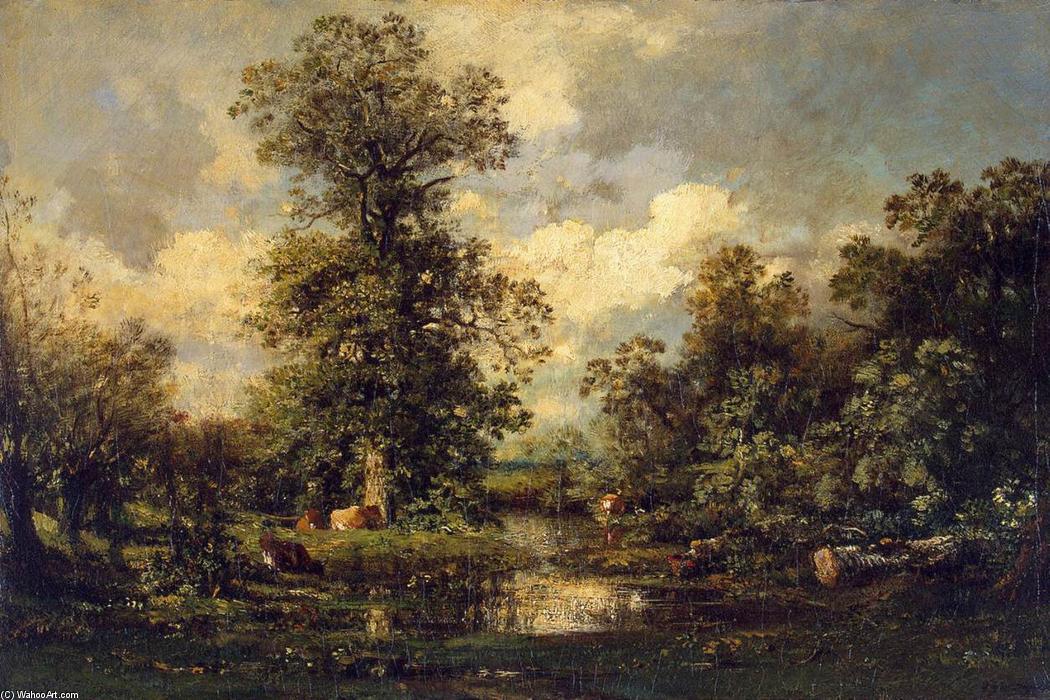
Jules Dupré's "Forest Landscape," painted in 1840, isn’t merely a depiction of trees; it’s an immersion into the heart of the Barbizon School’s philosophy – a profound reverence for nature rendered with raw emotion and meticulous observation. This oil on canvas, currently residing within the esteemed Hermitage Museum in St. Petersburg, transcends simple landscape painting, offering a glimpse into the soul of 19th-century France and the artist's deeply personal connection to the natural world.
The Barbizon School, emerging from the shadow of Romanticism, rejected the idealized landscapes favored by earlier generations. Instead, they sought truth in the everyday – the weathered bark of a tree, the dappled sunlight filtering through leaves, the subtle shifts in color that define a fleeting moment. Dupré embodies this ethos with remarkable clarity. He doesn’t strive for picturesque beauty; he presents the forest as it *is*, imbued with a sense of quiet drama and timelessness. The composition is anchored by a winding river, its surface mirroring the sky above – a clever device that blurs the boundaries between earth and heavens, suggesting an infinite expanse.
Dupré’s masterful use of color is central to the painting's impact. He eschews bright hues in favor of a rich tapestry of earthy tones – deep greens, browns, ochres, and subtle blues – creating an atmosphere of profound tranquility and introspection. These aren’t merely colors; they are textures, evoking the dampness of moss, the roughness of bark, and the muted light of a forest floor. Notice how he employs loose brushstrokes, allowing the paint to flow freely across the canvas, capturing the movement of branches in the wind and the dappled patterns of sunlight. This technique contributes significantly to the painting’s sense of immediacy and vitality.
The sky itself is a study in atmospheric perspective – a swirling blend of clouds rendered with delicate washes of blue and gray. These aren't static formations; they seem to shift and change, mirroring the ever-changing moods of nature. The light filtering through these clouds casts a gentle illumination on the landscape below, highlighting the play of light and shadow in the foliage and along the river’s edge – creating an illusion of depth and volume that draws the viewer into the scene.
To fully appreciate “Forest Landscape,” it's crucial to understand its historical context. The Barbizon School, centered around the Forest of Fontainebleau, rejected the Parisian Salon’s emphasis on academic art and sought inspiration directly from nature. Artists like Dupré, Corot, and Millet spent countless hours observing and painting outdoors, capturing the essence of rural life and the beauty of the French countryside. Dupré's work is often interpreted as a reflection of his own emotional state – a yearning for simplicity, solitude, and connection with the natural world.
Symbolically, the forest itself represents a realm of mystery and introspection. It’s a place where one can escape the pressures of society and connect with something larger than oneself. The winding river serves as a metaphor for the flow of life – its constant movement reminding us to embrace change and accept the inevitable passage of time. The painting, therefore, is not simply a representation of a forest; it’s an invitation to contemplate our place within the grand scheme of nature.
Handmade oil painting reproductions of this beautiful work are now available for purchase at WahooArt.com, offering a tangible connection to Dupré’s artistic vision. Whether adorning your living room wall or serving as a focal point in a serene bedroom, “Forest Landscape” will undoubtedly evoke feelings of peace, tranquility, and wonder. Its timeless appeal ensures that it will remain a cherished addition to any art collection for generations to come.
Teoksella Jules Dupré:n "Forest Landscape" on Landscape -muoto. Muoto kuvaa sommittelun mittasuhteita.
"Forest Landscape" on Jules Dupré:n luoma teos. Tällä sivulla olevat tiedot kuvaavat Jules Dupré:n alkuperäistä työtä.
"Forest Landscape"-teoksen reproduktio sopii hyvin Living Room-tilaan.

Jules Dupré (1811–1889) seisoo kulmakivenä Barbizon-koulun piirissä, taiteellisessa liikkeessä, joka puolusti raakaa havainnointia ja emotionaalista kaihoa maisemamaalauksessa. Toisin kuin hänen aikalaistensa, kuten Corot’n, jotka tavoittelivat lyyrillistä kauneutta ja tyyntä pysähtyneisyyttä, Dupré kamppaili luonnon synkemmien ja myrskyisämpien puolien kanssa. Hänellä oli ainutlaatuinen kyky vangita myrskyjen raivo, hämärän melankolinen mahtavuus ja elementtien perumaton energia, välittäen nämä kokemukset vertaansa vailla olevalla intensiteetillä. Nantesissa, Ranskassa syntyneen Dupré’n taiteellinen matka alkoi kasvavasta kiehtoutumisesta luonnon maailmaan ja sen kykyyn herättää syviä, usein myllertäviä inhimillisiä tunteita.
Hänen varhaiset vuotensa loivat pohjan huolelliselle yksityiskohtien tarkkuudelle ja arvostukselle käsityötaitoa kohtaan – ominaisuuksille, jotka hioutuivat hänen isänsä posliinivalmistusyrityksessä. Tämä muovaava kokemus kääntyi myöhemmin hänen omiin taiteellisiin pyrkimyksiinsä, mikä näkyy erityisen selvästi hänen varhaisissa teoksissaan, joissa hän tutki keramiikan koristelun monimutkaisuutta. Posliinimaalauksen oppipoikana hän oppi hienojen viivojen ja tekstuurien kurinalaisuuden, taitolajista, joka kehittyi lopulta mestarilliseksi tavaksi hallita ilmakehän syvyyttä ja orgaanisia muotoja.
Dupré’n uran suunta sai peruuttamattoman muodon kohdatessaan John Constable’n mullistavat kankaat. Tämä altistuminen englantilaisille maisemaperinteille sytytti halun vangita luonnon dynamiikan olemus – tuulen piiskaaman lehvästön jatkuva liike ja valon sekä varjon dramaattinen vuoropuhelu päivän myrskyisimpinä tunteina. Matkustaessaan Isoon-Britanniaan vuonna 1831 Dupré teki syvällisiä tutkimuksia näiden englantilaisten mestareiden tyylistä ja palasi Ranskaan kuvastolla, joka määritteli uudelleen hänen lähestymistapansa maisemaan.
Hän löysi erityistä inspiraatiota Southamptonin ja Plymouthin ympäristön rannikkoalueilta. Nämä valtavat vesialueet, jotka heijastivat myrskyisiä taivaita, tarjosivat hänelle täydellisen laboratorion tutkia ukkospilvien levotonta liikettä ja merten pauhua. Hänen aikakauden maalauksensa eivät ole pelkkiä esityksiä maisemasta; ne ovat viskeraaleja ilmaisuja tunnelmasta ja tunteesta, täynnä käsinkosketeltavaa draamaa ja jopa surua. Omaksumalla Barbizonin estetiikan Dupré asetti ilmeikkään väripaletin ja rohkeat siveltimenvedot idealisoidun tai kiillotetun esityksen edelle, antaen maalin tekstuurin itsessään heijastaa maan karuutta.
Keskeisenä hahmona Barbizon-ryhmässä Dupré kehitti läheisiä siteitä muihin legendaarisiin maalareihin, kuten Théodore Rousseau’hun. Hänen nousunsa ranskalaisen taide-elämän huipulle leimautui merkittäviä virstanpylväitä, kuten hyväksyntä Salongiin ja virallinen tunnustus mitalien muodossa maisemamaalauksistaan. Hänen työstään tuli synonyymi tietylle soinnikkaalle ja resonoivalle väriharmonialle, jossa laskevan auringon valo tai lähestyvän myrskyn pimeys voitiin kokea yhtä paljon kuin nähdä.
Nykyään Jules Dupré muistetaan yhtenä 1800-luvun vaikutusvaltaisimmista ranskalaisista maisemamaalareista. Hänen panoksensa taiteeseen piilee kyvyssä yhdistää puhdas havainnointi ja romanttinen tunne. Teosten, kuten La Petite Charrette, Cows Crossing a Ford ja hänen lumoavien jokimaisemien kautta hän opetti sukupolville taiteilijoille, ettei luonto ole vain maalaamisen kohde, vaan voimakas voima, joka on koettava. Hänen perintönsä on säilynyt raskaina, ilmakehää täyttävinä tekstuureina ja dramaattisina, hengittävinä taivaina, jotka jatkavat modernin mielikuvituksen vangitsemista.

1811 - 1889 , Ranska

Explore the profound legacy of the Barbizon School. Discover how masters like Corot and Monet revolutionized landscape painting through plein air techniques and the soulful depiction of nature's light and shadow in this expert art history guide.

 Katso seinällä
 Lähetä
 Jaa
Jaa
 Tarkemmat tiedot
 Opas
Opas

 Lataa kuva
 Samanlaisia kohteita
 Röntgenkuvaus
 Diaesitys
 Tilastot
 Lue lisää









 Lasivaihtoehto on saatavilla vain alle 110 cm kokoisille teoksille


