Käsinmaalattu öljyväri kankaalle haluamassasi koossa ja kehyksissä, taiteilijoidemme valmistamana tilauksesta. ( Vaihda tulosteeseen Siirry digitaaliseen kuvaan)





























Valitse valmiista mitoistamme sellaiset, jotka vastaavat teoksen alkuperäisiä mittasuhteita.

Kirjoita tarvitsemasi leveys ja korkeus, jotta teos sopii kehyskehyksiisi tai seinällesi. Koska kyseessä on käsinmaalattu teos, taiteilija voi maalata hieman enemmän kuvan ympärille tai rajata sitä hieman, jos haluat eri muotoisen koon — valinta on sinun. Lähetämme sinulle digitaalisen mallikuvan hyväksyttäväksi ennen kuin maalaus alkaa. Tällä sivulla näkyvä kuva ei vastaa lopullista tulosta — vain mallikuva näyttää sen.
Maailmanlaajuinen toimitus () 3–4 viikossa tavallisen 5 viikon sijaan. (23 lokakuu). Laadusta ei tingitä.
Cypresses Tree Trunk
Replikaatin koko
In the delicate interplay of light and shadow captured within Cypresses Tree Trunk, we encounter a moment of profound tranquility that seems to suspend time itself. Painted in 1927, this evocative work transports the viewer to a pastoral landscape where a stone church stands as a silent sentinel against a luminous, amber-hued sky. The composition is anchored by the architectural presence of the church, its blue roof providing a cool, rhythmic contrast to the warmth of the atmosphere. As the eye wanders through the scene, it discovers the subtle movement of a lone bird drifting above the verdant canopy, a small but vital detail that breathes life into the stillness. This painting is not merely a depiction of a landscape; it is an invitation to experience a meditative state, making it an exquisite centerpiece for any collection seeking to evoke peace and contemplation.
The artistry of Joseph Stella shines through in the masterful application of color and form. While Stella is often celebrated for his dynamic, industrial depictions of the Brooklyn Bridge and the frenetic energy of Futurism, this particular piece reveals a more lyrical, contemplative side of his genius. The technique employs a soft, almost dreamlike quality where the textures of the stone walls and the organic silhouettes of the trees blend into a cohesive, atmospheric whole. The use of a golden, sun-drenched palette suggests the fleeting beauty of a late afternoon, creating a sense of nostalgia and warmth that resonates deeply with the soul. For the discerning collector or interior designer, this work offers a sophisticated balance of structural stability and ethereal lightness.
Beyond its aesthetic allure, the painting carries a weight of historical and symbolic significance. Created during a period when modernism was reshaping the boundaries of art, Stella manages to bridge the gap between traditional landscape sensibilities and a more modern, emotive approach to light. The cypress trees, often symbols of mourning or eternity in classical art, here appear integrated into a peaceful cycle of nature, standing alongside the enduring stone of the church. This creates a powerful narrative of permanence amidst change. For those looking to adorn a space with art that inspires emotional depth, this reproduction serves as a window into a world of quiet majesty, offering a timeless elegance that complements both contemporary and classic interior decors.
Koko Small, Square suuntaus: tämä on teokselle Joseph Stella:n "Cypresses Tree Trunk" suositeltu tulostusasetus.
Joseph Stella:n "Cypresses Tree Trunk" kuuluu Futurism-suuntaukseen ja sijoittuu tekijänsä Modernismi aikakaudelle.
Teoksen Joseph Stella:n "Cypresses Tree Trunk" värit ovat Vivid voimakkuudeltaan.


1877 - 1946 , Italia

Explore the rich symbolism & emotional power of yellow in art history! From Van Gogh to Kandinsky, discover how artists used this vibrant hue. Expert analysis & high-quality reproductions at WahooArt.

Uppoudu 10 tunnetuimman taideteoksen maailmaan, joita hallitsee liukuväri! Tutustu impressionismin ja postimpressionismin mestareihin sekä sinisen sävyjen merkitykseen. Löydä inspiraatiota kotiisi WahooArt.com:ista – laadukkaat taidevedokset ja kuratoidut sisustusratkaisut odottavat! Tutustu kokoelm
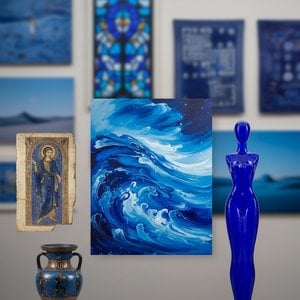
Explore the rich history of blue in art! Discover its symbolism, from ancient pigments to modern masterpieces by Kandinsky & Seurat. Uncover the psychological impact and cultural meanings behind this captivating hue.

Tutustu 10 tunnetuimpaan kromikeltaisen sävyn taidemaalaukseen! Van Goghin, Monetin ja Picasson mestariteoksia – tarinat, tekniikat & inspiraatio sisustukseen. Laadukkaat taidevedokset WahooArt.com:ssa. Tutki kokoelma verkossa!
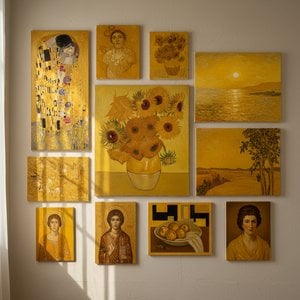
Tutustu 10 kuuluisimpaan maalaukseen, joita hallitsee keltaokran sävy! Van Goghista Rembrandtiin – taiteen historiaa ja inspiraatiota sisustukseesi. Laadukkaat öljyvärimaalauksien kopiot WahooArt.comissa. Tutki kokoelma verkossa!

 Katso seinällä
 Lähetä
 Jaa
Jaa
 Tarkemmat tiedot
 Opas
Opas

 Lataa kuva
 Samanlaisia kohteita
 Röntgenkuvaus
 Diaesitys
 Tilastot


 Lue lisää









 Lasivaihtoehto on saatavilla vain alle 110 cm kokoisille teoksille