Ilmainen taidekonsultointi

x
Tilaa painos Tilaa painosTilaa maalaus Tilaa maalaus JaaJaa
TiedotTiedot Lisää suosikkeihin Lisää suosikkeihin LataaLataa SamanlaisiaSamanlaisia X-lähikuvaX-lähikuva DiaesitysDiaesitys

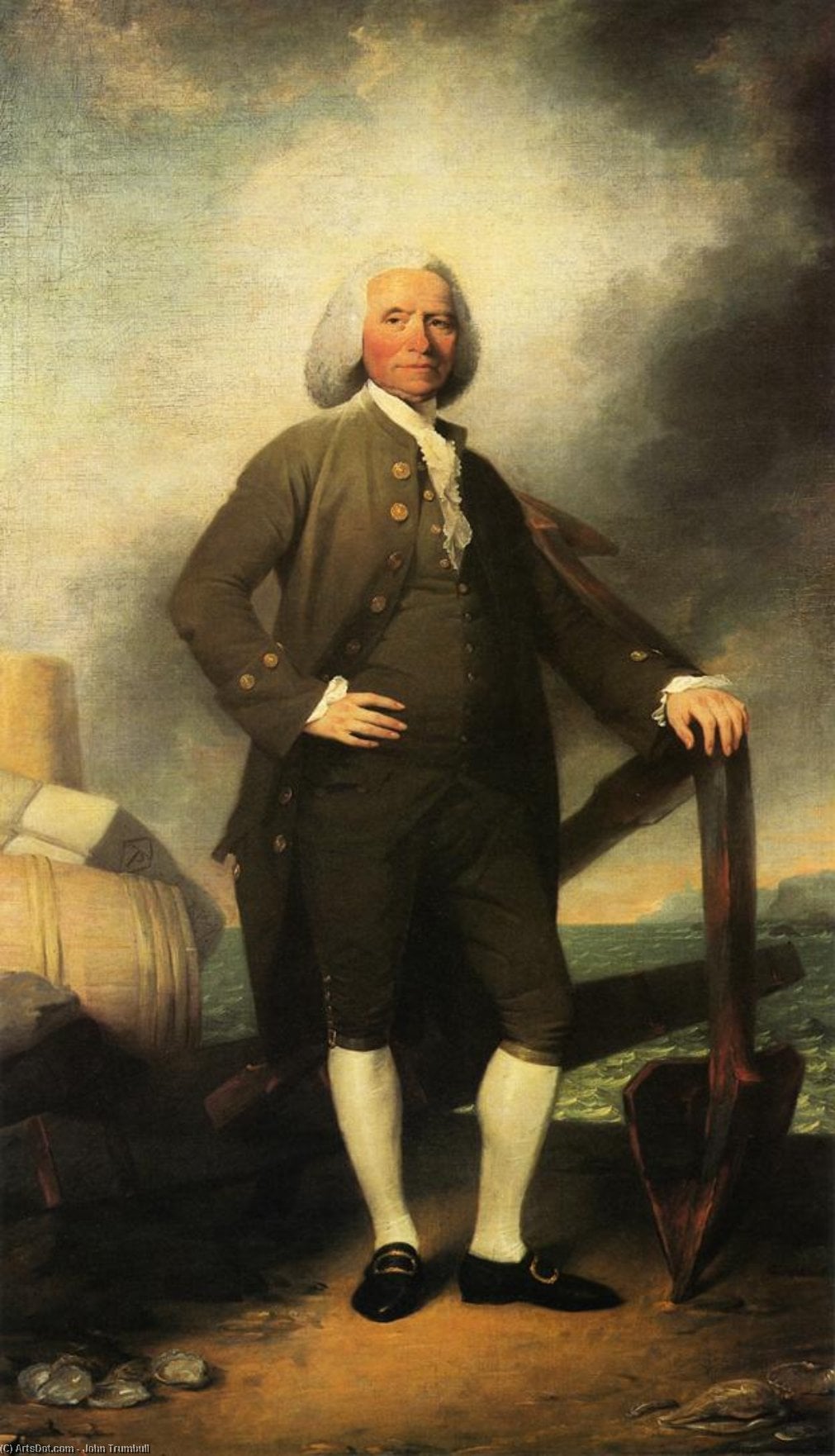
Patrick Tracy

Experience John Trumbull's Grand Manner neoclassicism in Patrick Tracy, a 1784 portrait capturing revolutionary American spirit; discover this historical masterpiece today.

John Trumbull (1756-1843), 'Painter of the Revolution,' kuvasi amerikkalaisen vallankumouksen ikonisia historiallisia maalauksiaan kuten Amerikan itsenäisyysjulistuksen kautta. Tutustu hänen perintöönsä!

Osta korkearesoluutioinen, parannettu digitaalikuva, joka on laadultaan huomattavasti parempi kuin verkkosivuston esikatselu.

Jokainen tiedosto valmistellaan huolellisesti omien asiantuntijoidemme toimesta käyttäen edistyneitä työkaluja ja ammattitaitoista manuaalista retusointia. Varmistamme, että jokaisessa kuvassa on poikkeuksellinen selkeys, tarkka värintoisto ja hienovaraiset yksityiskohdat.

Lopputiedosto toimitetaan sähköpostitse 72 tunnin kuluessa, ja se on optimoitu välittömään käyttöön ammattimaisissa, toimituksellisissa ja painoympäristöissä. Laatu on sama, johon huipputason suunnittelustudiot, kustantajat ja galleriat luottavat.

Digitaalinen kuva

Lataa korkearesoluutioinen tiedosto henkilökohtaiseen näyttelyyn, tulostamiseen ja luoviin projekteihin.

Kokonaishinta

$9.99

Sisältyy jokaiseen digitaalisen kuvan tilaukseen

Asiantunteva digitaalinen toimitus, taattuun laatuun

Kun valitset WahooArt.com-palvelun, et saa vain kuvaa – saat ammattimaisesti parannetun digitaalisen taideteoksen, joka on luotu tarkkuudella ja jonka takaa tulee tyytyväisyystakuu. Tässä on kaikki, mitä tilauksesi sisältää, automaattisesti:

shipping_icon
Nopea digitaalinen toimitus

Korkearesoluutioinen digitaalinen kuvatiedostosi lähetetään sähköpostiisi 72 tunnin kuluessa tilauksesta – valmiina käytettäväksi välittömästi.

canvas_icon
Tekoälyllä parannettu digitaalinen tiedosto

Taiteilijasi teos on optimoitu ammattimaisesti edistyneiden tekoälytyökalujen ja manuaalisen muokkauksen avulla, mikä takaa maksimaalisen yksityiskohtaisuuden, selkeyden ja väritarkkuuden.

insurance_icon
Ilmainen elinikäinen uudelleenlähetyspalvelu

Oletko vahingossa poistanut tai kadottanut tiedostosi? Ei hätää – lähetämme sen sinulle uudelleen milloin tahansa täysin maksutta.

tax_icon
Ei tuontimaksuja – koskaan

Nauti taiteestasi välittömästi ilman tulleja, veroja tai toimitusmaksuja – digitaaliset lataukset ovat aina verovapaita.

color_icon
Värintoiston tarkkuustakuu

Varmistamme, että digitaalinen kuvasi vastaa alkuperäisiä värejä mahdollisimman tarkasti käyttämällä ammattilaistason työkaluja ja värinhallintaa.

return_icon
60 päivän tyytyväisyystakuu

Jos et ole tyytyväinen digitaaliseen kuvaasi, muokkaamme sitä tai palautamme 100% takaisin 60 päivän kuluessa – ilman kysymyksiä.

guarantee_icon
100% Rahat takaisin -takuu

Etkö ole tyytyväinen? Saat täyden hyvityksen 60 päivän kuluessa digitaalisen tiedostosi vastaanottamisesta – ilman kyselyitä.

discount_icon
Suurtilaaja-alennukset

Osta 3 kuvaa, säästä 10% - Osta 5, säästä 15% - Osta 10+, säästä 20%. Erinomainen valinta luoviin projekteihin, gallerioille ja toimistoille.

Pikaista tietoa

  • Medium: Oil on canvas
  • Location: National Gallery of Art, Washington, D.C.
  • Notable elements or techniques: Detailed portraiture; Grand Manner style
  • Subject or theme: Portrait
  • Year: 1784
  • Influences: Benjamin West
  • Artist: John Trumbull

Taidevisa

Jokaisessa kysymyksessä on vain yksi oikea vastaus.

Kysymys 1:
What is the primary subject matter of Patrick Tracy?
Kysymys 2:
According to the description, what artistic style characterizes Trumbull's painting?
Kysymys 3:
What is depicted in the background of the painting?
Kysymys 4:
Who painted Patrick Tracy?
Kysymys 5:
What historical period does the painting represent?

Keräilykohteen kuvaus

A Portrait Steeped in Revolution: John Trumbull’s “Patrick Tracy”

John Trumbull's "Patrick Tracy," completed in 1784, transcends mere portraiture; it embodies the spirit of America’s formative years. Executed during a pivotal moment in history—the burgeoning independence movement—the painting captures not just an individual likeness but also the broader socio-political landscape of colonial Massachusetts. This remarkable artwork resides within the National Gallery of Art's collection and offers a fascinating glimpse into both artistic innovation and historical significance.
  • Subject Matter: The portrait depicts Patrick Tracy Jackson, a prominent warehouse owner and one of the founders of the Boston Manufacturing Company—a cornerstone in the industrial revolution’s genesis. Trumbull skillfully portrays Tracy with meticulous detail, emphasizing his dignified bearing and conveying an aura of quiet confidence.
  • Style & Technique: Trumbull adheres to the precepts of Grand Manner neoclassicism, championed by Benjamin West. The composition is balanced and harmonious, reflecting a desire for order and rationality—values central to Enlightenment thought. Employing oil paint on canvas, Trumbull achieves remarkable tonal gradation and textural richness, capturing the subtle nuances of Tracy’s skin tone and clothing fabric.
  • Historical Context: Painted against a backdrop of swirling clouds and an expansive sky, “Patrick Tracy” speaks directly to the anxieties and aspirations of its time. The depiction of Tracy standing on a beach—a symbol of maritime trade and exploration—underscores Massachusetts's economic importance during the Revolution. Furthermore, Trumbull’s inclusion of paddles subtly references Tracy’s involvement in seafaring activities, reinforcing the painting’s connection to America’s burgeoning commercial prowess.
  • Symbolism: The anchor held by Tracy serves as a potent emblem of stability and resilience—a visual representation of the unwavering determination required to forge a new nation amidst turbulent political upheaval. Trumbull's careful attention to detail extends beyond mere likeness; he imbues the portrait with symbolic significance, elevating it from a simple depiction of an individual to a meditation on virtue and fortitude.
  • Emotional Impact: “Patrick Tracy” evokes a palpable sense of nostalgia for a bygone era—a reminder of America’s early idealism and its commitment to republican values. The painting's serene atmosphere contrasts sharply with the tumultuous events unfolding around it, prompting contemplation about legacy and remembrance. Its enduring appeal lies in Trumbull’s ability to convey not only Tracy’s physical appearance but also his inner character—a testament to the power of art as a vehicle for communicating profound ideas.
Provenance: The painting descends from Patrick Tracy Jackson Sr., who bequeathed it to his daughter Hannah Tracy Jackson (Mrs. Jonathan Jackson), and subsequently passed through the hands of her son, Patrick Tracy Jackson Jr., and grandson, James Baldwin Jackson III. Its current location is within the National Gallery of Art’s permanent collection, ensuring its preservation for future generations. Associated Names: John Singleton Copley (attributed); Hannah Tracy Jackson; Jonathan Jackson; James Baldwin Jackson III.

Taiteilijan elämäkerta

A Life Etched in Revolution: The World of John Trumbull

John Trumbull, a name synonymous with the visual narrative of America’s birth, was more than just a painter; he was a witness, a soldier, and a chronicler of a nation forging its identity. Born in Lebanon, Connecticut, in 1756, into a family steeped in patriotic fervor – his father, Jonathan Trumbull, served as governor throughout the Revolutionary War – young John’s destiny seemed intertwined with the unfolding drama of independence. A childhood accident tragically cost him the use of one eye, yet this perceived limitation may have paradoxically sharpened his observational skills, contributing to the meticulous detail that would become a hallmark of his artistic style. His early education at Harvard College further cultivated a mind primed for both intellectual rigor and creative expression. Even before fully embracing his calling as an artist, Trumbull’s life was already imbued with a sense of duty and service, sketching fortifications during the Siege of Boston – a foreshadowing of his future role in immortalizing the Revolution on canvas.

From Battlefield to Brushstroke: Artistic Formation and Influences

The path to becoming “the Painter of the Revolution” wasn’t immediate. Financial constraints initially led Trumbull down various avenues, but the pull towards art proved irresistible. In 1780, he embarked on a journey to London, seeking tutelage under the esteemed Benjamin West, an American expatriate who had achieved prominence as a history painter. West recognized Trumbull’s potential and encouraged him to focus on scenes from the War of Independence, suggesting smaller-scale works and miniature portraits – a practical approach that allowed Trumbull to hone his skills while establishing a clientele. Over the course of his career, he produced approximately 250 miniatures, demonstrating remarkable versatility and precision. However, West’s influence extended beyond technique; he instilled in Trumbull an appreciation for classical history painting, inspiring him to imbue his work with dramatic composition and allegorical depth. This fusion of historical accuracy and artistic grandeur would define Trumbull's mature style. The experience wasn’t without hardship; a brief but alarming arrest on suspicion of espionage – retaliation for the execution of Major André – forced a temporary retreat from British society, yet ultimately solidified his commitment to portraying the American cause.

Immortalizing Independence: Masterpieces and Historical Significance

Trumbull’s most enduring legacy lies in his monumental historical paintings, particularly those that now grace the Capitol Rotunda. The Declaration of Independence, perhaps his most iconic work, is a carefully constructed tableau depicting the momentous occasion with remarkable fidelity. It's not merely a record of who was present but an attempt to capture the gravity and solemnity of the event. Famously, this painting found its way onto the reverse of the two-dollar bill, cementing its place in American iconography. Other significant works include The Surrender of Cornwallis at Yorktown, The Surrender of General Burgoyne, and George Washington before the Battle of Trenton. These paintings weren’t simply artistic endeavors; they were acts of national commemoration, designed to inspire patriotism and solidify a shared historical narrative. Trumbull meticulously researched each scene, consulting with veterans and studying contemporary accounts to ensure accuracy. His preparatory sketches, like the Study for Surrender of Cornwallis at Yorktown, reveal his painstaking planning process and dedication to detail. In an era devoid of photographic documentation, Trumbull’s paintings served as invaluable visual records, shaping public understanding of the Revolution and its key figures.

A Lasting Legacy: Collections and Enduring Influence

John Trumbull's contributions extend beyond his celebrated canvases. He was a staunch advocate for the arts in America, serving as president of the American Academy of Fine Arts from 1816 to 1835, tirelessly working to foster a vibrant artistic community within the young nation. His paintings are now held in prestigious institutions across the country, including Yale University Art Gallery, the Smithsonian American Art Museum, and the Virginia Museum of Fine Arts, ensuring their accessibility for generations to come. The prominent display of his works within the United States Capitol serves as a lasting tribute to his dedication to both art and history.
  • His paintings continue to inspire artists and historians alike.
  • They offer invaluable insights into the aesthetics and ideals of the early American republic.
  • Trumbull’s commitment to historical accuracy set a precedent for future generations of American historical painters.
John Trumbull passed away in 1843, leaving behind a body of work that continues to resonate with power and significance. He remains, unequivocally, “the Painter of the Revolution,” an artist who not only captured history but helped create it – shaping the visual memory of a nation’s birth and securing his place as a pivotal figure in American art.
John Trumbull

John Trumbull

1756 - 1843 , Yhdysvallat

Lyhyesti esiteltynä

  • Artistic Movement Or Style: Historia maalaus
  • Artists Who Influenced This Artist: ['Benjamin West']
  • Date Of Birth: 6 kesäkuuta 1756
  • Date Of Death: 1843
  • Full Name: John Trumbull
  • Nationality: Amerikkalainen
  • Notable Artworks:
    • Deklarationin julistus
    • Cornwallisin antautumisen
    • George Washington Trentonissa
  • Place Of Birth: Lebanon, USA