

 Acrylic On CanvasWallArtRealism
 1915
1915 71.0 x 91.0 cm
Käsinmaalattu öljyväri kankaalle haluamassasi koossa ja kehyksissä, taiteilijoidemme valmistamana tilauksesta. ( Vaihda tulosteeseen Siirry digitaaliseen kuvaan)





























Valitse valmiista mitoistamme sellaiset, jotka vastaavat teoksen alkuperäisiä mittasuhteita.

Voit syöttää omat mitat sopimaan tiettyyn kehykseen tai tilaan. Jos valitsemasi koko ei vastaa alkuperäisen kuvan mittasuhteita, rajaamme taideteoksen tai jatkamme maalausta käsin maalatuilla elementeillä. Digitaalinen esikatselu lähetetään hyväksyttäväksi ennen tuotannon aloittamista.
Huomioithan, että näytöllä oleva esikatselu ei vastaa todellista rajausta tai jatkamista. Vain digitaalinen mallikuva näyttää lopullisen sommittelun tarkasti.
Vaikka mittatilaustyöt ovat mahdollisia, suosittelemme valitsemaan mitan ennalta määritetystä listasta alkuperäisten mittasuhteiden säilyttämiseksi.
Maailmanlaajuinen toimitus () 3–4 viikossa tavallisen 5 viikon sijaan. (22 syyskuu). Laadusta ei tingitä.


Graveyard in the Tyrol
Replikaatin koko
John Singer Sargent’s “Graveyard in the Tyrol,” painted in 1915, is more than just a picturesque landscape; it's a profoundly moving exploration of human suffering amidst the brutal realities of World War I. This watercolor masterpiece, measuring 71 x 91 cm, captures a stark and unsettling scene – a snow-dusted graveyard nestled within the majestic Austrian Alps – yet its emotional resonance transcends mere topographical representation. Sargent’s genius lies in his ability to imbue this seemingly tranquil setting with an undercurrent of profound sorrow and a poignant commentary on the devastating impact of modern warfare.
Created during a period of immense global upheaval, “Graveyard in the Tyrol” reflects Sargent’s personal experience and artistic response to the war. The artist had been commissioned by Britain to document the efforts of American and British troops, but quickly abandoned his initial assignment – a grand frieze depicting the joint forces – recognizing its inadequacy to convey the true scale of the conflict. Instead, he chose to focus on the human cost, specifically the horrific effects of chemical warfare. This decision was deeply influenced by Sargent’s own grief; his beloved niece, Rose-Marie Ormond, had been tragically killed in a bombing raid during the war, and her husband, Robert, also perished fighting for France. The painting is therefore imbued with a palpable sense of loss and mourning, transforming a simple landscape into a powerful symbol of personal tragedy.
Sargent’s masterful technique is immediately apparent in the meticulous detail with which he renders the scene. The sharp contrasts between light and shadow – particularly evident in the snow-covered mountains and the somber figures – heighten the dramatic effect. The composition itself is carefully constructed, utilizing a frieze-like arrangement to emphasize the scale of the devastation. The orderly procession of wounded soldiers, led by a figure shrouded in darkness, creates a sense of both vulnerability and resilience. Notice the subtle use of color; muted blues, grays, and whites dominate, reflecting the bleakness of the landscape and the emotional weight of the subject matter. The inclusion of birds soaring overhead adds a layer of melancholy, suggesting a world disrupted and devoid of natural harmony.
“Graveyard in the Tyrol” is not simply a depiction of a physical location; it’s a potent symbol of human suffering and the enduring consequences of war. The graveyard itself represents mortality and remembrance, while the wounded soldiers embody the immense loss of life. Sargent's decision to depict these figures with such sensitivity – avoiding sensationalism or glorification – elevates the painting beyond a mere historical record. It stands as a timeless meditation on grief, resilience, and the enduring human spirit in the face of unimaginable adversity. The painting’s legacy extends beyond its artistic merit; it serves as a poignant reminder of the devastating impact of war and the importance of peace.
To delve deeper into John Singer Sargent's life and work, consider exploring related resources such as The Metropolitan Museum of Art’s perspective on his World War I paintings or detailed analyses of his artistic techniques. For a unique opportunity to own a high-quality reproduction of “Graveyard in the Tyrol,” explore options at Global Gallery, where you can commission a bespoke print or canvas.

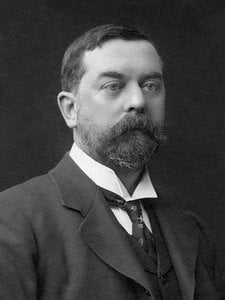
1856 - 1925 , Italia
Discover the luminous mastery of John Singer Sargent. Explore an expert analysis of his legendary light, Gilded Age elegance, and technical brilliance, perfect for fine art enthusiasts seeking to bring timeless classical beauty into their modern collections.

Discover the breathtaking elegance of John Singer Sargent's masterpieces. From iconic Gilded Age portraits to impressionistic landscapes, explore the technical brilliance and timeless allure of this American master through our premium, hand-painted fine art reproductions.

 Katso seinällä
 Lähetä
 Jaa
Jaa
 Tarkemmat tiedot
 Opas
Opas

 Lataa kuva
 Samanlaisia kohteita
 Röntgenkuvaus
 Diaesitys
 Tilastot
 Lue lisää







 Lasivaihtoehto on saatavilla vain alle 110 cm kokoisille teoksille


