

Tällä sivulla esitettyä taideteosta suojaa tekijänoikeuslaki, mikä tarkoittaa, ettemme voi laillisesti luoda tai myydä täsmälleen samanlaista jäljennöstä. Tämä suoja toteutetaan kansainvälisten sopimusten, kuten esimerkiksi Berne-konventio ja kansallisilla laeilla, mukaan lukien niillä määritellyt Yhdysvaltain tekijänoikeuslaki – Luku 17. Kaikki oikeudet pidätetään. Luvaton kopiointi tai jäljittely on kielletty.
Tämä menetelmä noudattaa täysin tekijänoikeussäännöksiä, sillä se ei sisällä suojatun taideteoksen kopioimista tai jäljentämistä. Sen sijaan kyseessä on luova uudelleentulkinta – uusi maalaus, joka ammentaa vaikutteita alkuperäisestä, mutta ei ole sen identtinen kopio.
Museolaatuisia giclée- tai kankaitaulun tulosteita nopealla tuotannolla ja joustavilla viimeistelyvaihtoehdoilla. ( Tilaa käsinmaalattu jäljennös Siirry digitaaliseen kuvaan)
Valitse valmiista mitoistamme sellaiset, jotka vastaavat teoksen alkuperäisiä mittasuhteita.

Kirjoita tarvitsemasi leveys ja korkeus, jotta tuloste sopii kehyskokoon tai seinällesi. Tulostetta voidaan vain leikata, sitä ei voi koskaan tehdä suuremmaksi kuin alkuperäinen kuva, joten eri muotoinen koko aiheuttaa osan kuvasta katoamisen. Lähetämme sinulle digitaalisen mallikuvan hyväksyttäväksi ennen kuin aloitamme tulostuksen. Tällä sivulla näkyvä kuva ei näytä lopullista leikkausta — vain mallikuva näyttää sen.
Maailmanlaajuinen toimitus () 2 viikossa tavallisen 4–5 viikon sijaan. (24 lokakuu)
Pegasus
Replikaatin koko
In the landscape of late twentieth-century art, few figures loom as large or as provocatively as Jean-Michel Basquiat. His 1987 masterpiece, Pegasus, serves as a visceral window into the mind of an artist who bridged the gap between the gritty streets of New York City and the hallowed halls of high art. The work is a breathtaking explosion of energy, characterized by a dense, almost claustrophively layered composition that captures the pulse of the 1980s urban experience. At first glance, the viewer is met with a chaotic symphony of white space interrupted by an intricate web of scribbled lines, geometric shapes, and cryptic text fragments. It is a piece that does not merely sit on a wall; it vibrates with a restless, intellectual urgency that demands the observer's full attention.
The composition is masterfully disorienting, eschewing traditional perspective in favor of a flattened, multi-dimensional plane where every mark carries equal weight. This lack of a singular focal point forces the eye to wander, much like a wandering thought, through a labyrinth of squares, triangles, and circles. The palette is strikingly disciplined, relying heavily on a monochromatic foundation of stark black and brilliant white, punctuated only by subtle, earthy hints of brown and red. This restraint prevents the visual noise from becoming overwhelming, instead directing the viewer's focus toward the raw, tactile quality of the medium—a blend of acrylic paint, oil stick, and ink that suggests a spontaneous, improvisational dance between the artist and the canvas.
Emerging from this whirlwind of symbols is the central figure: the Pegasus. Rendered in a simplified, almost primal style, the winged horse acts as a powerful anchor amidst the surrounding frenzy. In classical mythology, Pegasus represents inspiration, poetic genius, and the ability to transcend the earthly realm. Within the context of Basquiat’s work, this mythical creature takes on a deeper, more complex layer of meaning. Surrounded by anatomical references, textual fragments, and street-art aesthetics, the Pegasus becomes a symbol of aspiration—a desperate, beautiful attempt to find flight and transcendence amidst the overwhelming noise of modern existence.
The interplay between the text and the imagery creates a narrative that feels both ancient and contemporary. The scribbled words and symbols function as a visual language of social commentary, echoing Basquiat's roots in the SAMO graffiti movement. There is an inherent tension here: the struggle between the desire for intellectual clarity and the inescapable chaos of the human condition. For the collector or interior designer, this piece offers more than just aesthetic beauty; it provides a profound emotional resonance. It captures that universal feeling of anxiety and excitement, making it a commanding centerpiece for any space that seeks to celebrate the raw power of human creativity and the enduring quest for meaning.
For those looking to curate a collection defined by depth and historical significance, Pegasus stands as an essential acquisition. As a high-quality reproduction, this artwork brings the transformative energy of Neo-Expressionism into the contemporary home or gallery. The piece is particularly suited for sophisticated interiors where a bold, conversational element is desired—places where the interplay of light and shadow can highlight the simulated textures of oil stick and acrylic. It serves as a testament to Basquiat's enduring legacy, offering a tactile connection to an era of unparalleled artistic revolution.
"Pegasus" vivahtaa Ochre to Sepia sävyyn.
Teoksessa Jean Michel Basquiat:n "Pegasus" on Bold kontrasti vaaleiden ja tummien alueiden välillä.
Teoksen Jean Michel Basquiat:n "Pegasus" värit ilmentävät Muted kylläisyyttä ja Balanced voimakkuutta.


1960 - 1988 , Yhdysvallat

Embark on a visual journey through the romantic world of horse carriage art. Discover the mastery of equestrian oil paintings, from Impressionist textures to classical realism, and learn how to bring timeless elegance into your home with museum-quality reproductions.

Discover the profound power of Expressionist art. From the raw intensity of Edvard Munch to the visceral textures of Neo-Expressionism, explore how subjective emotion and distorted reality define this movement. An expert guide for discerning collectors seeking depth and soul in fine art.

Explore the profound evolution of Neo-Abstract art. Discover how bold geometric forms, vibrant chromatic depth, and tactile textures redefine modern expression for the discerning collector seeking sophisticated, high-impact masterpieces for contemporary interiors.

Explore the profound artistry of black and white photography. From historical mastery to the interplay of light and shadow, discover how monochrome captures timeless emotion and form through a sophisticated lens of art history.
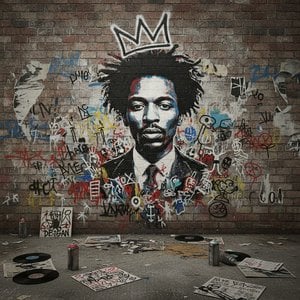
Explore the raw energy of Jean-Michel Basquiat and Neo-Expressionism. Discover how urban rebellion redefined modern art through a lens of luxury, identity, and profound emotional intensity for the discerning collector.

 Katso seinällä
 Lähetä
 Jaa
Jaa
 Tarkemmat tiedot
 Opas
Opas

 Lataa kuva
 Samanlaisia kohteita
 Röntgenkuvaus
 Diaesitys
 Tilastot

 Lue lisää






































 Lasivaihtoehto on saatavilla vain alle 110 cm kokoisille teoksille


