

Käsinmaalattu öljyväri kankaalle haluamassasi koossa ja kehyksissä, taiteilijoidemme valmistamana tilauksesta. ( Vaihda tulosteeseen Siirry digitaaliseen kuvaan)





























Valitse valmiista mitoistamme sellaiset, jotka vastaavat teoksen alkuperäisiä mittasuhteita.

Voit syöttää omat mitat sopimaan tiettyyn kehykseen tai tilaan. Jos valitsemasi koko ei vastaa alkuperäisen kuvan mittasuhteita, rajaamme taideteoksen tai jatkamme maalausta käsin maalatuilla elementeillä. Digitaalinen esikatselu lähetetään hyväksyttäväksi ennen tuotannon aloittamista.
Huomioithan, että näytöllä oleva esikatselu ei vastaa todellista rajausta tai jatkamista. Vain digitaalinen mallikuva näyttää lopullisen sommittelun tarkasti.
Vaikka mittatilaustyöt ovat mahdollisia, suosittelemme valitsemaan mitan ennalta määritetystä listasta alkuperäisten mittasuhteiden säilyttämiseksi.
Maailmanlaajuinen toimitus () 3–4 viikossa tavallisen 5 viikon sijaan. (21 syyskuu). Laadusta ei tingitä.


Le Christ agonissant
Replikaatin koko
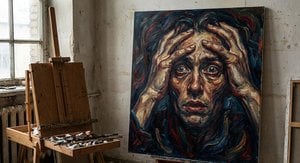
James Ensor's Le Christ Agonissant (The Anguishing Christ) is not merely a depiction of the crucifixion; it is a profound and unsettling plunge into the depths of human suffering, rendered with a visceral intensity that continues to resonate with viewers over a century after its creation. Painted in oil on canvas around 1896, this monumental work exemplifies Ensor’s unique artistic vision – one characterized by a preoccupation with psychological states, masked figures, and a distinctly macabre aesthetic. The painting's scale alone commands attention, immediately drawing the viewer into the heart of the scene, where the agony of Christ is presented not as a pious spectacle but as a raw, almost unbearable experience.
Born in Ostend, Belgium, in 1860, James Ensor was profoundly shaped by his upbringing amidst a vibrant yet unsettling environment. His father, an English merchant, and his mother, a Belgian artist, provided him with a unique cultural perspective – one that fostered both curiosity and a deep awareness of the darker aspects of human nature. The souvenir shop operated by his parents, filled with carnival masks, shells, and other curiosities, served as a constant source of inspiration, fueling his fascination with disguise, illusion, and the hidden emotions beneath the surface. This influence is strikingly evident in Le Christ Agonissant, where figures are often obscured or distorted, suggesting a world of psychological turmoil rather than literal representation.
The painting’s symbolism is layered and deliberately ambiguous. The surrounding figures – men and women with averted gazes, some weeping, others seemingly indifferent – represent the diverse reactions to suffering that Ensor observed in society. Their masks, subtly incorporated into their faces, reinforce the theme of disguise and the difficulty of truly confronting pain. The overall atmosphere is one of profound isolation and despair, reflecting Ensor’s own anxieties about mortality, illness, and the perceived corruption of modern life. The red hues are not simply representative of blood; they symbolize passion, violence, and the consuming nature of suffering.
Le Christ Agonissant was created during a period of significant social and artistic upheaval in Europe. The late 19th century witnessed rapid industrialization, urbanization, and a growing sense of alienation – themes that resonated deeply with Ensor’s work. His painting aligns with the Symbolist movement's rejection of realism and its exploration of subjective experience. Ensor’s unflinching portrayal of suffering established him as a pivotal figure in 20th-century art, influencing generations of artists who sought to challenge conventional representations of religious themes and explore the darker recesses of the human psyche. The painting remains a powerful testament to Ensor's artistic genius and his ability to evoke profound emotional responses through his unsettling yet captivating imagery.


1860 - 1949 , Belgia

Discover the raw emotion of Symbolic Expressionism. Our expert guide explores how masters like Munch use color and form to convey inner feelings, offering inspiration for collectors looking to bring powerful, soulful art into their modern homes.

Explore the unsettling yet captivating world of James Ensor, a pioneer of Expressionism. Discover his satirical masterpieces, symbolic imagery & lasting influence on modern art. High-quality reproductions available at WahooArt.

Tutustu James Abbott McNeill Whistlerin 25 vaikuttavinta mestariteosta! Uppoudu amerikkalaisen impressionismin maailmaan, tunnelmallisiin nocturneihin ja upeisiin muotokuviin. Löydä inspiraatiota sisustukseen WahooArt.comista – taidekopiot museolaadulla. Explore the full collection online!

Tutustu Sir Alfred James Munningsin 25 lumoavinta mestariteosta! Uppoudu brittiläisen maalaisidyllin ja hevosmaalausten maailmaan. Löydä inspiraatiota kotiisi WahooArt.com:ista – taideprintit museolaadulla.
Explore the powerful world of Figurative Expressionism with WahooArt. Discover key artists like Kirchner & Beckmann, understand its emotional depth, and learn how to collect this influential 20th-century art movement.

 Katso seinällä
 Lähetä
 Jaa
Jaa
 Tarkemmat tiedot
 Opas
Opas

 Lataa kuva
 Samanlaisia kohteita
 Röntgenkuvaus
 Diaesitys
 Tilastot

 Lue lisää







 Lasivaihtoehto on saatavilla vain alle 110 cm kokoisille teoksille


