

Museolaatuisia giclée- tai kankaitaulun tulosteita nopealla tuotannolla ja joustavilla viimeistelyvaihtoehdoilla. ( Tilaa käsinmaalattu jäljennös Siirry digitaaliseen kuvaan)





























Valitse valmiista mitoistamme sellaiset, jotka vastaavat teoksen alkuperäisiä mittasuhteita.

Kirjoita tarvitsemasi leveys ja korkeus, jotta tuloste sopii kehyskokoon tai seinällesi. Tulostetta voidaan vain leikata, sitä ei voi koskaan tehdä suuremmaksi kuin alkuperäinen kuva, joten eri muotoinen koko aiheuttaa osan kuvasta katoamisen. Lähetämme sinulle digitaalisen mallikuvan hyväksyttäväksi ennen kuin aloitamme tulostuksen. Tällä sivulla näkyvä kuva ei näytä lopullista leikkausta — vain mallikuva näyttää sen.
Maailmanlaajuinen toimitus () 2 viikossa tavallisen 4–5 viikon sijaan. (18 lokakuu)
Carnival in Flanders
Replikaatin koko
James Ensor's “Carnival in Flanders,” painted in 1931, isn’t merely a depiction of a Belgian fête; it’s a meticulously crafted psychological portrait rendered in oil on canvas—a testament to the artist’s unwavering fascination with unsettling imagery and social critique. Created during the height of Expressionism, this artwork transcends its surface appearance, inviting viewers into a darkly humorous contemplation of human behavior and societal anxieties.
Symbolism & Emotional Impact: The central figure, holding an umbrella amidst a throng of others, embodies both vulnerability and defiance. Surrounding him are six umbrellas – a visual motif that Ensor frequently utilized to represent protection from external forces and the illusion of control. Notably, perched atop one of the figures is a bird—a symbol of freedom yet also of fragility, mirroring the precariousness of human existence within the spectacle of carnival.
Ensor’s masterful use of color contributes significantly to the artwork's emotional resonance. Dominant hues of crimson and ochre clash dramatically against muted browns and greens, creating a visual tension that mirrors the psychological turmoil depicted in the scene. The artist’s deliberate distortion of perspective further enhances this unsettling effect, immersing viewers in an atmosphere of disorientation and unease.
A reproduction of “Carnival in Flanders” offers an opportunity to engage with Ensor's profound artistic insights—a captivating glimpse into a world where joy masks despair and spectacle conceals unsettling truths. Its enduring power lies in its ability to provoke contemplation and challenge conventional perceptions of beauty and morality.
James Ensor:n "Carnival in Flanders"-teoksessa käytetään Neutrals väripalettia, jossa Gray (#899095) on hallitseva väri.
Teoksen James Ensor:n "Carnival in Flanders" tekniikka on Acrylic On Canvas. Vedosten tavoitteena on jäljitellä tämän tekniikan ulkoasua.
Suositeltu yhdistelmä teokselle James Ensor:n "Carnival in Flanders": Large kokoinen vedos tilaan Living Room.


1860 - 1949 , Belgia

Discover the profound power of Expressionist art. From the raw intensity of Edvard Munch to the visceral textures of Neo-Expressionism, explore how subjective emotion and distorted reality define this movement. An expert guide for discerning collectors seeking depth and soul in fine art.
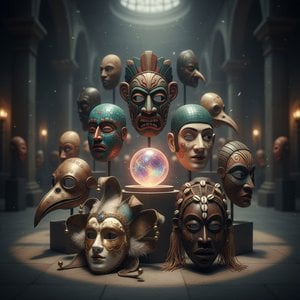
Embark on a profound journey through the world's most iconic mask artworks. Explore the spiritual depth, intricate craftsmanship, and rich cultural heritage of global traditions, from Chhau to Gomira, in this expert-led exploration of ancestral artistry and symbolic beauty.

 Katso seinällä
 Lähetä
 Jaa
Jaa
 Tarkemmat tiedot
 Opas
Opas

 Lataa kuva
 Samanlaisia kohteita
 Röntgenkuvaus
 Diaesitys
 Tilastot
 Lue lisää









 Lasivaihtoehto on saatavilla vain alle 110 cm kokoisille teoksille


