Katso seinällä Esikatsele AR-tilassa Vaihda tulosteeseen Siirry digitaaliseen kuvaan Lähetä
Tarkemmat tiedot Opas Lisää suosikkeihin Lataa kuva Samanlaisia kohteita Röntgenkuvaus Diaesitys Tilastot

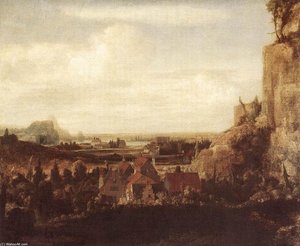
Two Trees

Explore Hercules Seghers' masterpiece 'Two Trees,' a stunning baroque etching depicting two majestic trees against a serene blue sky, housed at the Rijksmuseum in Amsterdam.

Löydä Hercules Seghers (1590-1638), hollanninkulta-ajan taidemaalari ja grafiikan tekijä! Tutustu hänen innovatiivisiin maisemiinsa, kokeileviin tekniikoihinsa ja ainutlaatuiseen taiteelliseen visioonsa.

Käsinmaalattu öljyvärinen jäljennös

Käsinmaalattu öljyväri kankaalle haluamassasi koossa ja kehyksissä, taiteilijoidemme valmistamana tilauksesta. ( Vaihda tulosteeseen Siirry digitaaliseen kuvaan)

Corner sample of the P118B picture frame: valettu polystyreeni, 5 cm wide and 3 cm thick
P118B 10
Corner sample of the P118H picture frame: valettu polystyreeni, 5 cm wide and 3 cm thick
P118H 10
Corner sample of the P118W picture frame: valettu polystyreeni, 5 cm wide and 3 cm thick
P118W 10
Corner sample of the P438Z picture frame: valettu polystyreeni, 5.5 cm wide and 3.5 cm thick
P438Z 10
Corner sample of the P508JH picture frame: valettu polystyreeni, 7 cm wide and 3.5 cm thick
P508JH 12
Corner sample of the P508YH picture frame: valettu polystyreeni, 7 cm wide and 3.5 cm thick
P508YH 12
Corner sample of the P805H picture frame: valettu polystyreeni, 5 cm wide and 3.5 cm thick
P805H 10
Corner sample of the P805Z picture frame: valettu polystyreeni, 5 cm wide and 3.5 cm thick
P805Z 10
Corner sample of the P919BZ picture frame: valettu polystyreeni, 7 cm wide and 3.5 cm thick
P919BZ 10
Corner sample of the P919G picture frame: valettu polystyreeni, 7 cm wide and 3.5 cm thick
P919G 10
Corner sample of the P919XJ picture frame: valettu polystyreeni, 7 cm wide and 3.5 cm thick
P919XJ 10
Corner sample of the P959ZH picture frame: valettu polystyreeni, 5 cm wide and 3 cm thick
P959ZH 10
Corner sample of the P968JZ picture frame: valettu polystyreeni, 6 cm wide and 4 cm thick
P968JZ 12
Corner sample of the W106C picture frame: massiivipuu, 5 cm wide and 3 cm thick
W106C 8
Corner sample of the W218G picture frame: massiivipuu, 5 cm wide and 3 cm thick
W218G 10
Corner sample of the W218JH picture frame: massiivipuu, 5 cm wide and 3 cm thick
W218JH 8
Corner sample of the W218Y picture frame: massiivipuu, 5 cm wide and 3 cm thick
W218Y 10
Corner sample of the W307PJ picture frame: massiivipuu, 6 cm wide and 3 cm thick
W307PJ 10
Corner sample of the W316G picture frame: massiivipuu, 6 cm wide and 3 cm thick
W316G 10
Corner sample of the W316PJ picture frame: massiivipuu, 6 cm wide and 3 cm thick
W316PJ 8
Corner sample of the W316Y picture frame: massiivipuu, 6 cm wide and 3 cm thick
W316Y 10
Corner sample of the W398PJ picture frame: massiivipuu, 5 cm wide and 3 cm thick
W398PJ 8
Corner sample of the W4111J picture frame: massiivipuu, 6.5 cm wide and 3.5 cm thick
W4111J 10
Corner sample of the W500HY picture frame: massiivipuu, 7 cm wide and 5 cm thick
W500HY 15
Corner sample of the W500JH picture frame: massiivipuu, 7 cm wide and 5 cm thick
W500JH 15
Corner sample of the W692G picture frame: massiivipuu, 8 cm wide and 4 cm thick
W692G 12
Corner sample of the W849H picture frame: massiivipuu, 5 cm wide and 3 cm thick
W849H 8
Corner sample of the W940BG picture frame: massiivipuu, 7.5 cm wide and 4.5 cm thick
W940BG 15
Corner sample of the W953PJ picture frame: massiivipuu, 6 cm wide and 3.5 cm thick
W953PJ 8

Vakiokoko
mittatilaustyö
CM
INCH

Valitse valmiista mitoistamme sellaiset, jotka vastaavat teoksen alkuperäisiä mittasuhteita.

leveys
korkeus

Kirjoita tarvitsemasi leveys ja korkeus, jotta teos sopii kehyskehyksiisi tai seinällesi. Koska kyseessä on käsinmaalattu teos, taiteilija voi maalata hieman enemmän kuvan ympärille tai rajata sitä hieman, jos haluat eri muotoisen koon — valinta on sinun. Lähetämme sinulle digitaalisen mallikuvan hyväksyttäväksi ennen kuin maalaus alkaa. Tällä sivulla näkyvä kuva ei vastaa lopullista tulosta — vain mallikuva näyttää sen.

Esimerkkejä muokattavista asioista: Vaihda kasvot asiakkaan omaan valokuvaan; Lisää lemmikki (esim. korvaa kissa koiralla); Lisää taustalle piilotettu viesti; Muuta taustan maisemaa tai elementtejä.
Tilauksen jälkeen WahooArt.com -tiimi lähettää asiakkaalle sähköpostitse ohjeet ja esikatselukuvan.

Maailmanlaajuinen toimitus () 3–4 viikossa tavallisen 5 viikon sijaan. (22 lokakuu). Laadusta ei tingitä.

Ilmainen pikatoimitus ympäri maailman
Korkealaatuinen pellavakangas
Kattava kuljetusvakuutus
Tulliveron palautustakuu
Takuu täydellisestä värien vastaavuudesta
100 päivän palautusoikeus valmistusvirhetapauksissa
100% rahat takaisin -takuu
Määräalennus saatavilla

Kokonaishinta

€ 238

Two Trees

Reproduktiotapa

Replikaatin koko

-

Kokonaishinta

€ 238

Pikaista tietoa

  • Year: 1625
  • Notable elements or techniques: Innovative printmaking
  • Location: Rijksmuseum, Amsterdam
  • Subject or theme: Trees and Woods
  • Dimensions: 155 x 173 cm
  • Artistic style: Landscape

Taidevisakysely

Jokaisessa kysymyksessä on vain yksi oikea vastaus.

Kysymys 1:
What artistic movement is Hercules Seghers’s ‘Two Trees’ associated with?
Kysymys 2:
Where is the painting 'Two Trees' currently housed?
Kysymys 3:
What technique did Hercules Seghers primarily employ in creating this artwork?
Kysymys 4:
The etching 'Two Trees' exemplifies a characteristic feature of landscape painting during the Golden Age of Dutch Art. What is that feature?
Kysymys 5:
Who was Hercules Seghers’s influential teacher in landscape painting?

Hercules Seghers’ Two Trees: A Vision of Tranquility Amidst Alpine Majesty

Hercules Pieterszoon Seghers (1590 – c. 1638) stands as a singular figure in the Dutch Golden Age landscape tradition, celebrated for his audacious experimentation with printmaking and his ability to capture the sublime beauty of mountainous vistas. “Two Trees,” created around 1625, exemplifies this distinctive approach—a masterful etching that transcends mere depiction to convey an atmosphere of profound serenity and spiritual contemplation.

The artwork presents a meticulously rendered scene featuring two trees positioned prominently in the center of the composition. One tree is mature and robust, its branches laden with dense foliage, while the other is younger, displaying delicate twigs emerging from the trunk—a subtle gesture hinting at regeneration and resilience. The trees are set against a backdrop of towering alpine peaks bathed in soft, diffused light, creating an illusion of depth that draws the viewer’s eye upwards into the expansive sky.

Seghers' technique is remarkable for its departure from conventional methods. Unlike many artists of his time who relied solely on black ink to achieve tonal effects, Seghers skillfully employed a combination of etching and aquatint—a process involving multiple plates inked with varying degrees of opacity—to produce nuanced gradations of color. The use of azurite and precipitated yellow lake pigments lends the image an ethereal quality, capturing the subtle hues of twilight and enhancing the overall impression of grandeur.

The etching’s historical context is crucial to understanding its significance. Produced during a period marked by intellectual ferment and artistic innovation—the Baroque era—“Two Trees” reflects the burgeoning interest in exploring themes of spirituality and contemplation within the natural world. Seghers' inspiration drew heavily from Flemish landscape painters like Abraham van Ouhibbee, who had pioneered the depiction of dramatic mountainscapes infused with religious symbolism.

More than just a visual representation of scenery, “Two Trees” embodies a philosophical stance rooted in humanist ideals. The tree imagery—particularly the young sapling—represents hope and renewal, mirroring the broader humanist preoccupation with the cyclical nature of life and the enduring power of beauty to uplift the human spirit. Its placement against the majestic Alps underscores the grandeur of God’s creation and invites viewers to contemplate the sublime.

Currently housed at the Rijksmuseum in Amsterdam, “Two Trees” remains a testament to Seghers' artistic genius—a timeless masterpiece that continues to inspire admiration for its technical virtuosity and emotional resonance. It serves as an enduring reminder of the Dutch Golden Age’s fascination with capturing the sublime beauty of nature and conveying profound spiritual truths.

Kysymykset ja vastaukset

Millaista kylläisyyttä ja intensiteettiä Hercules Seghers:n "Two Trees" edustaa?

Teoksen "Two Trees" värikylläisyys on Balanced Soft ja värin voimakkuus on Vivid.

Mistä "Two Trees" on tehty ja millä tyylillä?

"Two Trees" on valmistettu Etching, ja se edustaa Baroque-tyyliä.

Voinko nähdä teoksen Hercules Seghers:n "Two Trees" eri valaistuksissa?

Hercules Seghers:n "Two Trees" -teoksen röntgennäkymä löytyy teoksen X-säteily -sivulta: interaktiivinen tutkimusmatka kuvaan yhdenentoista optisen kerroksen läpi.


Taiteilijan elämäkerta

Hercules Seghers: Elämä maisemassa ja grafiikassa

  • Syntynyt: Haarlem, Alankomaat (n. 1590)
  • Kuollut: n. 1638

Varhaiset vuodet ja koulutus

  • Hercules Pieterszoon Seghers syntyi Haarlemissa, annettuna flamantilaisen mennoniittikankaan kauppiaan poikana.
  • Vuonna 1596 hänen perheensä muutti Amsterdamiin.
  • Hän aloitti oppipoikana Gillis van Coninxloon työssä, joka oli aikansa johtava flaamilainen maisemamaalari, mutta tämä opetus katkesi Coninxloon kuolemaan vuonna 1606. Seghers ja hänen isänsä hankkivat useita Coninxloon teoksia taiteilijan poismenon jälkeen.
  • Isänsä kuoltua vuonna 1612 hän palasi Haarlemiin ja liittyi Pyhän Luukkaan veljeskuntaan.

Taiteellinen kehitys ja tyyli

  • Seghers tunnetaan aikakausensa "inspiroituneimpana, kokeellisimpana ja alkuperäisimpänä maisemataiteilijana", ja hänet muistetaan erityisesti innovatiivisista grafiikan tekniikoistaan.
  • Hänen maalauksissaan esiintyy usein fantastisia vuoristomaisemia, joissa on laaja horisontaalinen näkymä, korostaen maata taivasta voimakkaammin.
  • Hän kokeili laajasti etsaukseen liittyviä menetelmiä, kuten kuivakärkeä, akvatinttia (mukaan lukien niin kutsuttu "sokerihappo"-tekniikka) ja muita tapoja luodakseen ainutlaatuisia tekstuuriefektejä.
  • Seghersin grafiikkaa leimaa värillisen paperin tai kankaan käyttö, värikkäät musteet sekä käsinmaalaus, mikä tekee teoksista usein pienoismaalauksia muistuttavia taideteoksia.
  • Hänen tyylissään on nähtävissä vaikutteita aikaisemmilta mestareilta, kuten Joos de Momperilta ja Gillis van Coninxloolta.

Merkittävät saavutukset ja innovaatiot

  • Innovatiivinen grafiikka: Seghersin merkittävin panos taiteeseen on hänen kokeelliset painotekniikkansa, erityisesti sokerihappo-akvatintti. Tämä tekniikka löydettiin myöhemmin uudelleen Englannissa.
  • Ainutlaatuiset maisemat: Hänen maisemansa tunnetaan karuudestaan, alkuperäisyydestään ja usein epätodellisesta, maailmallisesta laadustaan. Hän kuvasi kivimuodostelmia, jotka muistuttavat vierasta, kaukaisesta planeetasta tuttua maastoa.
  • Vaikutus Rembrandtille: Rembrandt keräsi Seghersin teoksia ja sisällytti elementtejä näistä maalauksista ja etsauksista omiin kompositioihinsa, mikä osoittaa Seghersin tyylin valtavan vaikutusvallan.
  • Monipuoliset vedokset: Toisin kuin monet aikansa grafiikan tekijät, Seghers tuotti jokaisesta laatasta useita eri vedoksia, vaihdellen niiden väriskaaloja ja lisäämällä käsinmaalausta luodakseen täysin uniikkeja taideteoksia.

Historiallinen merkitys

    Seghersin työtä arvostettiin korkealle hänen elinaikanaan, vaikka hän kohtasikin taloudellisia vaikeuksia myöhemmällä iällään.
  • Samuel van Hoogstratenin teos Inleyding tot de hooge schoole der schilderkonst romantisoi Seghersia väärinymmärrettynä neron hahmona, mikä vahvisti hänen mainettaan taiteilijana myös kuoleman jälkeen.
  • Häntä pidetään maisemagrafikan uranuurtajana ja tärkeänä hahmona hollantilaisen kultakauden aikana, tunnettuna kokeellisista tekniikoistaan ja ainutlaatuisesta taiteellisesta visiostaan.
  • Hänen vaikutuksensa näkyy myöhemmissä taiteilijoissa, jotka omaksuivat hänen innovatiiviset painomenetelmät ja arvostivat hänen omintakeista tyyliään.
Hercules Seghers

Hercules Seghers

1590 - 1638 , Alankomaat

Tietoa taiteilijasta

  • Artistic Movement Or Style: Hollannin kultakausi
  • Artists Or Movements Influenced By This Artist: ['Rembrandt']
  • Artists Who Influenced This Artist:
    • Gillis van Coninxloo
    • Joos de Momper
  • Date Of Birth: n. 1590
  • Date Of Death: n. 1638
  • Full Name: Hercules Pieterszoon Seghers
  • Nationality: Hollantilainen
  • Notable Artworks:
    • Vuoristomaisema
    • Vuorilaakso aidatuilla pelloilla
    • Suuri puu
  • Place Of Birth: Haarlem, Alankomaat