
Ilmainen taidekonsultointi

x
Tilaa painos Tilaa painosOsta kuva Osta kuva JaaJaa
TiedotTiedot Lisää suosikkeihin Lisää suosikkeihin LataaLataa SamanlaisiaSamanlaisia X-lähikuvaX-lähikuva DiaesitysDiaesitys

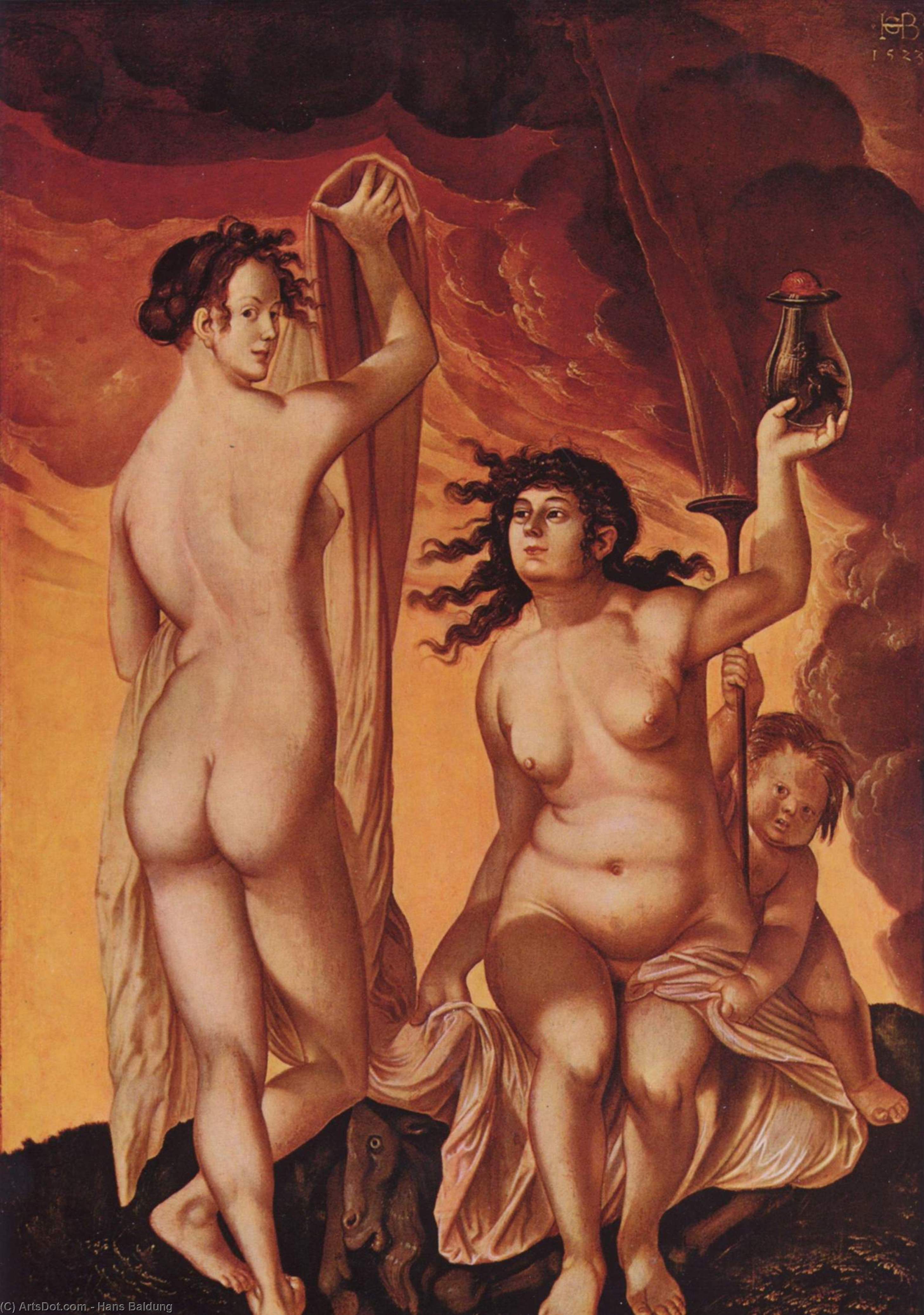
Two Witches

Discover the mystery of Hans Baldung's Two Witches, a vibrant Northern Renaissance scene featuring nude figures and ritualistic intrigue; bring this masterpiece home.

Hans Baldung (1485-1545): Saksan renessanssimaalari, tunnettu synkistä kuvistaan, noituuden ja kuoleman teemoista sekä Albrecht Dürerin vaikutuksesta. Uppoutu kiehtovaan taiteeseen!

Käsinmaalattu öljykopio

Käsinmaalattu öljyväri kankaalle haluamassasi koossa ja kehyksissä, taiteilijoidemme valmistamana tilauksesta.

P118B $10
P118H $10
P118W $10
P438Z $10
P508JH $12
P508YH $12
P805H $10
P805Z $10
P919BZ $10
P919G $10
P919XJ $10
P959ZH $10
P968JZ $12
W106C $8
W218G $10
W218JH $8
W218Y $10
W307PJ $10
W316G $10
W316PJ $8
W316Y $10
W398PJ $8
W4111J $10
W500HY $15
W500JH $15
W692G $12
W849H $8
W940BG $15
W953PJ $8

Standard
custom
CM
INCH

Valitse valmiista mitoistamme sellaiset, jotka vastaavat teoksen alkuperäisiä mittasuhteita.

leveys
korkeus

Voit syöttää omat mitat sopimaan tiettyyn kehykseen tai tilaan. Jos valitsemasi koko ei vastaa alkuperäisen kuvan mittasuhteita, rajaamme taideteoksen tai jatkamme maalausta käsin maalatuilla elementeillä. Digitaalinen esikatselu lähetetään hyväksyttäväksi ennen tuotannon aloittamista.
Huomioithan, että näytöllä oleva esikatselu ei vastaa todellista rajausta tai jatkamista. Vain digitaalinen mallikuva näyttää lopullisen sommittelun tarkasti.
Vaikka mittatilaustyöt ovat mahdollisia, suosittelemme valitsemaan mitan ennalta määritetystä listasta alkuperäisten mittasuhteiden säilyttämiseksi.

Esimerkkejä muutettavissa olevista asioista: Vaihda kasvot asiakkaan omaan valokuvaan; Lisää lemmikki (esim. korvaa kissa koiralla); Lisää piilotettu viesti taustaan; Muuta taustan maisemaa tai elementtejä.
Tilauksen jälkeen WahooArt.com -tiimi lähettää asiakkaalle ohjeet ja esikatselukuvan.

Maailmanlaajuinen toimitus () 3–4 viikossa tavallisen 5 viikon sijaan. (4 heinäkuu). Laadusta ei tingitä.

why_choose_icon
Ilmainen pikatoimitus ympäri maailman
why_choose_icon
Korkealaatuinen pellavakangas
why_choose_icon
Kattava kuljetusvakuutus
why_choose_icon
Tulliveron palautustakuu
why_choose_icon
Täydellinen värien vastaavuustakuu
why_choose_icon
60 päivän palautusoikeus (vain valmistusvirheet)
why_choose_icon
100% rahat takaisin -takuu
why_choose_icon
Määräalennus tarjous

Kokonaishinta

-

reproduction

Two Witches

Reproduktiotekniikka

Replikaatin koko

-

Kokonaishinta

-

Teoksen kuvaus

The painting "Two Witches" by Hans Baldung is a captivating work of art that showcases the artist's unique style and technique. Created in 1523, this Northern Renaissance masterpiece is a testament to Baldung's skill as a painter and printmaker. As a leading online platform specializing in handmade oil paintings reproductions, https://WahooArt.com offers a wide range of artworks, including the "Two Witches" by Hans Baldung.

Artist's Style and Technique

Hans Baldung was a German artist who was considered one of the most gifted students of Albrecht Dürer. Throughout his lifetime, Baldung developed a distinctive style, full of color, expression, and imagination. His talents were varied, and he produced a great and extensive variety of work, including paintings, prints, and drawings. The "Two Witches" is a prime example of Baldung's skill as a painter, with its intricate details and vibrant colors.

Painting Description

The painting depicts two women in the nude, with one woman sitting on the ground while the other stands behind her. The standing woman appears to be holding a vase or pitcher, possibly as part of a ritual or ceremony. Both women are positioned near each other and seem to be interacting with each other. In addition to the two main figures, there is another person in the background who seems to be observing the scene. The painting also features an interesting detail: a bird can be seen perched on one of the women's shoulders.
  • For more information about Hans Baldung and his artworks, visit https://WahooArt.com/@/Hans-Baldung
  • To view other Northern Renaissance paintings, check out /art/list/?Filter=northern+renaissance,northern,renaissance
Handmade oil paintings reproductions of famous artworks like the "Two Witches" by Hans Baldung are available at https://WahooArt.com. These reproductions are created by skilled artists who use high-quality materials to ensure that the final product is identical to the original painting.
The Alte Pinakothek in Munich, Germany, is home to many famous artworks, including paintings by Rogier Van Der Weyden and Hans Holbein The Younger. For more information about these artists and their works, visit https://WahooArt.com.

Taiteilijan elämäkerta

A Swabian Enigma: The Life and Early Influences of Hans Baldung Grien

Hans Baldung Grien (n. 1485 – syyskuu 1545) oli saksalainen renessanssiajan taidemaalari. Baldung oli Saksan uskonpuhdistusajan suurimpia mestareita Matthias Grünewaldin ohella. Baldung teki alttaritauluja ja muotokuvia, joissa on dramaattista ilmaisua. Baldungin omalaatuinen mielikuvitus näkyy hyvin synkissä ja usein aistillisia aiheita kuvaavissa puupiirroksissa. Baldung syntyi Schwäbisch Gmündissä, muutti 1492 Strasbourgiin ja opiskeli vuosina 1503–1507 Albrecht Dürerin johdolla Münchenissä. Lisänimen Grien hän sai oletettavasti juuri siellä. Freiburg im Breisgaussa vietetyn ajanjakson jälkeen Baldung palasi vuonna 1517 Strasbourgiin, jonka valtuuston jäsenenä hän kuoli vuonna 1545.
  • Early Life and Family: Born into a prosperous family of doctors and lawyers who had migrated to Strasbourg from Swabia in the 1490s, Baldung’s upbringing was markedly different from that of many Renaissance artists who followed established family crafts. His father, Johann Baldung, a respected jurist serving the Bishopric of Strasbourg, initially envisioned a similar path for his son – university studies. However, young Hans chose the brush and burin, embarking on an artistic journey that would distinguish him as one of the most distinctive figures of the German Renaissance. This decision wasn’t a rejection of his upbringing but rather a redirection of intellectual curiosity—a characteristic that permeated his entire oeuvre.
  • Early Training: Baldung's early training commenced around 1500 in the Upper Rhineland with an artist from Strasbourg, providing him with a foundational understanding of draftsmanship and composition. This initial period instilled within him a solid base for the rigorous artistic environment that awaited him in Nuremberg.

Under Dürer’s Wing and Forging an Individual Style

The pivotal moment in Baldung's development arrived in 1503 when he became a workshop apprentice to Albrecht Dürer in Nuremberg. This period proved profoundly formative, exposing him to the meticulous detail, intellectual rigor, and innovative printmaking techniques that defined Dürer’s style. The two artists developed a close relationship; Baldung even managed Dürer's workshop during his master’s sojourn to Venice. However, while deeply influenced by Dürer—evident in early works showcasing precise draftsmanship and Northern realism—Baldung quickly began to forge his own artistic identity. He absorbed the lessons of the Renaissance masters but infused them with a uniquely German sensibility, characterized by expressive color, imaginative compositions, and an increasingly unsettling psychological depth. This divergence from Dürer’s more classical approach would become a hallmark of Baldung's mature style. His time in Venice, overseeing Dürer’s affairs, also exposed him to the burgeoning Italian Renaissance art scene, broadening his artistic horizons and subtly influencing his palette and compositional choices. He returned from Italy with a heightened sense of color and a willingness to experiment with spatial arrangements that set him apart from his contemporaries.
  • Dürer’s Influence: Baldung's early works demonstrate a clear debt to Dürer, particularly in terms of draftsmanship and compositional structure.
  • Emergence of a Distinct Style: Despite the influence of his master, Baldung quickly developed a distinctive style characterized by dramatic lighting, unsettling imagery, and a focus on psychological intensity.

A Master of Many Mediums: Themes and Techniques

Hans Baldung Grien was an artist of remarkable versatility, proficient in painting, printmaking—particularly woodcuts and engravings—drawing, tapestry design, and even stained glass work. His paintings often feature small-scale works brimming with puzzling allegories and mythological narratives, rendered with a vibrant palette and a distinctive sense of spatial ambiguity. He excelled at portraiture, capturing the likenesses of his patrons with both realism and psychological insight. However, it is perhaps for his woodcuts that Baldung is most widely recognized today. These prints are characterized by their dramatic compositions, intricate detail, and often macabre subject matter. A recurring theme throughout his work is a fascination with witchcraft, death, and the supernatural—a reflection of the anxieties and beliefs prevalent in 16th-century Germany. His depictions of witches are particularly striking, portraying them not as stereotypical hags but as complex, even alluring figures, embodying both fear and fascination. *The Bewitched Groom*, for example, is a chillingly evocative work that encapsulates this preoccupation with the darker side of human experience. Baldung’s technique in woodcut was masterful; he exploited the medium's capacity for stark contrasts and intricate detail to create images that were both visually arresting and psychologically unsettling.
  • Painting: Baldung’s paintings are known for their dramatic lighting, expressive color palettes, and often allegorical or mythological subjects.
  • Printmaking: His woodcuts and engravings are characterized by intricate detail, dynamic compositions, and frequently macabre themes.

Reformation Currents and Lasting Legacy

Baldung’s career unfolded during a period of immense religious and political upheaval, marked by the rise of the Protestant Reformation. While not overtly aligned with any particular faction, his work often reflects the changing spiritual landscape of Germany. His monumental high altar for the city of Münster, completed in 1531, is a testament to this engagement, showcasing support for the reformation movement through its iconography and stylistic choices. In 1545, Baldung died in Strasbourg, leaving behind a body of work that continues to captivate and intrigue viewers today. His influence can be seen in the works of later German artists, and his unique blend of Renaissance technique, Northern expressionism, and allegorical complexity secures his place as a significant figure in art history. He remains an artist whose work invites contemplation, challenging us to confront the darker aspects of human nature and the mysteries of the unseen world. His exploration of themes like witchcraft and mortality continues to resonate with contemporary audiences, making him a timeless and compelling figure in the pantheon of Renaissance masters.
  • Religious Context: Baldung’s work reflects the anxieties and uncertainties of the Reformation era.
  • Lasting Influence: His distinctive style has influenced subsequent generations of German artists.

Museums and Collections

Baldung’s works can be found in prominent museums across Europe and North America:
  • Gemäldegalerie Alte Meister, Dresden, Germany: This renowned museum houses a significant collection of European paintings from the 15th to the 18th centuries, providing valuable context for understanding Baldung’s artistic milieu.
  • National Gallery of Art, Washington D.C.: The NGA holds several important woodcuts and drawings by Baldung, offering insights into his printmaking techniques and artistic process.
  • The J. Paul Getty Museum, Los Angeles: Features works that showcase the breadth of Baldung’s talent.
  • Kunstmuseum Basel, Switzerland: A museum with a rich collection spanning various periods, offering a broader understanding of Renaissance art in Europe.
These institutions provide opportunities to experience firsthand the captivating artistry and enduring legacy of Hans Baldung Grien.
Hans Baldung Grien

Hans Baldung Grien

1485 - 1545 , Saksa

Pikatiedot

  • Artistic Movement Or Style: Renessanssi, Mannerismi
  • Artists Or Movements Influenced By This Artist: ['Myöhemmät saksalaiset taiteilijat']
  • Artists Who Influenced This Artist: ['Albrecht Dürer']
  • Date Of Birth: c. 1485
  • Date Of Death: 1545
  • Full Name: Hans Baldung Grien
  • Nationality: Saksa
  • Notable Artworks:
    • Bewitched Groom
    • Kolme naisen ikää
  • Place Of Birth: Schwäbisch Gmünd, Saksa
Tutustu teoksiin, jotka on järjestetty aiheiden, tyylien ja ominaisuuksien mukaan.



































