Katso seinällä Esikatsele AR-tilassa Vaihda tulosteeseen Tilaa käsinmaalattu jäljennös Lähetä
Tarkemmat tiedot Opas Lisää suosikkeihin Lataa kuva Samanlaisia kohteita Röntgenkuvaus Diaesitys Tilastot

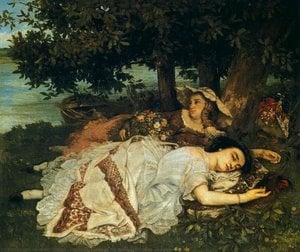
The Hammock

Gustave Courbet’s ‘The Hammock,’ a serene depiction of rural life during the Realist movement, captures a woman resting peacefully amidst lush greenery and soaring birds—a testament to his uncompromising vision of unfiltered observation.

Gustave Courbet (1819-1877): Realismin pioneeri. Tutustu maalauksiin tavallisen ihmisen elämästä ja työelämästä, kuten 'Kylän hautajaisiin Ornansissa'. Löydä hänen vallankumouksellinen vaikutuksensa 1800-luvun taiteeseen.

Osta korkearesoluutioinen, parannettu digitaalikuva, joka on laadultaan huomattavasti parempi kuin verkkosivuston esikatselu.

Jokainen tiedosto valmistellaan huolellisesti omien asiantuntijoidemme toimesta käyttäen edistyneitä työkaluja ja ammattitaitoista manuaalista retusointia. Varmistamme, että jokaisessa kuvassa on poikkeuksellinen selkeys, tarkka värintoisto ja hienovaraiset yksityiskohdat.

Lopputiedosto toimitetaan sähköpostitse 72 tunnin kuluessa, ja se on optimoitu välittömään käyttöön ammattimaisissa, toimituksellisissa ja painoympäristöissä. Laatu on sama, johon huipputason suunnittelustudiot, kustantajat ja galleriat luottavat.

Digitaalinen kuva

Lataa korkearesoluutioinen tiedosto henkilökohtaiseen näyttelyyn, tulostamiseen ja luoviin projekteihin. ( Vaihda tulosteeseen Tilaa käsinmaalattu jäljennös)

Kokonaishinta

$ 24,90

Sisältyy jokaiseen digitaalisen kuvan tilaukseen

Asiantunteva digitaalinen toimitus, laatu taattu

Kun valitset WahooArt.com-palvelun, et saa vain kuvaa – saat ammattimaisesti viimeistellyn digitaalisen taideteoksen, joka on luotu tarkkuudella ja jonka takaa tulee tyytyväisyystakuu. Tässä on kaikki, mitä tilauksesi sisältää, automaattisesti:

shipping_icon
Nopea sähköpostitoimitus

Saat korkearesoluutioisen digitaalisen kuvatiedostosi sähköpostiisi 72 tunnin kuluessa tilauksesta – valmiina käytettäväksi välittömästi.

canvas_icon
Tekoälyllä optimoitu digitaalinen tiedosto

Teoksesi on optimoitu ammattimaisesti edistyneiden tekoälytyökalujen ja manuaalisen jälkikäsittelyn avulla, mikä takaa maksimaalisen yksityiskohtaisuuden, selkeyden ja väritarkkuuden.

insurance_icon
Ilmainen elinikäinen uudelleenlähetys

Oletko vahingossa poistanut tai kadottanut tiedostosi? Ei hätää – lähetämme sen sinulle uudelleen milloin tahansa täysin maksutta.

tax_icon
Ei tuontimaksuja – koskaan

Nauti taiteestasi välittömästi ilman tullimaksuja, veroja tai toimituskuluja – digitaaliset lataukset ovat aina verovapaita.

color_icon
Värintoiston tarkkuustakuu

Varmistamme, että digitaalinen kuvasi vastaa alkuperäisiä värejä mahdollisimman tarkasti käyttämällä ammattilaistason työkaluja ja värinhallintaa.

return_icon
100 päivän tyytyväisyystakuu

Jos et ole tyytyväinen digitaaliseen kuvaasi, muokkaamme sitä tai palautamme 100% hinnan 100 päivän kuluessa – kysymystä ei esitetä.

guarantee_icon
100% Rahat takaisin -takuu

Et ole tyytyväinen? Saat täyden hyvityksen 100 päivän kuluessa digitaalisen tiedostosi vastaanottamisesta – kysymystä ei esitetä.

discount_icon
Suurtilaaja-alennukset

Osta 3 kuvaa, säästä 10% - Osta 5, säästä 15% - Osta 10+, säästä 20%. Erinomainen valinta luoviin projekteihin, gallerioille ja toimistoille.

Pikaista tietoa

  • Subject or theme: Domestic tranquility
  • Influences: Romanticism
  • Location: Private Collection
  • Notable elements or techniques: Detailed observation; Naturalistic rendering
  • Artist: Gustave Courbet
  • Artistic style: Impressionistic tendencies

A Moment of Tranquility Captured: Gustave Courbet’s “The Hammock”

Gustave Courbet’s “The Hammock,” painted circa 1869-70, stands as a cornerstone of Realism—a movement that deliberately rejected the romanticized fantasies and idealized depictions favored by its predecessors. More than just a depiction of a simple outdoor scene, this canvas embodies Courbet's radical ambition to portray life as it truly is: unvarnished, honest, and devoid of embellishment.

  • Subject Matter: The painting centers around a woman reclining on her stomach in a hammock strung between two trees. This seemingly unassuming pose speaks volumes about Courbet’s desire to capture everyday life—a stark contrast to the grand narratives championed by Romantic artists who often staged heroic figures against dramatic backgrounds.
  • Style & Technique: Courbet employed a meticulous technique characterized by thick impasto – applying paint in heavy, textured layers. This approach wasn't merely stylistic; it was fundamentally driven by Courbet’s belief that painting should faithfully reproduce the materiality of its subject matter. The visible brushstrokes convey a palpable sense of immediacy and contribute to the painting’s overall textural richness.

Historical Context: Challenging Artistic Conventions

Painted during a period of significant social upheaval in France—marked by industrialization, urbanization, and growing anxieties about societal change—Courbet's work directly confronted the artistic establishment. The École des Beaux-Arts, dominated by conservative tastes, favored idealized portraits and mythological subjects. Courbet deliberately rejected these conventions, arguing that art should reflect the realities of ordinary people’s lives.

  • Reaction to Romanticism: Courbet's refusal to adhere to Romantic ideals represented a decisive break from artistic tradition. He famously declared, “I do not depict what I see; I paint what I feel,” encapsulating his commitment to emotional truthfulness and rejecting the sentimental clichés of Romantic art.
  • Social Commentary: Beyond stylistic rebellion, “The Hammock” subtly engages in social commentary. The woman’s relaxed posture suggests a rejection of societal pressures and expectations—a quiet assertion of independence within the confines of domestic life.

Symbolism & Observation: Details That Speak Volumes

Despite its apparent simplicity, “The Hammock” is replete with symbolic elements. The birds circling overhead represent freedom and aspiration—a visual counterpoint to the woman’s stillness. Courbet's unwavering attention to detail—the dappled sunlight filtering through the leaves, the subtle variations in color—underscores his belief that observation is paramount to artistic expression.

  • The Hammock Itself: The hammock symbolizes rest and tranquility, but also represents vulnerability and exposure. Courbet’s careful depiction of its weave highlights the materiality of the scene, grounding it firmly in the tangible world.
  • Color Palette: Courbet utilized a muted color palette dominated by earthy tones—greens, browns, and yellows—creating an atmosphere of serenity and reflecting the natural surroundings. These colors contribute to the painting’s emotional impact, conveying a sense of peace and contentment.

Emotional Impact & Legacy

"The Hammock" continues to resonate with viewers today because it captures something profoundly human: the desire for respite from the pressures of daily life. Courbet’s unflinching realism—coupled with his masterful technique—transformed painting into a vehicle for conveying emotional truthfulness. It stands as a testament to the enduring power of observation and the importance of portraying life authentically, cementing Courbet's place as one of the most influential artists of the Realist movement.


Taiteilijan elämäkerta

A Rebel’s Brush: The Life and Legacy of Gustave Courbet

Jean Désiré Gustave Courbet (1819-1877) was a transformative figure in the history of art, recognized as one of the foremost champions of Realism and an uncompromising voice for artistic liberty. His journey from humble beginnings in Ornans, France, to international acclaim wasn’t merely about mastering brushstrokes; it was fueled by a profound conviction that art should reflect the realities of everyday life – unidealized, honest, and imbued with social significance. Growing up amidst a burgeoning bourgeois family instilled in him a certain appreciation for material comfort, yet his artistic spirit demanded something more substantial: an unflinching gaze upon the world as it truly existed.

Early Influences and Artistic Training

Courbet’s formative years were marked by encouragement from his mother to pursue his passions for drawing and painting – a nurturing that would prove pivotal in shaping his artistic trajectory. Unlike many artists of his time who received aristocratic patronage, Courbet benefited from modest familial support, allowing him to enroll at the École des Beaux-Arts in Paris in 1839. However, he quickly recognized the limitations imposed by the academy’s rigid academic conventions and Romantic idealism. While acknowledging influences from Eugène Delacroix and Théodore Géricault – artists who explored dramatic narratives and emotional intensity – Courbet deliberately distanced himself from these approaches, prioritizing observation over imagination and striving for accuracy above all else. He sought to capture the essence of his subjects with meticulous detail, rejecting the embellishments characteristic of earlier artistic traditions.

The Birth of Realism: Challenging Artistic Conventions

Courbet’s artistic breakthrough arrived through a rejection of prevailing aesthetic standards. He wasn't captivated by mythological tales or heroic portrayals; instead, he turned his attention to the lives of ordinary people – laborers, peasants, and rural artisans – subjects largely ignored by the art establishment. This decision wasn’t merely stylistic; it represented a fundamental assertion about the dignity inherent in these marginalized communities. His early canvases explored landscapes and portraits, but soon focused on scenes depicting working-class life on an ambitious scale previously reserved for monumental historical paintings. Critics initially scorned his uncompromising realism, perceiving it as vulgar and lacking in artistic merit. Yet, Courbet steadfastly defended his vision, arguing that art should serve as a mirror to society – reflecting its complexities and contradictions without resorting to sentimental illusions. The Stone Breakers (1849), tragically destroyed during World War II, stands as an enduring emblem of this commitment to portraying the harsh realities of labor with unflinching honesty.

Major Works and Artistic Philosophy

Courbet’s artistic philosophy extended beyond subject matter to encompass technique. He championed a direct approach – applying paint thickly onto the canvas (impasto) – that emphasized the materiality of the medium itself. This method allowed him to convey texture and depth, capturing the physicality of his subjects with remarkable precision. His monumental canvases like A Burial at Ornans (1850-51), depicting a solemn funeral procession in his hometown, provoked considerable controversy due to their sheer size and lack of emotional grandeur. Courbet deliberately eschewed idealized representations, presenting the mourners as ordinary individuals grappling with grief – a bold departure from prevailing artistic conventions. He famously declared that he wanted “to paint what I see,” rejecting the notion that art should strive for beauty or moral upliftment. The Painter’s Studio (1855), an allegorical depiction of his own creative process, further solidified his conviction that art should reflect the artist's inner world and engage with broader social concerns.

Legacy and Influence

Gustave Courbet’s impact on subsequent artistic movements is undeniable. He profoundly influenced Impressionists and Post-Impressionists by liberating them from academic constraints and encouraging experimentation with new visual languages. His unwavering dedication to realism paved the way for artists who sought to depict the world authentically, prioritizing observation over imagination. Though initially dismissed as a provocateur, Courbet’s legacy endures as a testament to the transformative power of art – its ability to challenge conventions, provoke debate, and ultimately enrich our understanding of human experience. He died in 1877, leaving behind an unparalleled body of work that continues to inspire artists and scholars alike—a cornerstone of Realism and a beacon for artistic integrity.
Gustave Courbet

Gustave Courbet

1819 - 1877 , Ranska

Pähkinänkuoressa

  • Artistic Movement Or Style: Realismi
  • Artists Or Movements Influenced By This Artist:
    • Impressionismi
    • Postimpressionismi
  • Artists Who Influenced This Artist:
    • Eugène Delacroix
    • Théodore Géricault
    • Caravaggio
  • Date Of Birth: 31. heinäkuuta 1819
  • Date Of Death: 29. huhtikuuta 1877
  • Full Name: Gustave Courbet
  • Nationality: Ranskalainen
  • Notable Artworks:
    • Kivenhakkaajat
    • Kuolinmessu Ornansissa
  • Place Of Birth: Ornans, Ranska