

Museolaatuisia giclée- tai kankaitaulun tulosteita nopealla tuotannolla ja joustavilla viimeistelyvaihtoehdoilla. ( Tilaa käsinmaalattu jäljennös Siirry digitaaliseen kuvaan)





























Valitse valmiista mitoistamme sellaiset, jotka vastaavat teoksen alkuperäisiä mittasuhteita.

Voit syöttää omat mitat sopiaksesi tiettyyn kehykseen tai tilaan. Jos valittu koko ei vastaa alkuperäisen kuvan mittasuhteita, rajaamme teosta tai laajennamme kuvaa peilatulla tai yhtenäisellä reunalla. Digitaalinen mallikuva lähetetään hyväksyttäväksi ennen tuotannon aloittamista.
Huomaathan, että näytöllä näkyvä esikatselu ei vastaa lopullista rajausta tai laajennusta. Vain mallikuva näyttää lopullisen sommittelun tarkasti.
Vaikka räätälöityjä kokoja on saatavilla, suosittelemme valitsemaan mitat valmiista listasta alkuperäisten mittasuhteiden säilyttämiseksi.
Maailmanlaajuinen toimitus () 2 viikossa tavallisen 4–5 viikon sijaan. (22 syyskuu)


Seascape 1
Replikaatin koko
Gustave Courbet’s “Seascape 1,” painted sometime between 1867 and 1870, stands as a cornerstone of Realism—a movement that deliberately rejected the romanticized fantasies of its predecessors in favor of unflinching depictions of everyday life. More than just a picturesque depiction of the sea; it's a profound statement about humanity’s relationship with nature and a challenge to artistic conventions that prioritized beauty over truth.
Painted during a period marked by significant social and political upheaval—the Franco-Prussian War (1870–1871)—“Seascape 1” reflects the anxieties of its era. Romantic painters had glorified heroic landscapes and idealized figures, often elevating imagination over observation. Courbet deliberately confronted this trend, arguing that art should reflect the realities of the working class and the natural world without embellishment. He famously declared, “I paint what I see,” a mantra that encapsulated his artistic philosophy.
"Seascape 1" isn’t intended to inspire sentimental contemplation; rather, it compels viewers to confront the harsh realities of existence. Courbet's masterful rendering of the sea—its relentless force and unpredictable nature—transfers this feeling onto the canvas. The painting evokes a visceral response, prompting reflection on our place within the natural world and reminding us that beauty can coexist with danger.


1819 - 1877 , Ranska

Explore the revolutionary art of Gustave Courbet, pioneer of Realism. Discover his iconic paintings, social commentary, and lasting impact on 19th-century French art history. Expert analysis & insights.
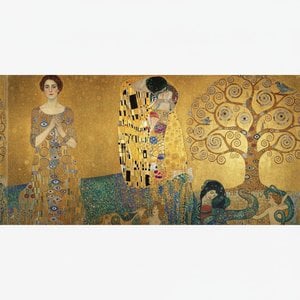
Tutustu Gustav Klimtin 25 mestariteokseen! Uppoudu koristeellisen taiteen, jugendtyylin ja symbolismin maailmaan. Löydä tarinat öljyvärimaalausten takaa ja inspiroi sisustusta WahooArt.com:ssa. Tutki kokoelma verkossa!

Explore 10 defining masterpieces of Romantic Realism! Discover Courbet, Millet & Daumier's powerful paintings—capturing emotion and social realities. Find museum-quality reproductions for your home at WahooArt.com.

Tutustu realistisen taiteen 10 mestariteokseen – Courbet'sta Manetiin. Uppoudu taidehistoriaan ja löydä ikonisten maalausten tarinat WahooArt.comissa. Laadukkaat taideprintit sisustukseesi! Tutki kokoelma verkossa.

Explore the captivating world of seascape art! Discover its history, key artists & movements – from Dutch Masters to Impressionism. Expert insights for collectors and enthusiasts at WahooArt.

 Katso seinällä
 Lähetä
 Jaa
Jaa
 Tarkemmat tiedot
 Opas
Opas

 Lataa kuva
 Samanlaisia kohteita
 Röntgenkuvaus
 Diaesitys
 Tilastot
 Lue lisää







 Lasivaihtoehto on saatavilla vain alle 110 cm kokoisille teoksille


