

 Öljyväri kankaalleSeinätaideArt Nouveau Secession
 1909Modernismi
 195.0 x 102.0 cm
 Museum of Applied Arts
Käsinmaalattu öljyväri kankaalle haluamassasi koossa ja kehyksissä, taiteilijoidemme valmistamana tilauksesta. ( Vaihda tulosteeseen Siirry digitaaliseen kuvaan)





























Valitse valmiista mitoistamme sellaiset, jotka vastaavat teoksen alkuperäisiä mittasuhteita.

Voit syöttää omat mitat sopimaan tiettyyn kehykseen tai tilaan. Jos valitsemasi koko ei vastaa alkuperäisen kuvan mittasuhteita, rajaamme taideteoksen tai jatkamme maalausta käsin maalatuilla elementeillä. Digitaalinen esikatselu lähetetään hyväksyttäväksi ennen tuotannon aloittamista.
Huomioithan, että näytöllä oleva esikatselu ei vastaa todellista rajausta tai jatkamista. Vain digitaalinen mallikuva näyttää lopullisen sommittelun tarkasti.
Vaikka mittatilaustyöt ovat mahdollisia, suosittelemme valitsemaan mitan ennalta määritetystä listasta alkuperäisten mittasuhteiden säilyttämiseksi.
Maailmanlaajuinen toimitus () 3–4 viikossa tavallisen 5 viikon sijaan. (23 syyskuu). Laadusta ei tingitä.


Elämänpuu
Replikaatin koko
Gustav Klimt’s “The Tree of Life,” painted in 1909, is more than simply a beautiful artwork; it's a profound meditation on the human condition and our relationship with nature. Emerging from the vibrant heart of Vienna Secession, this monumental piece represents a radical departure from traditional academic painting, embracing instead a bold exploration of symbolism, decorative artistry, and the intoxicating allure of gold. Klimt’s genius lies in his ability to fuse these elements into a cohesive whole, creating an image that continues to captivate viewers with its ethereal beauty and underlying philosophical depth.
The artwork immediately draws the eye with its overwhelming sense of opulence – a testament to Klimt's “Golden Phase.” The extensive use of gold leaf isn’t merely decorative; it’s integral to the work’s symbolic power. This shimmering material, reminiscent of Byzantine mosaics and religious iconography, elevates the scene to an almost otherworldly realm. Beneath this radiant surface, Klimt masterfully employs a flattened perspective and flowing lines characteristic of Art Nouveau, prioritizing visual impact over strict realism. The composition is dense with intricate details – stylized figures, geometric shapes representing landscapes, and a network of branches that seem to reach towards infinity.
At the heart of “The Tree of Life” lies its namesake: a magnificent tree bursting with life. This isn’t simply a depiction of nature; it's a potent symbol drawn from ancient archetypes found across cultures – representing growth, connection, and the cyclical rhythms of existence. Within the tree’s branches are nestled figures, often interpreted as souls or spirits intimately connected to the natural world. These aren’t individual portraits but rather representations of humanity’s spiritual essence intertwined with the earth. Notice also the inclusion of architectural elements—buildings subtly integrated into the landscape—suggesting a harmonious coexistence between civilization and nature; a deliberate rejection of the notion that progress necessitates conquering the wilderness.
Geometric shapes, particularly squares and circles, are strategically placed throughout the composition, grounding the ethereal elements with earthly forms. These represent landforms – mountains, valleys, and perhaps even constellations – anchoring the dreamlike quality of the scene in a tangible reality. The presence of candles held by figures adds another layer of symbolism, evoking enlightenment, remembrance, and the pursuit of spiritual understanding.
“The Tree of Life” was created during a period of intense artistic ferment in Vienna – a time when the conservative traditions of the academic art establishment were being fiercely challenged. Klimt, along with other artists like Egon Schiele and Oskar Kokoschka, formed the Vienna Secession, establishing their own independent exhibition society and rejecting the rigid rules of the traditional art academies. This movement sought to create “total works of art” – Gesamtkunstwerke – encompassing all forms of artistic expression, from painting and sculpture to architecture and design. Klimt’s work embodies this spirit perfectly, seamlessly blending decorative elements with symbolic depth.
The influence of the Secession can be seen in the artwork's bold experimentation with form, color, and technique. It reflects a desire to break free from established conventions and explore new artistic possibilities. Interestingly, Klimt’s work shares thematic resonances with the “Tree of Life” frieze he created for the Stoclet Palace in Brussels – a monumental undertaking that further cemented his reputation as a visionary artist.
“The Tree of Life” is an enduring testament to Gustav Klimt’s artistic genius and a powerful symbol of interconnectedness. WahooArt offers meticulously crafted, hand-painted reproductions that capture the essence of this iconic artwork with stunning accuracy and detail. Whether you're an art collector seeking to expand your collection or an interior designer searching for a statement piece to elevate your space, our reproduction provides a beautiful and authentic representation of Klimt’s masterpiece. The shimmering gold leaf, the intricate details, and the profound symbolism – all are faithfully reproduced, bringing this timeless vision to life in your home.
Explore our collection today and experience the magic of “The Tree of Life” firsthand. Learn more about this artwork here.


1862 - 1918 , Itävalta

Explore the imperial grandeur of Vienna through art history. Discover the architectural mastery of Otto Wagner and the elegance of the Secessionist movement in this sophisticated guide to Austria's timeless aesthetic legacy.

Embark on a sophisticated journey through the splendor of Austrian art. From Gustav Klimt’s golden masterpieces to the elegance of the Viennese Secession, discover the history and symbolism behind Europe's most iconic works for the discerning collector.
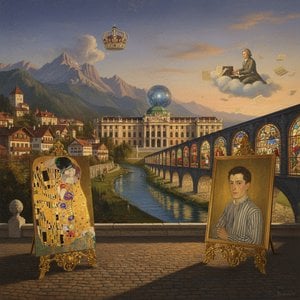
Embark on a sophisticated journey through Austrian art history. Explore the golden brilliance of Gustav Klimt and the elegance of the Vienna Secession through an expert lens, celebrating the enduring soul of Central European masterpieces.

Discover the exquisite world of Art Nouveau. Explore the elegant fusion of nature and design through architectural masterpieces, organic forms, and the legendary masters of the Belle Époque. Immerse yourself in a journey of timeless sophistication and ornamental beauty.

Explore the profound impact of the Vienna Secession movement. Discover how visionaries like Gustav Klimt revolutionized modern art through symbolism, gold leaf, and bold ornamentation in this deep dive into the aesthetic revolution that redefined the visual landscape of Europe.

 Katso seinällä
 Lähetä
 Jaa
Jaa
 Tarkemmat tiedot
 Opas
Opas

 Lataa kuva
 Samanlaisia kohteita
 Röntgenkuvaus
 Diaesitys
 Tilastot
 Lue lisää







 Lasivaihtoehto on saatavilla vain alle 110 cm kokoisille teoksille


