Acrylic On CanvasWallArtBaroque Painting
 1675
1675 74.0 x 96.0 cm
 Rijksmuseum
Käsinmaalattu öljyväri kankaalle haluamassasi koossa ja kehyksissä, taiteilijoidemme valmistamana tilauksesta. ( Vaihda tulosteeseen Siirry digitaaliseen kuvaan)





























Valitse valmiista mitoistamme sellaiset, jotka vastaavat teoksen alkuperäisiä mittasuhteita.

Voit syöttää omat mitat sopimaan tiettyyn kehykseen tai tilaan. Jos valitsemasi koko ei vastaa alkuperäisen kuvan mittasuhteita, rajaamme taideteoksen tai jatkamme maalausta käsin maalatuilla elementeillä. Digitaalinen esikatselu lähetetään hyväksyttäväksi ennen tuotannon aloittamista.
Huomioithan, että näytöllä oleva esikatselu ei vastaa todellista rajausta tai jatkamista. Vain digitaalinen mallikuva näyttää lopullisen sommittelun tarkasti.
Vaikka mittatilaustyöt ovat mahdollisia, suosittelemme valitsemaan mitan ennalta määritetystä listasta alkuperäisten mittasuhteiden säilyttämiseksi.
Maailmanlaajuinen toimitus () 3–4 viikossa tavallisen 5 viikon sijaan. (24 syyskuu). Laadusta ei tingitä.


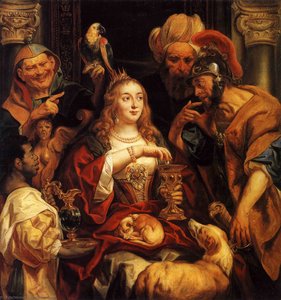
Cleopatra's Banquet
Replikaatin koko
Gérard de Lairesse’s “Cleopatra’s Banquet,” painted in 1675, isn't merely a depiction of a historical event; it’s a carefully constructed tableau of power, seduction, and opulent extravagance. This dramatic scene, brimming with theatricality and rich color, transports the viewer to a moment of intense rivalry between Cleopatra, the last pharaoh of Egypt, and Mark Antony, one of Rome's most formidable generals. The painting captures not just a wager—Cleopatra’s audacious challenge to dissolve a pearl in vinegar and drink the resulting liquid—but also the very essence of her captivating allure and strategic brilliance.
Lairesse, a leading figure of Belgian Baroque art, masterfully employs light and shadow to create a palpable sense of drama. The composition is meticulously arranged, drawing our eye through a carefully orchestrated series of figures and gestures. Cleopatra, positioned at the heart of the scene, exudes an air of regal confidence as she removes her earring—a gesture laden with symbolic weight, suggesting both defiance and control. Her posture, her gaze, and the subtle curve of her lips all contribute to an image of calculated charm and unwavering authority.
To fully appreciate “Cleopatra’s Banquet,” it's crucial to understand its historical context. The painting draws upon a well-established narrative—Pliny the Elder’s account of a wager between Cleopatra and Antony, where she demonstrated her wealth by dissolving a pearl in vinegar. Lairesse elevates this anecdote into a grand theatrical spectacle, reminiscent of a classical play. He deliberately borrows elements from Italianate stage design, evident in the elaborate architecture and the carefully positioned figures, creating an illusionistic space that invites the viewer to step into the scene.
The composition is remarkably balanced, with a clear hierarchy of importance. Cleopatra dominates the center, surrounded by a throng of elegantly dressed guests—both men and women—each contributing to the overall sense of lavishness. The inclusion of a dog near the bottom left corner adds an unexpected touch of realism and humanizes the scene, grounding it in a tangible reality amidst the fantastical elements.
Lairesse’s technical skill is immediately apparent. He demonstrates a remarkable command of color, using rich reds, golds, and blues to create a vibrant and luxurious atmosphere. The use of *chiaroscuro*—the dramatic contrast between light and shadow—heightens the sense of drama and emphasizes key figures within the composition. Notice how he uses light to illuminate Cleopatra’s face, drawing attention to her expression and reinforcing her position as the central figure.
Beyond its visual splendor, “Cleopatra’s Banquet” is rich in symbolism. The pearl itself represents wealth, power, and beauty—qualities that Cleopatra sought to exploit to her advantage. The act of dissolving it in vinegar symbolizes a willingness to risk everything for love and ambition. The setting, with its classical architecture and opulent furnishings, evokes the grandeur of ancient Rome and Egypt, underscoring the clash between these two powerful civilizations.
Reproductions of “Cleopatra’s Banquet” capture a significant portion of the original's captivating atmosphere. The painting’s dramatic lighting, intricate details, and compelling narrative continue to inspire artists and designers today. When commissioning a high-quality reproduction, consider the scale and framing to best complement your interior space. The rich colors and dynamic composition will undoubtedly add a touch of historical grandeur and theatrical flair to any room.

Gérard de Lairesse (1640–1711) oli merkittävä belgialainen taidemaalari, joka vaikutti ratkaisevasti barokkitaiteen kukoistukseen ja kehitykseen 1600-luvulla. Liègessä, Belgiassa syntyneen taiteilijan ura sijoittui Euroopan suuren taiteellisen murroksen aikaan. Hänen perintönsä elää edelleen dramaattisissa sommitelmissa, mestarillisessa valon ja varjon käytössä sekä selkeässä vaikutuksessa myöhempiin taiteilolukausiin.
Gérard de Lairesse on ottanut merkittävän paikan belgialaisen taiteen historiassa edustaen alueellisen barokkimaalauksen kehitystä. Hänen taitava chiaroscuro-tekniikkansa, dramaattiset sommitelmansa ja tunteikkaat kertomuksensa vakiinnuttivat hänen asemansa aikakautensa merkittävänä taiteilijana. Nykyään hänen teoksiaan arvostetaan niiden taiteellisen laadun ja historiallisen merkityksen vuoksi, ja osa niistä kuuluu arvostettuihin kokoelmiin, kuten Lontoon National Galleryyn. WahooArt.com tarjoaa korkealaatuisia jäljennöksiä de Lairessin mestariteoksista, antaen taiteen ystäville mahdollisuuden ihailla hänen panostaan barokkitaiteeseen.

1640 - 1711 , Belgia

Explore the breathtaking drama of the Baroque era. From the mastery of chiaroscuro to epic mythological narratives, discover a definitive guide to art's most powerful period of light, shadow, and emotion for the true classical art enthusiast.
Explore the breathtaking power of Baroque art. Delve into the dramatic interplay of light, shadow, and motion through the works of masters like Caravaggio. Discover how the era's intense emotional realism continues to inspire collectors and connoisseurs of classical grandeur.

 Katso seinällä
 Lähetä
 Jaa
Jaa
 Tarkemmat tiedot
 Opas
Opas

 Lataa kuva
 Samanlaisia kohteita
 Röntgenkuvaus
 Diaesitys
 Tilastot
 Lue lisää







 Lasivaihtoehto on saatavilla vain alle 110 cm kokoisille teoksille