

Käsinmaalattu öljyväri kankaalle haluamassasi koossa ja kehyksissä, taiteilijoidemme valmistamana tilauksesta. ( Vaihda tulosteeseen Siirry digitaaliseen kuvaan)





























Valitse valmiista mitoistamme sellaiset, jotka vastaavat teoksen alkuperäisiä mittasuhteita.

Voit syöttää omat mitat sopimaan tiettyyn kehykseen tai tilaan. Jos valitsemasi koko ei vastaa alkuperäisen kuvan mittasuhteita, rajaamme taideteoksen tai jatkamme maalausta käsin maalatuilla elementeillä. Digitaalinen esikatselu lähetetään hyväksyttäväksi ennen tuotannon aloittamista.
Huomioithan, että näytöllä oleva esikatselu ei vastaa todellista rajausta tai jatkamista. Vain digitaalinen mallikuva näyttää lopullisen sommittelun tarkasti.
Vaikka mittatilaustyöt ovat mahdollisia, suosittelemme valitsemaan mitan ennalta määritetystä listasta alkuperäisten mittasuhteiden säilyttämiseksi.
Maailmanlaajuinen toimitus () 3–4 viikossa tavallisen 5 viikon sijaan. (26 syyskuu). Laadusta ei tingitä.


LA PELEUSE DE POMME
Replikaatin koko
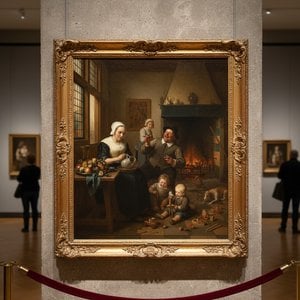
Gabriel Metsu’s “La Peleuse de Pomme,” painted circa 1660, stands as a quintessential example of Dutch Golden Age genre painting—a movement dedicated to portraying scenes from everyday life with remarkable accuracy and subtle psychological depth. More than just a depiction of an apple peeling ritual, this artwork encapsulates the values of industriousness, domestic harmony, and quiet contemplation that defined the era’s artistic sensibilities.
Painted during the height of the Dutch Golden Age (approximately 1640-1700), “La Peleuse de Pomme” reflects a broader artistic preoccupation with capturing the nuances of human experience within familiar surroundings. Metsu’s work draws inspiration from Nicolaes Maes, a fellow painter known for his similarly realistic depictions of domestic interiors and portraits. This stylistic convergence underscores the prevailing artistic conventions of the period—a commitment to portraying believable figures and environments against muted backgrounds.
Beyond its visual realism, “La Peleuse de Pomme” carries symbolic weight. The apple itself represents abundance and nourishment – a tangible reminder of the fruits of labor and the comforts of home. Simultaneously, the woman’s focused activity embodies industriousness and self-sufficiency—values highly esteemed in Dutch society during this era. Ultimately, Metsu's painting evokes a feeling of quiet contentment and contemplative observation, inviting viewers to appreciate the beauty found within the commonplace.
Gabriel Metsu (1629-1667) remains an enigmatic figure in Dutch art history. Despite producing relatively few paintings—only 14 survive—Metsu’s oeuvre demonstrates unparalleled skill in capturing psychological realism and conveying subtle emotional nuances. His dedication to meticulous observation and masterful technique cemented his place as one of the most influential artists of his time, ensuring “La Peleuse de Pomme” continues to resonate with audiences today.


1629 - 1667 , Alankomaat

Explore the Dutch Golden Age of painting! Discover key artists like Vermeer & ter Borch, their innovative techniques, and the rich cultural context behind these Baroque masterpieces. Learn about collecting & appreciating this iconic art period.

Discover the breathtaking beauty of Dutch Golden Age landscapes. Explore the mastery of light, chiaroscuro, and 17th-century realism through an expert art history lens, celebrating the enduring legacy of the Dutch Masters for discerning collectors and art lovers.

Explore the Dutch Golden Age of painting with WahooArt. Discover Rembrandt, Vermeer & other Masters. Learn about key characteristics, iconic artworks, and lasting influence. Expert insights for collectors & enthusiasts.

Uppoudu hollantilaisen kultakauden taiteen maailmaan! Tutustu Rembrandtin, Vermeerin ja muiden mestareiden ikonisiin maalauksiin. Löydä inspiraatiota kotiisi WahooArt.com:ista – laadukkaat taidevedokset ja sisustustaulut jokaiseen tilaan. Explore the full collection online!
Explore the captivating world of Dutch Golden Age genre painting! Discover realistic depictions of daily life, masterful artists like Ostade & Metsu, and hidden symbolism. Learn about this influential art movement with WahooArt.

 Katso seinällä
 Lähetä
 Jaa
Jaa
 Tarkemmat tiedot
 Opas
Opas

 Lataa kuva
 Samanlaisia kohteita
 Röntgenkuvaus
 Diaesitys
 Tilastot

 Lue lisää







 Lasivaihtoehto on saatavilla vain alle 110 cm kokoisille teoksille


