Tällä sivulla esitettyä taideteosta suojaa tekijänoikeuslaki, mikä tarkoittaa, ettemme voi laillisesti luoda tai myydä täsmälleen samanlaista jäljennöstä. Tämä suoja toteutetaan kansainvälisten sopimusten, kuten esimerkiksi Berne-konventio ja kansallisilla laeilla, mukaan lukien niillä määritellyt Yhdysvaltain tekijänoikeuslaki – Luku 17. Kaikki oikeudet pidätetään. Luvaton kopiointi tai jäljittely on kielletty.
Tämä menetelmä noudattaa täysin tekijänoikeussäännöksiä, sillä se ei sisällä suojatun taideteoksen kopioimista tai jäljentämistä. Sen sijaan kyseessä on luova uudelleentulkinta – uusi maalaus, joka ammentaa vaikutteita alkuperäisestä, mutta ei ole sen identtinen kopio.
Museolaatuisia giclée- tai kankaitaulun tulosteita nopealla tuotannolla ja joustavilla viimeistelyvaihtoehdoilla. ( Tilaa käsinmaalattu jäljennös Siirry digitaaliseen kuvaan)





























Valitse valmiista mitoistamme sellaiset, jotka vastaavat teoksen alkuperäisiä mittasuhteita.

Kirjoita tarvitsemasi leveys ja korkeus, jotta tuloste sopii kehyskokoon tai seinällesi. Tulostetta voidaan vain leikata, sitä ei voi koskaan tehdä suuremmaksi kuin alkuperäinen kuva, joten eri muotoinen koko aiheuttaa osan kuvasta katoamisen. Lähetämme sinulle digitaalisen mallikuvan hyväksyttäväksi ennen kuin aloitamme tulostuksen. Tällä sivulla näkyvä kuva ei näytä lopullista leikkausta — vain mallikuva näyttää sen.
Maailmanlaajuinen toimitus () 2 viikossa tavallisen 4–5 viikon sijaan. (23 lokakuu)
second version of triptych 1
Replikaatin koko
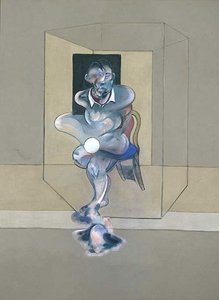
This arresting image, a “Second Version” created in 1988 from the original 1944 work, offers an unflinching glimpse into the tormented psyche of Francis Bacon. Executed during a period of profound artistic and personal upheaval, it embodies the core tenets of his mature style – a brutal honesty rendered with unsettling precision. The composition immediately confronts the viewer with a solitary figure seated in a chair, head bowed, their appearance obscured by a mask-like distortion. This deliberate ambiguity is central to Bacon’s project: he wasn't interested in depicting recognizable reality but rather in conveying raw emotion and existential dread.
Painted in 1944, at the height of World War II, this work reflects the pervasive sense of anxiety and disillusionment that gripped Europe. Bacon’s early life, marked by instability and his mother's illness, undoubtedly informed his artistic vision. The displacement he experienced – both physical and emotional – resonates powerfully within the painting. This wasn't merely a depiction of an individual; it was a visual manifestation of the collective trauma of the era, a reflection on the loss of innocence and the fragility of human existence.
The “Second Version” created nearly four decades later demonstrates Bacon’s continued engagement with these themes. The fact that he revisited this subject matter suggests a persistent preoccupation with the darker aspects of the human condition – a theme that would define much of his career.
The mask-like distortion of the figure is perhaps the most compelling element of the painting. It obscures identity, suggesting a loss of self and an inability to connect with others. The chair itself can be interpreted as a symbol of confinement, further emphasizing the sense of isolation. Bacon was deeply interested in exploring the subconscious mind, and his work often operates on a profoundly psychological level. He sought to capture not just what he *saw*, but what he *felt* – the raw, unfiltered emotions that lie beneath the surface of consciousness.
‘Second Version of Triptych 1’ is not a comfortable image; it demands attention and provokes a visceral response. Bacon's work continues to resonate with viewers today because it confronts us with uncomfortable truths about ourselves and the world around us. It stands as a testament to his courage, his artistic vision, and his ability to translate profound psychological states into powerful visual form. This reproduction offers an opportunity to experience firsthand the intensity and emotional depth of one of the 20th century’s most significant artists.
Teoksessa "second version of triptych 1" Dark väriä yhdistettynä Melancholic tunnelmaan.
Teoksen Francis Bacon:n "second version of triptych 1" suosiotaso on Iconic.
Teoksella Francis Bacon:n "second version of triptych 1" on Dark luminanssi. Luminanssi kuvaa sitä, kuinka paljon värit näyttävät heijastavan valoa.


1909 - 1992 , Irlanti

Master the nuances of Giclée printing with our expert guide. Discover how pigment-based inks and museum-grade substrates create fade-resistant, high-fidelity art reproductions designed for discerning collectors seeking unparalleled quality and longevity.
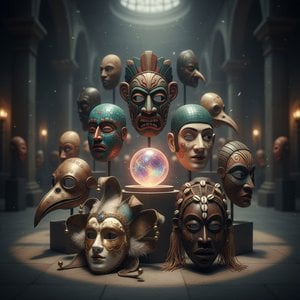
Embark on a profound journey through the world's most iconic mask artworks. Explore the spiritual depth, intricate craftsmanship, and rich cultural heritage of global traditions, from Chhau to Gomira, in this expert-led exploration of ancestral artistry and symbolic beauty.

Discover the excellence of WahooArt.com premium poster prints. Designed for elite collectors, our museum-quality Giclée reproductions offer unmatched durability and archival precision to elevate your luxury interiors with high-impact, sophisticated art decor.

 Katso seinällä
 Lähetä
 Jaa
Jaa
 Tarkemmat tiedot
 Opas
Opas

 Lataa kuva
 Samanlaisia kohteita
 Röntgenkuvaus
 Diaesitys
 Tilastot

 Lue lisää









 Lasivaihtoehto on saatavilla vain alle 110 cm kokoisille teoksille