

Käsinmaalattu öljyväri kankaalle haluamassasi koossa ja kehyksissä, taiteilijoidemme valmistamana tilauksesta. ( Vaihda tulosteeseen Siirry digitaaliseen kuvaan)





























Valitse valmiista mitoistamme sellaiset, jotka vastaavat teoksen alkuperäisiä mittasuhteita.

Voit syöttää omat mitat sopimaan tiettyyn kehykseen tai tilaan. Jos valitsemasi koko ei vastaa alkuperäisen kuvan mittasuhteita, rajaamme taideteoksen tai jatkamme maalausta käsin maalatuilla elementeillä. Digitaalinen esikatselu lähetetään hyväksyttäväksi ennen tuotannon aloittamista.
Huomioithan, että näytöllä oleva esikatselu ei vastaa todellista rajausta tai jatkamista. Vain digitaalinen mallikuva näyttää lopullisen sommittelun tarkasti.
Vaikka mittatilaustyöt ovat mahdollisia, suosittelemme valitsemaan mitan ennalta määritetystä listasta alkuperäisten mittasuhteiden säilyttämiseksi.
Maailmanlaajuinen toimitus () 3–4 viikossa tavallisen 5 viikon sijaan. (24 syyskuu). Laadusta ei tingitä.


Man at Curtain
Replikaatin koko
Francis Bacon (1909 – 1992), born in Dublin amidst the turbulent backdrop of British rule, wasn’t merely a painter; he was an explorer of the human psyche—a relentless investigator of fear, trauma, and existential dread. His artistic journey began late, fueled by a restless spirit and a profound dissatisfaction with conventional aesthetics, shaping him into one of the most distinctive voices in 20th-century art.
Bacon’s artistic style is undeniably Expressionist, rejecting illusionistic painting in favor of conveying raw emotion through distorted forms and unsettling textures. He meticulously dissected the human body—often rendered as fragmented, grotesque figures—analyzing its vulnerability to pain and decay. His technique involved layering paint onto canvas with aggressive brushstrokes, creating surfaces that pulsate with energy and hinting at hidden depths.
Bacon's imagery is laden with symbolism—reflecting his preoccupation with themes of trauma, loss, and existential isolation. Crucifixions, portraits of popes, and self-portraits served as recurring motifs, exploring the human condition’s confrontation with mortality and suffering. The figures he depicted were often rendered in isolation—confined within geometric structures or presented against stark backgrounds—underscoring the psychological burden of solitude.
Bacon's art transcends mere visual representation; it compels viewers to confront uncomfortable truths about human nature—to grapple with anxieties surrounding mortality, pain, and psychological fragmentation. His unflinching honesty and visceral intensity continue to resonate with audiences today, securing his place as one of the most influential artists of the 20th century. He remains a beacon for those seeking artistic expression that dares to explore the darkest recesses of the human experience.


1909 - 1992 , Irlanti
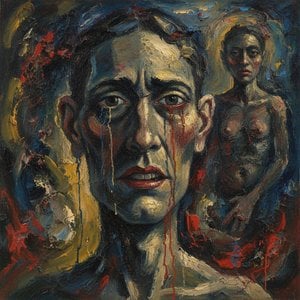
Explore the profound emotional depth of Expressionist portraiture. From Edvard Munch to Francis Bacon, discover how masters used distortion and color to reveal inner truths. Learn about this pivotal movement and find museum-quality oil reproductions for your collection.

Explore the captivating world of Francis Sartorius II (1734-1804), a leading British painter renowned for his exquisite equestrian portraits and hunting scenes. Discover his life, techniques & enduring legacy.

Explore the profound history of Surrealist Expressionism. Discover how artists blended dream logic with raw emotion to navigate post-war trauma through masterful, evocative imagery and psychological depth.

Tutustu Francis Baconin 25 mestariteokseen – synkkää tunnetta, modernia taidetta ja ihmiskuvauksen syvyyttä. Löydä tarinat maalauksien takaa ja inspiroi sisustusta WahooArt.comissa! Tutki koko kokoelma verkossa.
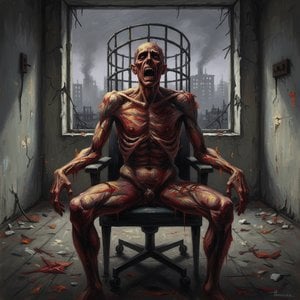
Explore the profound existential anguish of Francis Bacon's art. Discover how trauma shaped his iconic paintings & lasting influence on modern expressionism. A guide for discerning collectors.

 Katso seinällä
 Lähetä
 Jaa
Jaa
 Tarkemmat tiedot
 Opas
Opas

 Lataa kuva
 Samanlaisia kohteita
 Röntgenkuvaus
 Diaesitys
 Tilastot
 Lue lisää







 Lasivaihtoehto on saatavilla vain alle 110 cm kokoisille teoksille


