

Tällä sivulla esitettyä taideteosta suojaa tekijänoikeuslaki, mikä tarkoittaa, ettemme voi laillisesti luoda tai myydä täsmälleen samanlaista jäljennöstä. Tämä suoja toteutetaan kansainvälisten sopimusten, kuten esimerkiksi Berne-konventio ja kansallisilla laeilla, mukaan lukien niillä määritellyt Yhdysvaltain tekijänoikeuslaki – Luku 17. Kaikki oikeudet pidätetään. Luvaton kopiointi tai jäljittely on kielletty.
Tämä menetelmä noudattaa täysin tekijänoikeussäännöksiä, sillä se ei sisällä suojatun taideteoksen kopioimista tai jäljentämistä. Sen sijaan kyseessä on luova uudelleentulkinta – uusi maalaus, joka ammentaa vaikutteita alkuperäisestä, mutta ei ole sen identtinen kopio.
Museolaatuisia giclée- tai kankaitaulun tulosteita nopealla tuotannolla ja joustavilla viimeistelyvaihtoehdoilla. ( Tilaa käsinmaalattu jäljennös Siirry digitaaliseen kuvaan)





























Valitse valmiista mitoistamme sellaiset, jotka vastaavat teoksen alkuperäisiä mittasuhteita.

Kirjoita tarvitsemasi leveys ja korkeus, jotta tuloste sopii kehyskokoon tai seinällesi. Tulostetta voidaan vain leikata, sitä ei voi koskaan tehdä suuremmaksi kuin alkuperäinen kuva, joten eri muotoinen koko aiheuttaa osan kuvasta katoamisen. Lähetämme sinulle digitaalisen mallikuvan hyväksyttäväksi ennen kuin aloitamme tulostuksen. Tällä sivulla näkyvä kuva ei näytä lopullista leikkausta — vain mallikuva näyttää sen.
Maailmanlaajuinen toimitus () 2 viikossa tavallisen 4–5 viikon sijaan. (27 lokakuu)
head vi, 1949
Replikaatin koko
To stand before Francis Bacon’s Head VI is to witness an unflinching confrontation with the very depths of human experience. Painted in 1949, this unsettling masterpiece serves as a profound window into the psychological disintegration and existential dread that gripped Europe in the wake of World War II. The painting does not merely depict a man; it captures a moment of pure, unadulterated anguish. Through a distorted visage and a mouth frozen in a silent, harrowing scream, Bacon presents a subject caught in the throes of terror. The figure appears hunched and collapsing, a vulnerable soul navigating an airless void, making the artwork an enduring symbol of mortality and the fragility of our existence.
The technical execution of the piece is as visceral as its subject matter. Eschewing traditional meticulous detail, Bacon employed a method he termed the “squeeze technique,” applying paint thickly with his hands or a palette knife to create textured surfaces that seem to pulsate with an unsettling, living energy. This physicality allows the canvas to embody the very torment it portrays. The composition is dominated by a sickly, jaundiced yellow hue, a color choice that acts as a visual metaphor for decay and mental deterioration. Within this chromatic landscape, the figure is often placed within a glass cage-like structure behind curtain-like drapery, creating a suffocating atmosphere where the subject appears trapped by his very surroundings.
The power of Head VI lies in its ability to translate historical trauma into universal symbols. Emerging from a period scarred by the devastation of war and the chilling reality of London's bombing raids, Bacon’s work reflects a broader preoccupation with the loss of certainty. The open mouth, perhaps the painting’s most potent symbol, transcends simple vocalization; it represents repressed emotion and the primal terror of the human condition. This motif finds its roots in the cinematic drama of silent films, where exaggerated expressions were used to convey deep-seated psychological states, yet Bacon strips away the artifice to reveal a raw, terrifying truth.
Furthermore, the artwork draws subtle inspiration from the Old Masters, specifically referencing the work of Diego Velázquez. By reinterpreting elements of classical portraiture through a lens of modern horror, Bacon creates a tension between tradition and iconoclasm. For collectors and lovers of fine art, this piece offers more than mere decoration; it provides a profound emotional resonance. It is an invitation to grapple with the darker recesses of consciousness and to find beauty in the courageous exploration of truth. Whether viewed as a cornerstone of post-war expressionism or a haunting psychological study, Head VI remains a seminal achievement that continues to provoke, disturb, and ultimately illuminate the complexities of being human.
Francis Bacon teos "head vi, 1949" on on edelleen tekijänoikeuden suojaama. Tekijänoikeusajat lasketaan taiteilijan kuolinvuodesta, ja Francis Bacon kuoli vuonna 1992.
Esikatselu teoksesta Francis Bacon:n "head vi, 1949" on saatavilla teoksen Esikatselu -sivulla.
Francis Bacon:n tunnettujen teemojen – diego velázquez influence, post-wwii anxiety, existential dread, human mortality themes, part of 1949 series, early signature style – joukossa "head vi, 1949" tuo oman painopisteensä aiheeseen man, screaming face, purple robe, yellow background, open mouth, distorted face.


1909 - 1992 , Irlanti
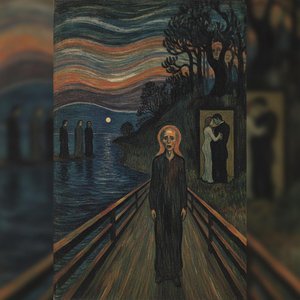
Journey through the raw emotion of Expressionism with our curated guide to Edvard Munch's top 25 masterpieces. Explore the stories behind his most iconic works and find museum-quality art reproductions for your collection. Discover all masterpieces on WahooArt.com.

Immerse yourself in the visceral world of Francis Bacon. Explore 25 iconic masterpieces, from distorted figures to haunting portraits. Discover the stories behind these expressionist legends and find museum-quality art reproductions for your collection at WahooArt.com.

 Katso seinällä
 Lähetä
 Jaa
Jaa
 Tarkemmat tiedot
 Opas
Opas

 Lataa kuva
 Samanlaisia kohteita
 Röntgenkuvaus
 Diaesitys
 Tilastot

 Lue lisää









 Lasivaihtoehto on saatavilla vain alle 110 cm kokoisille teoksille


