Museolaatuisia giclée- tai kankaitaulun tulosteita nopealla tuotannolla ja joustavilla viimeistelyvaihtoehdoilla. ( Tilaa käsinmaalattu jäljennös Siirry digitaaliseen kuvaan)





























Valitse valmiista mitoistamme sellaiset, jotka vastaavat teoksen alkuperäisiä mittasuhteita.

Voit syöttää omat mitat sopiaksesi tiettyyn kehykseen tai tilaan. Jos valittu koko ei vastaa alkuperäisen kuvan mittasuhteita, rajaamme teosta tai laajennamme kuvaa peilatulla tai yhtenäisellä reunalla. Digitaalinen mallikuva lähetetään hyväksyttäväksi ennen tuotannon aloittamista.
Huomaathan, että näytöllä näkyvä esikatselu ei vastaa lopullista rajausta tai laajennusta. Vain mallikuva näyttää lopullisen sommittelun tarkasti.
Vaikka räätälöityjä kokoja on saatavilla, suosittelemme valitsemaan mitat valmiista listasta alkuperäisten mittasuhteiden säilyttämiseksi.
Maailmanlaajuinen toimitus () 2 viikossa tavallisen 4–5 viikon sijaan. (12 lokakuu)
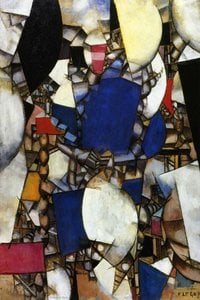
The Parade
Replikaatin koko
Suositeltu yhdistelmä teokselle Fernand Léger:n "The Parade": Large kokoinen vedos tilaan Living Room.
Teoksen "The Parade" valoisuuden ja varjon välinen kontrasti on Statement. Kontrasti kuvaa, kuinka voimakkaasti vaaleat ja tummat alueet eroavat toisistaan.
Teoksen Fernand Léger:n "The Parade" tunnelma on Industrial, ja sen emotionaalinen sävy on Energetic.
Fernand Léger:n "The Parade"-teoksen reproduktio on suositeltava Accent. Tämä suositus perustuu teoksen aiheeseen, tunnelmaan ja väreihin.
Fernand Léger:n "The Parade"-teoksen käsinmaalattuja kopioita myydään tämä verkkosivusto-sivustolla: käsinmaalattu öljyvärireproduktio pellavakankaalle, tilattavissa osoitteesta tämä sivu.
White (#f1f0e3) on Fernand Léger:n "The Parade" -teoksen hallitseva väri.
Tilataksesi painoksen teoksesta Fernand Léger:n "The Parade", voit tehdä tilauksen suoraan osoitteessa tämä sivu: taideteosvedos puuvillakangas- tai arkistoluokan kankaalle painettuna.
Teoksen Fernand Léger:n "The Parade" Samankaltaisia -sivu esittelee samankaltaisia teoksia.


1881 - 1955 , Ranska

Explore the profound evolution of Cubist still life, from Cézanne's structural foundations to the fragmented brilliance of Braque and Léger. Discover how geometric abstraction redefined reality through a sophisticated lens of form, color, and modern artistic mastery.

Embark on a journey through the revolutionary world of Cubism. Discover how masters like Picasso redefined perspective through Analytical and Synthetic techniques in this expert-led guide for art enthusiasts and collectors.

Explore the vibrant world of Fernand Léger. Discover how his 'Tubism' and Machine Age aesthetics redefined modern art, offering profound inspiration for discerning collectors seeking geometric beauty and industrial dynamism.

 Katso seinällä
 Lähetä
 Jaa
Jaa
 Tarkemmat tiedot
 Opas
Opas

 Lataa kuva
 Samanlaisia kohteita
 Röntgenkuvaus
 Diaesitys
 Tilastot

 Lue lisää









 Lasivaihtoehto on saatavilla vain alle 110 cm kokoisille teoksille