Oil On CanvasWallArtRomanticism
 185219th Century
 33.0 x 25.0 cm
Museolaatuisia giclée- tai kankaitaulun tulosteita nopealla tuotannolla ja joustavilla viimeistelyvaihtoehdoilla. ( Tilaa käsinmaalattu jäljennös Siirry digitaaliseen kuvaan)





























Valitse valmiista mitoistamme sellaiset, jotka vastaavat teoksen alkuperäisiä mittasuhteita.

Kirjoita tarvitsemasi leveys ja korkeus, jotta tuloste sopii kehyskokoon tai seinällesi. Tulostetta voidaan vain leikata, sitä ei voi koskaan tehdä suuremmaksi kuin alkuperäinen kuva, joten eri muotoinen koko aiheuttaa osan kuvasta katoamisen. Lähetämme sinulle digitaalisen mallikuvan hyväksyttäväksi ennen kuin aloitamme tulostuksen. Tällä sivulla näkyvä kuva ei näytä lopullista leikkausta — vain mallikuva näyttää sen.
Maailmanlaajuinen toimitus () 2 viikossa tavallisen 4–5 viikon sijaan. (26 lokakuu)
andromeda - -
Replikaatin koko
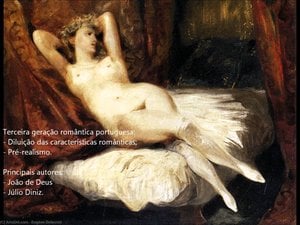
In the vast tapestry of the Romantic era, few works capture the raw, pulsating essence of human vulnerability quite like Eugène Delacroix’s Andromeda. Completed in 1852, this oil on canvas is far more than a mere mythological illustration; it is a profound exploration of emotion, individualism, and the sublime power of nature. As one gazes upon this masterpiece, currently held in the esteemed Museum of Fine Arts, Houston, the viewer is immediately transported to a desolate, windswept landscape where the boundaries between physical suffering and celestial longing begin to blur. Delacroix, a titan of the French Romantic school, rejects the cold, calculated precision of Neoclassicism in favor of a more visceral experience, inviting us to feel the very heartbeat of the tragedy unfolding before our eyes.
The subject matter draws deeply from the wellspring of Greek mythology, recounting the harrowing plight of Andromeda, daughter of King Cepheus and Queen Cassiopeia. Chained to a jagged rock as a sacrificial offering to appease the sea god Poseidon, Andromeda stands as a symbol of profound isolation. Yet, within this moment of extreme peril, Delaculate finds a breathtaking beauty. The composition focuses on her nude form, emphasizing a delicate physical fragility that contrasts sharply against the imposing, rugged textures of the rocky shore. It is a narrative of tension—the stillness of the victim set against the implied turbulence of the approaching storm and the divine wrath of the sea.
Technically, Andromeda serves as a masterclass in the signature Delacroix style. The artist utilizes a vibrant, emotive palette where rich reds, deep blues, and lush greens dance across the canvas to create an atmosphere of dynamic movement. Rather than relying on rigid outlines, Delacroix employs loose, expressive brushstrokes that capture the flickering interplay of light and shadow. This use of chiaroscuro—the dramatic contrast between brilliance and obscurity—serves to heighten the emotional stakes, drawing the eye toward the luminous glow of Andromeda’s skin, which seems to radiate a warm, ethereal light amidst the surrounding gloom.
For the discerning collector or interior designer, this piece offers an unparalleled depth of texture and color. The way the light catches the undulating surfaces of the canvas creates a sense of life that is rare in static portraiture. The painting does not merely sit upon the wall; it breathes. The masterful blending of colors ensures that the artwork possesses a multidimensional quality, making it a commanding focal point for any sophisticated space. Whether placed in a gallery-style setting or a curated private study, the work’s ability to evoke both grace and strength provides a continuous source of visual and emotional inspiration.
To possess a reproduction of this caliber is to hold a fragment of art history's most transformative period. Delacroix’s work was revolutionary because it prioritized the feeling of the subject over the mere accuracy of its form. In Andromeda, we see the culmination of his quest to capture the sublime—that overwhelming sense of awe and terror that comes from witnessing nature's grandeur. The painting remains a poignant reminder of the human struggle against fate, rendered with a sensuality and strength that transcends the centuries.
For those seeking to infuse their surroundings with a sense of drama, history, and profound beauty, this depiction of Andromeda stands as an eternal icon. It is a work that invites contemplation, offering a window into a world where myth and emotion are inextricably linked, and where every brushstroke tells a story of survival and splendor.
Teoksen Eugène Delacroix:n "andromeda - -" tekniikka on Oil On Canvas, ja sen mitat ovat 33 x 25 cm.
Teokselle "andromeda - -" suositeltu tulostusasetus on koko Small ja Portrait-suuntainen asettelu.
Romanticism-suuntauksen sisällä teoksella "andromeda - -" on Recognized suosio.

Ferdinand Victor Eugène Delacroix, syntynyt Charenton-Saint-Maurice'ssa Pariisin lähellä vuonna 1798, oli enemmän kuin pelkkä taidemaalari; hän oli romantiikan kiihkeän hengen ruumiillistuma. Nousemalla johtohahmoksi ranskalaisessa taiteessa yhteiskunnallisen myllerryksen ja muuttuvien esteettisten ihanteiden aikana Delacroix hylkäsi uusklassismin jäykän formalisminsa omaksuen draamaa, tunnetta ja elävää väripalettia, joka muuttaisi maalauksen kulun ikuisesti. Hänen elämänsä, vaikka se oli merkitty henkilökohtaisella tragedialla, kietoutui erottamattomasti hänen taiteelliseen visioonsa – pyrkimykseen vangita ylevä, tutkia eksoottisia maailmoja ja ilmaista ihmiskokemuksen raaka voima.
Delacroix’n varhaiset vuodet muovautuivat monimutkaisen perhehistorian ja hieman hauraan terveyden vaikutuksesta. Orpo kuusitoistavuotiaana hän löysi ohjausta vaikutusvaltaiselta Charles-Maurice de Talleyrand-Périgordilta, jota monet uskoivat hänen todelliseksi isäkseen. Tämä yhteys tarjosi hänelle ratkaisevan suojeluksen ja pääsyn pariisilaisiin taidemaailmaan. Hän opiskeli aluksi Pierre-Narcisse Guérin'in johdolla, arvostetun akateemisen maalarin, mutta Théodore Géricault’n työ – erityisesti hänen monumentaalinen *Medusan lautta* – sytytti todella Delacroix’n taiteellisen intohimon. Hän jopa poseerasi Géricault'lle omaksuen vanhemman taiteilijan sitoutumisen realismiin ja tunteelliseen intensiteettiin.
Delacroix räjähti Salon-näyttelyyn vuonna 1822 teoksellaan *Dante ja Vergilius helvetissä*, joka merkitsi välittömästi hänen poikkeamistaan vakiintuneista normeista. Danten Alighierin *Infernosta* inspiroitunut maalaus esitteli rohkeaa värien käyttöä, dynaamista sommittelua ja käsinkosketeltavaa psykologista myllerrystä. Tämä aloitti uran, joka oli omistettu intohimon, konfliktien ja ihmisen tilan teemojen tutkimiselle. Vaikka se sai aluksi ristiriitaisia reaktioita – jotkut kriitikot ylistivät hänen omaperäisyyttään, toiset hylkäsivät työnsä kaoottiseksi ja klassisen hienostuneisuuden puutteelliseksi – Delacroix pysyi sinnikkäästi kehittäen tunnistettavaa tyyliään, jolle on ominaista löysä siveltimenveto, rikkaat tekstuurit ja painotus liikkeeseen.
Hänen kiinnostuksensa ulottui historiallisten ja kirjallisten aiheiden ulkopuolelle. Ratkaiseva matka Pohjois-Afrikkaan vuonna 1832 vaikutti syvästi hänen taiteelliseen kehitykseensä. Uppoutuen Marokon elävään kulttuuriin Delacroix lumoutui arabitribujen eksoottisista maisemista, paimentolaiselämäntavasta ja heidän perinteidensä intensiteetistä. Tämä kokemus täytti hänen maalauksensa uudella tunteella väriä, valoa ja energiaa, kuten teoksissa *Arabien taisteluhevosten* ja lukuisissa algerialaisen elämän tutkimuksissa näkyy. Hän ei vain dokumentoinut näitä kohtauksia; hän pyrki ymmärtämään toisen kulttuurin pohjimmaisen hengen.
Delacroix’n värien hallinta on ehkä hänen kestävin perintönsä. Hän inspiroitui Rubensin barokkiloistosta ja venetsialaisten renessanssimestareiden teoksista priorisoiden kromattista intensiteettiä tarkan piirustuksen sijaan. Hän ymmärsi, että väri voi herättää tunteita, luoda tunnelmaa ja välittää merkityksiä tavalla, jolla viiva ei voinut. Tämä innovatiivinen lähestymistapa vaikutti syvästi seuraaviin sukupolviin taiteilijoita, tasoittaen tietä impressionismille ja postimpressionismille.
Esteettisten innovaatioidensa lisäksi Delacroix oli poliittisesti sitoutunut taiteilija. Hänen ikonisin työnsä, *Vapauden johtama kansa* (1830), ei ole pelkästään heinäkuun vallankumouksen kuvaus; se on voimakas vapaus- ja kapinan allegoria. Maalauksen dynaaminen sommittelu, allegoriset hahmot ja raaka tunteellinen voima vakiinnuttivat sen taidehistoriassa ranskalaisen kansallisen identiteetin ja vallankumouksellisten ihanteiden symbolina. Kyse ei ollut vain tapahtuman dokumentoinnista; kyse oli kansakunnan vapaustaistelun hengen vangitsemisesta.
Delacroix jatkoi tuottoisaa maalaamista koko elämänsä tutkien monipuolisia teemoja Shakespearen tragedioista Raamatun kertomuksiin. Hän antoi merkittävän panoksen myös litografina kuvittaen kirjallisuuden jättiläisten, kuten William Scottin ja Johann Wolfgang von Goethen, teoksia. Hänen ateljeestaan tuli taiteellisen vaihdon keskus houkutellen kunnianhimoisia maalaajia, joita vetosi hänen epätavanomaiseen lähestymistapaansa.
Kuollessaan vuonna 1863 Delacroix oli vakiinnuttanut asemansa yhdeksi Ranskan suurimmista taiteilijoista. Hänen vaikutuksensa ulottui kauas romantiikan liikkeen rajojen yli muokaten modernin maalauksen kehitystä ja inspiroiden lukemattomia taiteilijoita rohkealla värien käytöllään, dynaamisilla sommitteluillaan ja horjumattomalla sitoutumisellaan tunteelliseen ilmaisuun. Hän on edelleen keskeinen hahmo taidehistoriassa – todiste yksilöllisen vision voimasta ja ylevän viehätyksestä.

1798 - 1863 , Ranska

Experience the raw emotion and dramatic landscapes of the Romanticism movement. From Delacroix to Friedrich, explore 10 timeless masterpieces that define an era. Find museum-quality reproductions to inspire your decor. Discover all masterpieces on WahooArt.com.

Immerse yourself in the vibrant world of Paul Gauguin. Explore 25 iconic Post-Impressionist masterpieces, from Tahitian landscapes to bold symbolic works. Find inspiration for museum-quality art reproductions and decor. Discover all masterpieces on WahooArt.com.

Explore the profound tension between Neoclassicism's rational order and Romanticism's emotional depth. An expert journey through the masters of art history, from David to Delacroix, perfect for collectors and enthusiasts seeking a deeper understanding of artistic evolution.

Journey through legend with our curated selection of 10 iconic mythological masterpieces. From Renaissance classics to epic tales, explore the stories and techniques behind these timeless works. Find museum-quality art reproductions for your decor. Discover all masterpieces on WahooArt.com

 Katso seinällä
 Lähetä
 Jaa
Jaa
 Tarkemmat tiedot
 Opas
Opas

 Lataa kuva
 Samanlaisia kohteita
 Röntgenkuvaus
 Diaesitys
 Tilastot
 Lue lisää









 Lasivaihtoehto on saatavilla vain alle 110 cm kokoisille teoksille