

Käsinmaalattu öljyväri kankaalle haluamassasi koossa ja kehyksissä, taiteilijoidemme valmistamana tilauksesta. ( Vaihda tulosteeseen Siirry digitaaliseen kuvaan)





























Valitse valmiista mitoistamme sellaiset, jotka vastaavat teoksen alkuperäisiä mittasuhteita.

Voit syöttää omat mitat sopimaan tiettyyn kehykseen tai tilaan. Jos valitsemasi koko ei vastaa alkuperäisen kuvan mittasuhteita, rajaamme taideteoksen tai jatkamme maalausta käsin maalatuilla elementeillä. Digitaalinen esikatselu lähetetään hyväksyttäväksi ennen tuotannon aloittamista.
Huomioithan, että näytöllä oleva esikatselu ei vastaa todellista rajausta tai jatkamista. Vain digitaalinen mallikuva näyttää lopullisen sommittelun tarkasti.
Vaikka mittatilaustyöt ovat mahdollisia, suosittelemme valitsemaan mitan ennalta määritetystä listasta alkuperäisten mittasuhteiden säilyttämiseksi.
Maailmanlaajuinen toimitus () 3–4 viikossa tavallisen 5 viikon sijaan. (25 syyskuu). Laadusta ei tingitä.


Blue Trees
Replikaatin koko
Paul Gauguin’s Blue Trees stands as a cornerstone of Post-Impressionism, marking a decisive break from the prevailing artistic conventions of its time and establishing Gauguin’s distinctive approach to landscape painting.
Created in 1888, this oil on canvas measuring 92 x 73 cm resides within The Ordrupgaard Collection in Copenhagen, offering viewers a glimpse into Gauguin’s artistic exploration during his formative years.
The painting's composition is characterized by a harmonious balance, with towering blue trees dominating the scene against a backdrop of warm sunset hues. Gauguin deliberately eschewed traditional perspective techniques, favoring instead bold outlines and flattened forms—a stylistic hallmark known as Cloisonnism.
This technique prioritizes simplified shapes and vibrant colors, emphasizing decorative patterns rather than realistic representation. It reflects Gauguin’s desire to distill the essence of nature into its most fundamental elements, conveying emotion through color and line.
Blue Trees represents a pivotal moment in Post-Impressionist art because it transcends the limitations of Impressionistic illusionism.
Rather than attempting to capture fleeting atmospheric effects, Gauguin sought to express inner feelings and psychological states—a core principle of Symbolism. The painting’s distorted forms contribute to this expressive intent, mirroring the artist's subjective experience of the natural world.
Similar stylistic choices can be observed in Gauguin’s other celebrated works, such as Dahlias and Mandolin and Les Alyscamps, Arles—available on https://WahooArt.com.
These paintings demonstrate Gauguin’s unwavering commitment to exploring the relationship between color and emotion, solidifying his legacy as a visionary artist who reshaped the landscape of modern art.
As seen on Wikipedia, Gauguin’s contribution to Post-Impressionism was instrumental in propelling this movement forward—challenging conventional artistic norms and paving the way for subsequent avant-garde explorations.
Ultimately, Blue Trees remains a testament to Gauguin’s artistic genius—a captivating depiction of nature imbued with profound symbolic meaning and enduring emotional resonance.

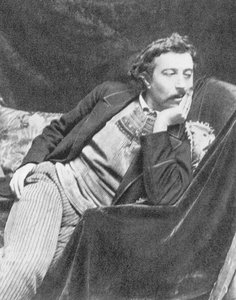
1848 - 1903 , Ranska

Master the nuances of Impressionism vs. Post-Impressionism with our expert guide. Explore the revolutionary shift from Monet’s fleeting light to Van Gogh’s emotional depth. Discover how these iconic movements continue to inspire fine art collectors and modern interiors today.

Discover the profound emotional depth of Post-Impressionist landscapes. Explore how masters like Van Gogh revolutionized art through vibrant color, textured impasto, and symbolic expression in this expert guide to the movement that redefined modern art history.

 Katso seinällä
 Lähetä
 Jaa
Jaa
 Tarkemmat tiedot
 Opas
Opas

 Lataa kuva
 Samanlaisia kohteita
 Röntgenkuvaus
 Diaesitys
 Tilastot
 Lue lisää







 Lasivaihtoehto on saatavilla vain alle 110 cm kokoisille teoksille


