

 Oil On CanvasWallArtBaroque
 1595Early Medieval
 147.0 x 105.0 cm
Käsinmaalattu öljyväri kankaalle haluamassasi koossa ja kehyksissä, taiteilijoidemme valmistamana tilauksesta. ( Vaihda tulosteeseen Siirry digitaaliseen kuvaan)





























Valitse valmiista mitoistamme sellaiset, jotka vastaavat teoksen alkuperäisiä mittasuhteita.

Voit syöttää omat mitat sopimaan tiettyyn kehykseen tai tilaan. Jos valitsemasi koko ei vastaa alkuperäisen kuvan mittasuhteita, rajaamme taideteoksen tai jatkamme maalausta käsin maalatuilla elementeillä. Digitaalinen esikatselu lähetetään hyväksyttäväksi ennen tuotannon aloittamista.
Huomioithan, että näytöllä oleva esikatselu ei vastaa todellista rajausta tai jatkamista. Vain digitaalinen mallikuva näyttää lopullisen sommittelun tarkasti.
Vaikka mittatilaustyöt ovat mahdollisia, suosittelemme valitsemaan mitan ennalta määritetystä listasta alkuperäisten mittasuhteiden säilyttämiseksi.
Maailmanlaajuinen toimitus () 3–4 viikossa tavallisen 5 viikon sijaan. (26 syyskuu). Laadusta ei tingitä.


St. Francis praying
Replikaatin koko
Domenico Theotokopoulos, universally known as El Greco, possessed a singular ability to distill the essence of faith into visual form – an ability powerfully demonstrated in his 1595 painting, “St. Francis Praying.” More than simply a portrait of a revered saint, this work is a profound meditation on humility, devotion, and the enduring struggle between earthly desires and spiritual yearning. Painted during his time in Toledo, Spain, El Greco masterfully blends elements of Mannerism with Byzantine influences, creating an intensely emotive scene that continues to resonate centuries later. The painting isn’t merely observed; it's felt – a visceral experience rooted in the artist’s profound understanding of human emotion and religious iconography.
El Greco’s distinctive style is immediately recognizable through his masterful manipulation of color and texture. He utilizes a muted palette dominated by grays, browns, ochres, and deep blues – colors that evoke a sense of solemnity and introspection. However, within this restrained scheme, he introduces vibrant highlights, particularly in the folds of Francis' robe and the delicate details of the skull, drawing attention to key elements. The artist’s technique is characterized by layered brushstrokes, building up texture with remarkable precision. You can almost feel the rough weave of the fabric, the cold smoothness of the stone, and the weight of the crucifix through the application of paint.
The layering of oil paints creates a rich, three-dimensional effect, contributing significantly to the painting’s emotional impact. El Greco's use of chiaroscuro – the dramatic contrast between light and shadow – further intensifies the scene, highlighting Francis’s face and emphasizing his posture of profound humility.“St. Francis Praying” is replete with symbolic meaning. The skull represents *memento mori* – a reminder of mortality, urging viewers to contemplate their own fleeting existence. The crucifix embodies Christ’s sacrifice and offers hope for salvation. The leafy branch above the saint symbolizes divine grace and renewal, suggesting that even in the face of death, faith can flourish. Francis' posture—kneeling with hands clasped in prayer—is a universal gesture of supplication and devotion, inviting viewers to join him in his spiritual quest.
El Greco’s “St. Francis Praying” stands as a testament to his extraordinary artistic vision and his ability to capture the complexities of human emotion within a religious context. His elongated figures, dramatic lighting, and emotionally charged compositions foreshadowed the Expressionist movement centuries later. The painting continues to move viewers with its profound sense of humility, devotion, and the eternal struggle between earthly desires and spiritual longing. Reproductions of this iconic work offer a powerful opportunity to experience El Greco’s genius firsthand, bringing a touch of timeless beauty and contemplation into any space.


1541 - 1614 , Kreikka
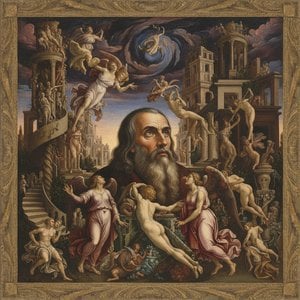
Explore the dramatic transition from High Renaissance harmony to Mannerist tension. Discover how masters like El Greco redefined art through distortion and spiritual intensity. An expert guide for art enthusiasts seeking deep historical context and museum-quality inspiration.

Tutustu Francis Baconin 25 mestariteokseen – synkkää tunnetta, modernia taidetta ja ihmiskuvauksen syvyyttä. Löydä tarinat maalauksien takaa ja inspiroi sisustusta WahooArt.comissa! Tutki koko kokoelma verkossa.

Uppoudu barokin loistokkuuteen! Tutustu Caravaggion, Rembrandtin ja Vermeerin kaltaisten mestareiden tunnetuimpiin teoksiin. Taidehistoriaa kotiisi – löydä upeat taidetulosteet ja canvas-taulut WahooArt.comista.

Explore the captivating world of El Greco! Discover his unique style, spiritual intensity, and lasting impact on art history. Learn about this Renaissance master's life, iconic paintings & legacy.

Tutustu El Grecon 25 vaikuttavimpaan mestariteokseen! Uppoudu espanjalaisen renessanssin ja manierismin maailmaan. Taidehistoriaa, uskonnollisia maalauksia ja inspiraatiota kotiisi – löydä upeat taidevedokset WahooArt.comista.

 Katso seinällä
 Lähetä
 Jaa
Jaa
 Tarkemmat tiedot
 Opas
Opas

 Lataa kuva
 Samanlaisia kohteita
 Röntgenkuvaus
 Diaesitys
 Tilastot
 Lue lisää







 Lasivaihtoehto on saatavilla vain alle 110 cm kokoisille teoksille


