

Tällä sivulla esitettyä taideteosta suojaa tekijänoikeuslaki, mikä tarkoittaa, ettemme voi laillisesti luoda tai myydä täsmälleen samanlaista jäljennöstä. Tämä suoja toteutetaan kansainvälisten sopimusten, kuten esimerkiksi Berne-konventio ja kansallisilla laeilla, mukaan lukien niillä määritellyt Yhdysvaltain tekijänoikeuslaki – Luku 17. Kaikki oikeudet pidätetään. Luvaton kopiointi tai jäljittely on kielletty.
Tämä menetelmä noudattaa täysin tekijänoikeussäännöksiä, sillä se ei sisällä suojatun taideteoksen kopioimista tai jäljentämistä. Sen sijaan kyseessä on luova uudelleentulkinta – uusi maalaus, joka ammentaa vaikutteita alkuperäisestä, mutta ei ole sen identtinen kopio.
Museolaatuisia giclée- tai kankaitaulun tulosteita nopealla tuotannolla ja joustavilla viimeistelyvaihtoehdoilla. ( Tilaa käsinmaalattu jäljennös Siirry digitaaliseen kuvaan)





























Valitse valmiista mitoistamme sellaiset, jotka vastaavat teoksen alkuperäisiä mittasuhteita.

Kirjoita tarvitsemasi leveys ja korkeus, jotta tuloste sopii kehyskokoon tai seinällesi. Tulostetta voidaan vain leikata, sitä ei voi koskaan tehdä suuremmaksi kuin alkuperäinen kuva, joten eri muotoinen koko aiheuttaa osan kuvasta katoamisen. Lähetämme sinulle digitaalisen mallikuvan hyväksyttäväksi ennen kuin aloitamme tulostuksen. Tällä sivulla näkyvä kuva ei näytä lopullista leikkausta — vain mallikuva näyttää sen.
Maailmanlaajuinen toimitus () 2 viikossa tavallisen 4–5 viikon sijaan. (22 lokakuu)
the city
Replikaatin koko
The City, painted by Edward Hopper in 1927, is a striking black and white depiction of early 20th-century American urban life. This artwork isn't merely a representation of buildings and streets; it’s an evocative exploration of solitude within the bustling metropolis.
The painting presents a typical city street, dominated by imposing structures that stretch upwards. Numerous windows suggest countless lives unfolding behind closed doors, yet remain largely anonymous and unknowable. Hopper populates the scene with a few pedestrians – figures absorbed in their own worlds, walking with heads down or lost in thought. A casually leaning bicycle and a stoic fire hydrant punctuate the streetscape, while a clock subtly emphasizes the relentless passage of time.
The City exemplifies Hopper’s signature style – American Realism imbued with profound emotional depth. His masterful use of stark black and white creates a dramatic, almost cinematic effect. The absence of color intensifies the sense of isolation and quiet contemplation. Hopper's precise rendering of architectural details—windows, clocks, fire hydrants—demonstrates meticulous observation. He wasn’t simply recording what he saw; he was distilling it to its essence, revealing psychological truths about modern urban existence.
Created during a period of rapid urbanization and social change in the United States, The City reflects a growing sense of alienation within burgeoning metropolises. Hopper was influenced by writers like Ralph Waldo Emerson, whose transcendentalist ideals explored individualism and introspection. He also drew inspiration from French Impressionists such as Manet and Degas, particularly their ability to capture fleeting moments of modern life with honesty.
The painting’s power lies in its subtle symbolism. The towering buildings represent the overwhelming scale of urban life, while the solitary figures embody a sense of anonymity and disconnection. The clock serves as a constant reminder of time's relentless march, adding to the feeling of transience and perhaps even anxiety. The City evokes nostalgia for a bygone era but also acknowledges the inherent loneliness that can accompany modern existence. It’s a work that invites quiet contemplation on the human condition.
This striking artwork would be a captivating addition to various interior settings:
To best showcase The City, consider displaying it in a well-lit space with ample wall area. A simple, neutral frame will enhance its impact without distracting from Hopper’s masterful composition. Its monochromatic palette makes it exceptionally versatile for pairing with various color schemes.
To gain a deeper understanding of Hopper’s artistic vision, explore other works that share similar themes of urban life and isolation, such as Office in a Small City, City Roofs, August in the City, and Approaching the City. These pieces offer further insight into his unique perspective on American modernity.
Teoksen "the city" väriharmonia on merkitty muodossa Strong Color Unity.
Teoksen Edward Hopper:n "the city" värianalyysi osoittaa Statement kontrastin ja Strong Color Unity harmonian.
Teokset, jotka muistuttavat teosta "the city", löytyvät teoksen Samankaltaisia -sivulta.


1931 - 1967 , Yhdysvallat

Elevate your most cherished memories with WahooArt’s bespoke service. We transform your personal photos into breathtaking, hand-painted black & white oil masterpieces. Experience museum-quality craftsmanship and timeless elegance for your private collection. Discover the art of legacy.
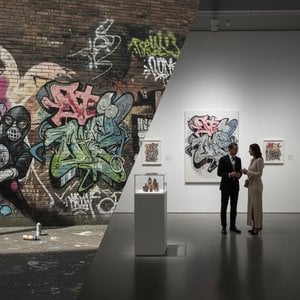
Explore the captivating journey of street art from urban walls to prestigious galleries. Discover how contemporary graffiti has evolved into a high-end collectible movement, redefining modern interior design and global art culture.

Explore the profound artistry of black and white photography. From historical mastery to the interplay of light and shadow, discover how monochrome captures timeless emotion and form through a sophisticated lens of art history.

 Katso seinällä
 Lähetä
 Jaa
Jaa
 Tarkemmat tiedot
 Opas
Opas

 Lataa kuva
 Samanlaisia kohteita
 Röntgenkuvaus
 Diaesitys
 Tilastot

 Lue lisää









 Lasivaihtoehto on saatavilla vain alle 110 cm kokoisille teoksille


