

 Acrylic On CanvasWallArtLandscape Painting
 1917
1917 40.0 x 40.0 cm
 Bosnia ja Hertsegovinan kansallinen galleria
Tällä sivulla esitettyä taideteosta suojaa tekijänoikeuslaki, mikä tarkoittaa, ettemme voi laillisesti luoda tai myydä täsmälleen samanlaista jäljennöstä. Tämä suoja toteutetaan kansainvälisten sopimusten, kuten esimerkiksi Berne-konventio ja kansallisilla laeilla, mukaan lukien niillä määritellyt Yhdysvaltain tekijänoikeuslaki – Luku 17. Kaikki oikeudet pidätetään. Luvaton kopiointi tai jäljittely on kielletty.
Tämä menetelmä noudattaa täysin tekijänoikeussäännöksiä, sillä se ei sisällä suojatun taideteoksen kopioimista tai jäljentämistä. Sen sijaan kyseessä on luova uudelleentulkinta – uusi maalaus, joka ammentaa vaikutteita alkuperäisestä, mutta ei ole sen identtinen kopio.
Museolaatuisia giclée- tai kankaitaulun tulosteita nopealla tuotannolla ja joustavilla viimeistelyvaihtoehdoilla. ( Tilaa käsinmaalattu jäljennös Siirry digitaaliseen kuvaan)





























Valitse valmiista mitoistamme sellaiset, jotka vastaavat teoksen alkuperäisiä mittasuhteita.

Kirjoita tarvitsemasi leveys ja korkeus, jotta tuloste sopii kehyskokoon tai seinällesi. Tulostetta voidaan vain leikata, sitä ei voi koskaan tehdä suuremmaksi kuin alkuperäinen kuva, joten eri muotoinen koko aiheuttaa osan kuvasta katoamisen. Lähetämme sinulle digitaalisen mallikuvan hyväksyttäväksi ennen kuin aloitamme tulostuksen. Tällä sivulla näkyvä kuva ei näytä lopullista leikkausta — vain mallikuva näyttää sen.
Maailmanlaajuinen toimitus () 2 viikossa tavallisen 4–5 viikon sijaan. (23 lokakuu)
Cismon
Replikaatin koko
“Cismon,” painted in 1917 by the esteemed Bosnian artist Đoko Mažalić, offers a captivating glimpse into the heart of Bosnia and Herzegovina. Measuring 40 x 40 cm, this landscape transcends mere representation; it’s an imbued expression of the region's natural beauty and a testament to Mažalić’s burgeoning artistic voice. The painting depicts a tranquil scene dominated by a majestic mountain range, its peaks rendered in a delicate blue hue that evokes both serenity and a sense of awe. Scattered throughout this vast expanse are trees – carefully placed to create depth and dimension – anchoring the viewer's gaze within the composition. Two figures, subtly integrated into the landscape near the center and on the right side, add an element of human scale and invite contemplation about our place within nature’s grandeur.
Đoko Mažalić's artistic journey is intrinsically linked to the early 20th-century development of Bosnian art. Born in Bosanska Kostunica in 1888, he was part of a pioneering generation of artists who benefited from formal training at the Academy of Fine Arts in Budapest (1910-1914). This exposure to European artistic trends – particularly Impressionism and early Modernism – profoundly shaped his style. Alongside contemporaries like Gabriel Jurkić and Petar Tiješić, Mažalić was instrumental in establishing a distinct Bosnian artistic identity, blending traditional landscape motifs with innovative techniques. His formative years in Budapest instilled a rigorous approach to composition and color theory, which he then skillfully applied to the evocative landscapes of his homeland.
Mažalić’s technique in “Cismon” exemplifies a harmonious blend of observation and artistic interpretation. The brushwork is generally smooth and controlled, creating a sense of atmospheric perspective that enhances the illusion of depth. The use of color is particularly noteworthy – the dominant blues of the mountains are skillfully juxtaposed with warmer tones in the trees and foreground, drawing the eye through the composition. While influenced by European trends, Mažalić’s style remains distinctly Bosnian, characterized by a sensitivity to local topography and a profound appreciation for the region's natural beauty. The painting demonstrates a mastery of light and shadow, capturing the subtle nuances of the landscape with remarkable precision.
Beyond its technical merits, “Cismon” resonates with deeper symbolic meanings. The mountains themselves often represent strength, resilience, and spiritual aspiration – themes prevalent in Bosnian folklore and religious traditions. The inclusion of human figures subtly reminds us of our connection to the natural world, prompting reflection on humanity’s role within a vast and timeless landscape. Painted in 1917, during a period of significant social and political change in Europe, the painting's serene depiction of nature offers a moment of quiet contemplation – a refuge from the turmoil of the era. The overall effect is one of profound peace and beauty, inviting viewers to lose themselves in the timeless grandeur of the Bosnian landscape.
Square-muotoisena "Cismon"-teoksen reproduktio sopii erinomaisesti Living Room-tilaan.
Suositeltu käyttötapa teoksen "Cismon" painosteelle on Accent.
Teoksen Đoko Mazalić:n "Cismon" värianalyysi osoittaa Serene kontrastin ja Softly Mixed Palette harmonian.


1888 - 1975 , Bosnia ja Herzegovina

Embark on a visual journey through the world's most serene parks. Discover how master artists capture light, texture, and tranquility through exquisite oil paintings and botanical landscapes designed for the discerning art enthusiast.
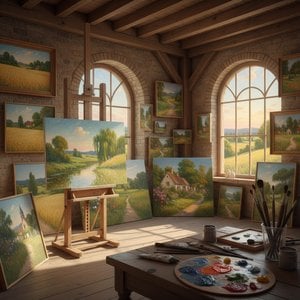
Discover the profound tranquility of rural art through an expert exploration of Impressionist landscapes. From pastoral scenes to textured oil masterpieces, learn how timeless nature-inspired artworks bring enduring elegance and serenity to sophisticated collectors.

 Katso seinällä
 Lähetä
 Jaa
Jaa
 Tarkemmat tiedot
 Opas
Opas

 Lataa kuva
 Samanlaisia kohteita
 Röntgenkuvaus
 Diaesitys
 Tilastot
 Lue lisää









 Lasivaihtoehto on saatavilla vain alle 110 cm kokoisille teoksille


