Museolaatuisia giclée- tai kankaitaulun tulosteita nopealla tuotannolla ja joustavilla viimeistelyvaihtoehdoilla. ( Tilaa käsinmaalattu jäljennös Siirry digitaaliseen kuvaan)





























Valitse valmiista mitoistamme sellaiset, jotka vastaavat teoksen alkuperäisiä mittasuhteita.

Voit syöttää omat mitat sopiaksesi tiettyyn kehykseen tai tilaan. Jos valittu koko ei vastaa alkuperäisen kuvan mittasuhteita, rajaamme teosta tai laajennamme kuvaa peilatulla tai yhtenäisellä reunalla. Digitaalinen mallikuva lähetetään hyväksyttäväksi ennen tuotannon aloittamista.
Huomaathan, että näytöllä näkyvä esikatselu ei vastaa lopullista rajausta tai laajennusta. Vain mallikuva näyttää lopullisen sommittelun tarkasti.
Vaikka räätälöityjä kokoja on saatavilla, suosittelemme valitsemaan mitat valmiista listasta alkuperäisten mittasuhteiden säilyttämiseksi.
Maailmanlaajuinen toimitus () 2 viikossa tavallisen 4–5 viikon sijaan. (22 syyskuu)


Feast bacchus
Replikaatin koko
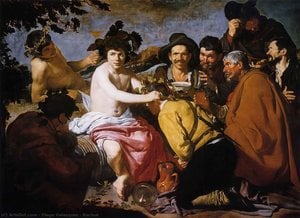
The scene unfolds as a vibrant tapestry woven from human connection and earthly pleasure. At its heart lies a gathering steeped in the spirit of Bacchus—a celebration that transcends mere feasting, suggesting instead a communion with life's most potent joys. The composition centers around a figure, seemingly at the core of this revelry, who cradles an infant while seated upon the ground. This intimate tableau is encircled by companions whose postures and gazes suggest deep engagement in conversation or shared merriment. Scattered throughout the foreground are numerous wine glasses, catching the light like liquid jewels, serving as tangible markers of the feast's ongoing nature.
To gaze upon this work is to witness a profound demonstration of technical virtuosity, hallmarks of Diego Rodríguez de Silva y Velázquez’s unparalleled genius. His handling of light is nothing short of magical; it does not merely illuminate the figures but seems to emanate from them, defining contours and lending an almost palpable texture to the drapery and skin alike. The artist possesses a breathtaking ability to capture fleeting moments—the curve of a smile, the casual placement of a dog near the center, the relaxed sprawl of limbs—all rendered with an astonishing verisimilitude. This realism elevates the scene from a simple depiction to a living moment suspended in time.
The inclusion of Bacchus, the god of wine, ecstasy, and festivity, immediately situates the painting within a rich vein of classical mythology often explored during Spain's Golden Age. The gathering itself speaks to themes of fecundity, community, and the cyclical nature of life, symbolized by the presence of both the nurturing mother figure and the infant. The dogs, ever attentive observers in art history, ground the divine or mythological elements with an earthy loyalty. It is a complex interplay: the wild abandon suggested by the feast balanced against the quiet dignity captured in Velázquez’s portraiture.
For the discerning collector or designer, this reproduction offers more than just decoration; it offers an atmosphere. Imagine this piece anchoring a grand dining hall or a richly appointed salon. Its inherent energy—that lively buzz of conversation and shared wine—will infuse any room with warmth and cultured vitality. The depth achieved by Velázquez allows the eye to wander endlessly, discovering new nuances in shadow and gesture upon repeated viewing. Owning this work is acquiring a piece of history’s most sophisticated visual poetry.


1599 - 1660 , Espanja

Embark on a sophisticated exploration of Spanish art history, from the chiaroscuro mastery of Velázquez to the profound shadows of Goya. Discover how the dramatic light and emotional depth of Spain's greatest masters continue to inspire collectors and connoisseurs today.

Elevate your collection with the dramatic grandeur of Baroque oil masterpieces. WahooArt offers exquisite, hand-painted reproductions of the Great Masters, featuring authentic chiaroscuro and premium textures. Discover bespoke artistry and expert consultation for elite collectors worldwide.

Explore the dramatic mastery of Dutch Baroque art. Discover how chiaroscuro and light define the Golden Age, from Rembrandt's shadows to maritime grandeur. Perfect for classic art enthusiasts seeking deep historical insight and inspiration.

Explore the profound drama of Spanish Baroque art. Delve into the mastery of light, shadow, and realism through the legendary works of Diego Velázquez and the Spanish Golden Age.

 Katso seinällä
 Lähetä
 Jaa
Jaa
 Tarkemmat tiedot
 Opas
Opas

 Lataa kuva
 Samanlaisia kohteita
 Röntgenkuvaus
 Diaesitys
 Tilastot

 Lue lisää







 Lasivaihtoehto on saatavilla vain alle 110 cm kokoisille teoksille