

 Oil On CanvasWallArtModernism
 1937
1937 61.0 x 51.0 cm
 Arts Council Collection
Tällä sivulla esitettyä taideteosta suojaa tekijänoikeuslaki, mikä tarkoittaa, ettemme voi laillisesti luoda tai myydä täsmälleen samanlaista jäljennöstä. Tämä suoja toteutetaan kansainvälisten sopimusten, kuten esimerkiksi Berne-konventio ja kansallisilla laeilla, mukaan lukien niillä määritellyt Yhdysvaltain tekijänoikeuslaki – Luku 17. Kaikki oikeudet pidätetään. Luvaton kopiointi tai jäljittely on kielletty.
Tämä menetelmä noudattaa täysin tekijänoikeussäännöksiä, sillä se ei sisällä suojatun taideteoksen kopioimista tai jäljentämistä. Sen sijaan kyseessä on luova uudelleentulkinta – uusi maalaus, joka ammentaa vaikutteita alkuperäisestä, mutta ei ole sen identtinen kopio.
Museolaatuisia giclée- tai kankaitaulun tulosteita nopealla tuotannolla ja joustavilla viimeistelyvaihtoehdoilla. ( Tilaa käsinmaalattu jäljennös Siirry digitaaliseen kuvaan)





























Valitse valmiista mitoistamme sellaiset, jotka vastaavat teoksen alkuperäisiä mittasuhteita.

Kirjoita tarvitsemasi leveys ja korkeus, jotta tuloste sopii kehyskokoon tai seinällesi. Tulostetta voidaan vain leikata, sitä ei voi koskaan tehdä suuremmaksi kuin alkuperäinen kuva, joten eri muotoinen koko aiheuttaa osan kuvasta katoamisen. Lähetämme sinulle digitaalisen mallikuvan hyväksyttäväksi ennen kuin aloitamme tulostuksen. Tällä sivulla näkyvä kuva ei näytä lopullista leikkausta — vain mallikuva näyttää sen.
Maailmanlaajuinen toimitus () 2 viikossa tavallisen 4–5 viikon sijaan. (23 lokakuu)
Self Portrait (David)
Replikaatin koko
To stand before a self-portrait by David Bomberg is to encounter not merely an image, but a profound confrontation with the artist’s own gaze. This 1937 work, titled Self Portrait (David), pulses with an almost visceral energy. The subject matter—the artist himself—is rendered with a striking immediacy that pulls the viewer into the intimate space of creation. Bomberg, a key figure among the 'Whitechapel Boys,' channeled the restless spirit of early 20th-century London onto his canvas. Here, the self is presented not as a polished ideal, but as a study in raw, vibrant existence.
Technically, the painting commands attention through its audacious use of color. The background, an overwhelming field of deep, saturated red, acts less like a backdrop and more like an emotional atmosphere—a curtain drawn around the figure. This bold chromatic choice immediately establishes a dramatic tension that permeates every inch of the composition. Against this fiery expanse, the man’s face emerges, illuminated by a masterful interplay of light and shadow. The artist has enveloped his form in what appears to be a rich red robe or garment, creating a powerful echo between the subject's attire and the surrounding void. This deliberate repetition of color unifies the piece while simultaneously heightening the contrast that defines the portrait’s drama.
Bomberg’s career was marked by an absorption of major artistic movements, from the structured lessons learned under Walter Sickert to the revolutionary currents of Cubism. This Self Portrait stands as a testament to his mature style—a place where academic training meets raw emotional outpouring. While some of his contemporaries explored abstraction or narrative scenes, Bomberg often returned to the figure, grounding his avant-garde explorations in palpable human presence. The painting feels both deeply rooted in the tradition of portraiture and startlingly modern in its chromatic intensity, reflecting a pivotal moment in British art history.
For those who collect art not just for beauty but for narrative weight, this piece offers deep contemplation. The bold color scheme ensures that it functions as a powerful focal point in any interior space, lending an air of sophisticated drama. It speaks to themes of identity, visibility, and the intense act of self-examination. Owning a reproduction of this work allows one to bring home a piece charged with such palpable artistic struggle and vibrant life force. It is art that does not whisper; it resonates, demanding that you pause, look closer, and engage with the compelling spirit captured by David Bomberg.
Teoksen David Bomberg:n "Self Portrait (David)" hallitseva väri on Brown (#942f11).
Voit esikatsella teoksen David Bomberg:n "Self Portrait (David)" reproduktiota avaamalla teoksen Esikatselu -sivun.
Teoksen "Self Portrait (David)" formaatti on Portrait ja alkuperäinen koko on 61 x 51 cm. Molemmat tiedot ovat hyödyllisiä jäljennöstä suunnitellessa.

Puolalais-juutalaisten maahanmuuttajavanhempiensa, Abraham ja Rebecca Bombergin, poika aloitti opintonsa City and Guilds Technical Art Schoolissa ennen kuin hän erikoistui litografiksi Birminghamissa.
Hän opiskeli Walter Sickertin alaisuudessa Westminster School of Artissa (1908–1910), ja häneen vaikutti voimakkaasti Sickertin keskittyminen muotoon ja urbaaniin elämään. Vuoden 1910 Roger Fryn ”Manet ja postimpressionistit” -näyttely toi hänelle merkittävän kosketuksen Paul Cézannen maailmaan. Myöhemmin hän opiskeli Slade School of Artissa (1911), missä hän voitti Tonks-palkinnon luomallaan piirroksellaan opiskelutoveristaan Isaac Rosenbergista.
Kokemukset sotilaana ensimmäisen maailmansodan aikana vaikuttivat syvästi hänen taiteelliseen näkemykseensä ja johtivat siirtymiseen pois abstraktiosta.
1920-luku toi mukanaan Bombergin siirtymisen figuuriivisempaan tyyliin, keskittyen muotokuviin ja suoraan luonnosta ammennettuihin maisemiin. Hän kehitti yhä ekspressionistisempaa tekniikkaa, jota leimasivat teksturoitu impasto ja emotionaalinen intensiteetti.
Laajat matkat Lähi-itään (erityisesti Palestiinaan) ja Eurooppaan vaikuttivat merkittävästi hänen myöhempään tuotantoonsa. Hänen kuvauksensa Jerusalemista ovat erityisen huomionarvoisia.

1890 - 1957 , Yhdistynyt kuningaskunta

Explore the captivating world of introspective art! Discover how artists across eras – from Rembrandt to Kahlo – used self-portraiture to reveal their inner worlds and emotional depths. A journey through art history & psychology.

Explore the fascinating history of self-portraiture from Renaissance masters like Dürer & Rembrandt to modern interpretations. Discover the psychological insights and artistic techniques behind these iconic works. Expert analysis for art enthusiasts.
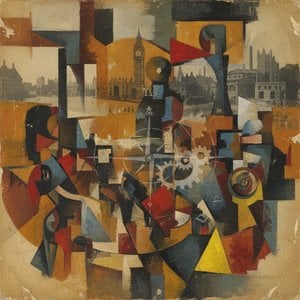
Explore the groundbreaking work of David Bomberg, a pivotal figure in British abstraction. Discover his artistic evolution, influences, and lasting legacy through insightful analysis & expert commentary.

Explore the rich symbolism of the red dress in art history! From ancient power displays to iconic portraits like Cézanne’s 'Madame Cezanne', discover the cultural and artistic significance behind this captivating color. Expert analysis & insights.

Explore the rich history of self-representation in art, from Renaissance masters to modern innovators. Discover how artists use portraiture to reveal identity, emotion & the depths of the human psyche. Expert insights for collectors.

 Katso seinällä
 Lähetä
 Jaa
Jaa
 Tarkemmat tiedot
 Opas
Opas

 Lataa kuva
 Samanlaisia kohteita
 Röntgenkuvaus
 Diaesitys
 Tilastot
 Lue lisää









 Lasivaihtoehto on saatavilla vain alle 110 cm kokoisille teoksille


