

 Acrylic On CanvasWallArtAbstract Expressionism
 1971
1971 202.0 x 165.0 cm
 Metropolitanin museo
Tällä sivulla esitettyä taideteosta suojaa tekijänoikeuslaki, mikä tarkoittaa, ettemme voi laillisesti luoda tai myydä täsmälleen samanlaista jäljennöstä. Tämä suoja toteutetaan kansainvälisten sopimusten, kuten esimerkiksi Berne-konventio ja kansallisilla laeilla, mukaan lukien niillä määritellyt Yhdysvaltain tekijänoikeuslaki – Luku 17. Kaikki oikeudet pidätetään. Luvaton kopiointi tai jäljittely on kielletty.
Tämä menetelmä noudattaa täysin tekijänoikeussäännöksiä, sillä se ei sisällä suojatun taideteoksen kopioimista tai jäljentämistä. Sen sijaan kyseessä on luova uudelleentulkinta – uusi maalaus, joka ammentaa vaikutteita alkuperäisestä, mutta ei ole sen identtinen kopio.
Museolaatuisia giclée- tai kankaitaulun tulosteita nopealla tuotannolla ja joustavilla viimeistelyvaihtoehdoilla. ( Tilaa käsinmaalattu jäljennös Siirry digitaaliseen kuvaan)





























Valitse valmiista mitoistamme sellaiset, jotka vastaavat teoksen alkuperäisiä mittasuhteita.

Voit syöttää omat mitat sopiaksesi tiettyyn kehykseen tai tilaan. Jos valittu koko ei vastaa alkuperäisen kuvan mittasuhteita, rajaamme teosta tai laajennamme kuvaa peilatulla tai yhtenäisellä reunalla. Digitaalinen mallikuva lähetetään hyväksyttäväksi ennen tuotannon aloittamista.
Huomaathan, että näytöllä näkyvä esikatselu ei vastaa lopullista rajausta tai laajennusta. Vain mallikuva näyttää lopullisen sommittelun tarkasti.
Vaikka räätälöityjä kokoja on saatavilla, suosittelemme valitsemaan mitat valmiista listasta alkuperäisten mittasuhteiden säilyttämiseksi.
Maailmanlaajuinen toimitus () 2 viikossa tavallisen 4–5 viikon sijaan. (13 lokakuu)
Untitled
Replikaatin koko
Clyfford Still’s 1971 painting, “Untitled,” isn’t a landscape to be observed or a figure to be deciphered. Instead, it’s an experience—a visceral plunge into the heart of abstract expressionism, rendered with a deliberate roughness and a profound sense of urgency. The work immediately commands attention through its dominant verticality; these stark lines, painted in deep black against a bruised crimson backdrop, create a powerful division within the canvas, suggesting both containment and explosive release. This isn’t an attempt to mimic nature or represent recognizable forms; rather, Still utilizes color and line as primary languages of feeling, conveying a complex emotional state through their interaction.

What initially appears as a simple color field painting reveals itself to be remarkably tactile upon closer inspection. Still’s technique is deliberately unrefined, eschewing the smooth, blended surfaces favored by some of his contemporaries. Thick, visible brushstrokes—evidence of application with palette knives or similar tools—build up layers of paint that possess an almost sculptural quality. The edges aren't neatly finished; instead, they exhibit signs of wear and tear – peeling paint, a deliberate rejection of the pristine aesthetic. This roughness isn’t accidental; it speaks to the artist’s process, his engagement with the materiality of the canvas itself, and perhaps even a reflection of the emotional turmoil he sought to express. The varying thickness of the paint—thicker in the central lines, thinner around the edges—creates subtle shifts in tone and texture, adding depth and dynamism to the composition.
Clyfford Still emerged as a pivotal figure within Abstract Expressionism, yet his approach was markedly distinct. Unlike the gestural energy of Jackson Pollock or the meditative color fields of Mark Rothko, Still’s work is characterized by its stark geometry and raw emotional intensity. Born in 1904 amidst the vast landscapes of North Dakota, his early life instilled a deep connection to the natural world – a connection that subtly informs the painting's underlying tension. His shift towards non-figurative abstraction occurred earlier than many of his peers, forging a path toward a new visual language rooted in personal experience and emotional expression. The 1971 “Untitled” exemplifies this approach, moving beyond mere color to explore the very essence of form and feeling. It’s important to note that Still deliberately distanced himself from the commercial art world later in his career, prioritizing artistic integrity over market appeal – a stance reflected in the painting's unpolished surface and uncompromising emotional directness.
While devoid of explicit imagery, “Untitled” is profoundly evocative. The stark vertical lines can be interpreted as barriers—divisions between states of being, perhaps—while the crimson background suggests both passion and danger. The green areas, applied more thinly, might represent moments of respite or vulnerability within this turbulent landscape. Still’s work resists easy interpretation; it invites viewers to project their own emotions and experiences onto its surface. It's a painting that demands engagement, prompting reflection on themes of isolation, struggle, and the fundamental nature of human experience. The deliberate lack of resolution—the unfinished edges, the raw texture—suggests an ongoing process, a perpetual state of becoming rather than a fixed representation.
Voit esikatsella teoksen Clyfford Still:n "Untitled" reproduktiota avaamalla teoksen Esikatselu -sivun.
Teoksen Clyfford Still:n "Untitled" tunnetila on määritelty olevan Powerful. Se tiivistää teoksen välittämän tunnelman.
Clyfford Still:n "Untitled" on luotu vuonna 1971.
Teoksen "Untitled" väripaletti on kylläisyydeltään Clear Color Presence.
"Untitled" on luokiteltu kategoriaan Recognized.
Teokset, jotka muistuttavat teosta Clyfford Still:n "Untitled", on koottu teoksen Samankaltaisia -sivulle.
Teoksen Clyfford Still:n "Untitled" hallitseva väri on Espresso (#3d2821).
Clyfford Still teos "Untitled" on on edelleen tekijänoikeuden suojaama. Tekijänoikeusajat lasketaan taiteilijan kuolinvuodesta, ja Clyfford Still kuoli vuonna 1980.

1904 - 1980 , Yhdysvallat

Tutustu abstraktin ekspressionismin 10 mestariteokseen! Jackson Pollock, Mark Rothko ja muut taiteilijat inspiroivat tunteellisuudellaan. Löydä upeita taidemaalauksia kotiisi WahooArt.comista – museolaatuista laatua ja sisustusehdotuksia.
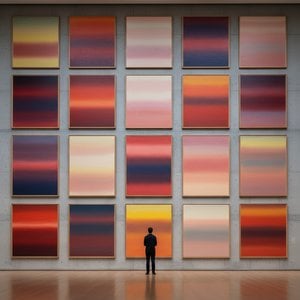
Tutustu Mark Rothkon 25 mestariteokseen ja syvälliseen maailmaan abstraktin ekspressionismin parissa. Löydä tunteelliset väritaulut, taidehistorian helmet ja inspiraatiota kotiisi WahooArtilta. Tutki kokoelma verkossa!

Explore the profound world of Clyfford Still's Abstract Expressionism with WahooArt. Discover his unique style, existential themes & investment potential. Expert analysis for discerning collectors.

Tutustu Wassily Kandinskin 25 vaikuttavinta teosta! Uppoudu abstraktin taiteen maailmaan, värien symboliikkaan ja modernin ekspressionismin historiaan. Löydä inspiraatiota kodin sisustukseen WahooArt.com:ista – laadukkaat taideprintit ja reproduktiot.

Explore the profound emotional world of Abstract Expressionism with WahooArt. Discover key artists like Pollock & Rothko, learn about collecting, and find museum-quality reproductions to inspire your space.

 Katso seinällä
 Lähetä
 Jaa
Jaa
 Tarkemmat tiedot
 Opas
Opas

 Lataa kuva
 Samanlaisia kohteita
 Röntgenkuvaus
 Diaesitys
 Tilastot
 Lue lisää









 Lasivaihtoehto on saatavilla vain alle 110 cm kokoisille teoksille


