

Museolaatuisia giclée- tai kankaitaulun tulosteita nopealla tuotannolla ja joustavilla viimeistelyvaihtoehdoilla. ( Tilaa käsinmaalattu jäljennös Siirry digitaaliseen kuvaan)





























Valitse valmiista mitoistamme sellaiset, jotka vastaavat teoksen alkuperäisiä mittasuhteita.

Kirjoita tarvitsemasi leveys ja korkeus, jotta tuloste sopii kehyskokoon tai seinällesi. Tulostetta voidaan vain leikata, sitä ei voi koskaan tehdä suuremmaksi kuin alkuperäinen kuva, joten eri muotoinen koko aiheuttaa osan kuvasta katoamisen. Lähetämme sinulle digitaalisen mallikuvan hyväksyttäväksi ennen kuin aloitamme tulostuksen. Tällä sivulla näkyvä kuva ei näytä lopullista leikkausta — vain mallikuva näyttää sen.
Maailmanlaajuinen toimitus () 2 viikossa tavallisen 4–5 viikon sijaan. (26 lokakuu)
Cap Martin 1
Replikaatin koko
Claude Monet's "Cap Martin," painted in 1884, isn’t merely a depiction of a Provençal coastline; it’s an immersive experience of light, atmosphere, and the fleeting beauty of nature. This work, rendered with Monet’s signature Impressionistic brushstrokes, captures a pivotal moment – a serene afternoon on the rugged cliffs overlooking the Mediterranean Sea near Menton. The painting immediately draws the eye to the interplay of color and texture: the vibrant blues and greens of the water contrasting sharply with the ochre and grey tones of the rocks and trees that frame the scene. It’s a testament to Monet's revolutionary approach, abandoning traditional academic techniques in favor of capturing his *impression* of the landscape – not a photographic representation, but rather an emotional response to what he saw.
Monet’s decision to paint “en plein air” – directly from nature – is crucial to understanding the work's power. He sought to record the ever-changing effects of light and weather on the scene, a challenge that demanded quick observation and decisive brushwork. Notice how he uses broken strokes of color, layering them upon one another to create an illusion of depth and movement. The boats in the water aren’t sharply defined; instead, they are suggested through dappled reflections and hazy outlines, contributing to the overall sense of atmospheric perspective. This technique, central to Impressionism, allows the viewer to participate in the act of seeing – to reconstruct the image based on their own experience of light and color.
To fully appreciate “Cap Martin,” it's essential to understand the historical context in which it was created. The 1880s marked a period of significant artistic upheaval, as artists increasingly rejected the rigid conventions of academic painting. Claude Monet, along with fellow Impressionists like Renoir and Pissarro, sought to break free from traditional subject matter – grand history paintings or mythological scenes – and instead focus on everyday life and the natural world. This shift was fueled by advancements in color theory and a growing interest in scientific observation, particularly the work of Eugène Boudin, who profoundly influenced Monet’s early career.
Boudin's insistence on painting outdoors, directly observing the effects of light and atmosphere, proved transformative for Monet. It liberated him from the constraints of the studio and allowed him to capture the ephemeral qualities of nature with unprecedented accuracy. “Cap Martin” embodies this philosophy perfectly – a celebration of the transient beauty of a coastal scene, painted with immediacy and passion. The painting’s creation coincided with Monet's increasing dedication to capturing the light of Giverny, where he would later establish his iconic water lily garden.
Beyond its technical brilliance, “Cap Martin” resonates with a quiet sense of tranquility and contemplation. The composition – dominated by the expansive sea and the rugged coastline – evokes a feeling of vastness and solitude. The scattered trees, rendered in loose, expressive brushstrokes, suggest both resilience and vulnerability, mirroring the enduring power of nature against the backdrop of human activity.
The boats themselves can be interpreted as symbols of travel, exploration, and connection to the wider world. They are small, almost insignificant details within a grand landscape, yet they add a layer of narrative complexity to the scene. Monet’s masterful use of color and light imbues the painting with an emotional depth that transcends mere representation – it invites us to lose ourselves in the beauty of the moment and contemplate our own relationship to nature.
WahooArt.com offers meticulously crafted, hand-painted reproductions of Claude Monet’s “Cap Martin,” allowing you to bring this iconic artwork into your home or office with unparalleled authenticity. Our skilled artists replicate Monet's delicate brushwork and vibrant color palette using traditional oil painting techniques, ensuring that every detail is faithfully reproduced. Whether you are an art collector, interior designer, or simply a lover of beautiful things, our reproduction provides a stunning tribute to one of the greatest painters of all time. Explore the full artwork details and order your custom reproduction today at WahooArt.com.
Claude Monet:n toistuvia teemoja ovat en plein air, light studies, coastal views, impressionist style, series work; "Cap Martin 1" keskittyy aiheisiin coastline, landscape, boats, trees, water, sky, riviera.
Claude Monet:n "Cap Martin 1" välittää Tranquil tunteen yleisessä Serene tunnelmassa.
"Cap Martin 1" on saatavilla muodossa taideteosvedos puuvillakangas- tai arkistoluokan kankaalle painettuna. Tilaukset tehdään sen Taidevedos -sivulla valitsemassasi koossa.

Oscar-Claude Monet, nimi joka on synonyymi impressionismille, ei ollut pelkästään maisemamaalari; hän oli katoavien hetkien kronikoija, valon ja värin runoilija. Hän syntyi Pariisissa 14. marrasta 1840, mutta hänen varhaiset vuotensa saivat odottamattoman käänteen, kun perhe muutti Le Havreen Normandiaan viisivuotiaana. Vaikka hänen isänsä toivoi hänestä alun perin kaupallista uraa, nuoren Clauden luontainen taiteellinen lahjakkuus nousi nopeasti esiin ilmestyen ensin paikallisesti myydyissä hiilipiirroskarikatyyreissä – todisteena sekä hänen taidostaan että yrittäjähengestään. Kuitenkin ratkaisevaksi osoittautui kohtaaminen Eugène Boudinin kanssa. Boudin ei opettanut Monet’ta vain *miten* maalata; hän istutti häneen vallankumouksellisen ajatuksen maalata en plein air – suoraan luonnosta – käytännöstä, joka määrittäisi hänen koko taiteellisen matkansa.
Monetin virallinen koulutus alkoi Pariisissa, lyhyesti Académie Suessa ja myöhemmin Charles Gleyn alaisuudessa. Juuri täällä hän solmi pysyviä ystävyyssuhteita muiden taiteilijoiden, kuten Auguste Renoirin, kanssa – siteen, joka rakennettiin yhteisten taiteellisten turhautumisten ja halun varaan vapautua perinteisen akateemisen maalaustavan rajoitteista. Hänen varhaiset teoksensa osoittivat teknistä taituruutta, mutta niistä puuttui vielä se omaleimainen ääni, joka pian määrittelisi hänen tyylinsä. Seuraa epävarmuuden aika – Franco-Preussin sota pakotti Monet’n etsimään turvapaikkaa Lontoosta, missä hän uppoutui englantilaisten maisemamestareiden, kuten J.M.Wh Turnerin, työhön ja omaksui heidän ilmakehän vaikutelmia sekä innovatiivista värinkäyttöään.
Palattuaan Ranskaan Monet nousi kasvavan taiteellisen kapinan keskeiseksi hahmoksi. Tyytymättömänä Salonin konservatiivisiin standardeihin, hän liittyi muiden sammallaisten taiteilijoiden joukkoon järjestääkseen itsenäisiä näyttelyitä. Vuoden 1874 näyttely osoittautui käännekohdaksi ei vain Monetille, vaan koko taidemaailmalle. Juuri täällä esitettiin hänen maalauksensa ”Impression, soleil levant” (Impression, Sunrise) – usvainen kuvaus Le Havren satamasta aamunkoitteessa – ja siitä alkuperäisin tuo ivallinen termi "impressionismi". Nimi kuitenkin jäi elämään ja kehittyi kunnianmerkiksi liikkeelle, joka pyrki vangitsemaan kohteen subjektiivisen *vaikutelman* pikemminkin kuin sen tarkan esityksen.
Monetin tunnusomainen tyyli kukoisti tänä aikana: rennot, näkyvät siveltimenvedot, eloisat ja usein sekoittamattomat värit rinnakkain asetettuina (tekniikka, joka tunnetaan nimellä ”broken color”) sekä järkkymätön keskittyminan valon katoavaisuuden vangitsemiseen. Hän tavoitteli periksiantamattomasti plein air -harjoitustaan työskennellen nopeasti tallentaakseen välittömät havaintonsa ennen kuin muuttuvat olosuhteet muuttivat näkymää. Tämä omistautuminen ei koskenut vain sitä, mitä hän *näki*, vaan pikemminkin sitä, miltä hän *tuntui* vastauksena siihen – radikaali poikkeama taiteellisista konventioista.
Vuonna 1883 Monet asettui Givernyyn, Pariisin luoteispuolelle, perustaaen kodin ja puutarhan, josta tulisi sekä hänen pyhättönsä että hänen suurin inspiraationlähteensä. Hän muutti kiinteistön huolellisesti hienostuneeksi paratiisiksi, joka sisälsi eksoottisia kukkia, itkuojia ja kuuluisimman osan: japanilaista siltaa reunustavan lumpeelammikon. Tämä ei ollut pelkkä koristepuutarha; se oli elävä laboratorio, jossa Monet saattoi tutkia valon vaikutuksia veteen, lehdistöön ja heijastuksiin hallituissa olosuhteissa.
Hänen elämänsä viimeiset vuosikymmenet omistettiin lähes kokonaan Givernyn lumpeelammikon maalaamiselle. Hän aloitti monumentaalisen Water Lilies -sarjan (Nymphéas), luoden valtavia kangasta, jotka esittivät lammen pinnan jatkuvasti muuttuvana värien ja valon kudoksena. Nämä eivät olleet vain maalauksia kukista; ne olivat upottavia kokemuksia, joiden tarkoituksena oli kietoa katsoja seesteisen kauneuden ja mietiskelevän tyynen maailman syleilyyn. Näiden teosten mittakaava on henkeäsalpaava, työntäen perinteisen maalaustaiteen rajoja ja ennakoiden abstraktia ekspressionismia.
Claude Monet’n vaikutus taidehistoriaan on mittaamaton. Hän ei ollut ainoastaan impressionismin perustaja; hän muutti perustavanlaatuisesti tapaa, jolla taiteilijat havaitsevat ja esittävät ympäröivää maailmaa. Hänen painotuksensa subjektiiviseen kokemukseen, plein air -maalaustavan omaksuminen ja innovatiiviset tekniikat ravasivat tietä modernin taiteen tutkimuksille abstraktiosta ja epärepresentatiivisista muodoista.
Monet saavutti elinaikanaan huomattavaa kaupallista menestystä – mikä oli harvinaista hänen aikansa avantgarde-taiteilijoille. Hänen työnsä jatkavat ihailun herättämistä ja lumoavat yleisöjä ympäri maailmaa, vahvistaen hänen paikkansa yhtenä läntisen taiteen tärkeimmistä hahmoista. Hän kuoli 5. joulukuuta 1926 jättäen jälkeensä perinnön, joka resonoi sukupolvien yli taiteilijoiden ja taiteen ystävien keskuudessa. Hänen mestariteoksiaan säilytetään arvostetuissa instituutioissa, kuten Pariisin Musée d’Orsayssa ja Musée Marmottan Monetissa, varmistaen, että hänen visionsa jatkaa maailman valaisemista.

1840 - 1926 , Ranska
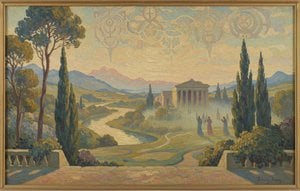
Explore the captivating world of Henri Martin, a French Post-Impressionist bridging Impressionism & Symbolism. Discover his unique style, influential landscapes, and lasting legacy with WahooArt.

Tutustu 10 ikoniseen impressionistimaisemaan! Claude Monet’n ja muiden mestareiden teokset heräävät eloon. Taiteen historiaa, tekniikoita ja inspiraatiota kotiisi – WahooArt.com:sta löydät museolaatuiset taideprintit ja sisustusehdotukset. Tutki kokoelma verkossa!

Tutustu Paul Cézannen 25 vaikuttavinta mestariteosta! Postimpressionismin huipputeoksia, still life -maalauksia ja ikonisia maisemia. Löydä taiteen tarinat ja inspiroi kotisi sisustusta WahooArt.com:ssa. Tutki kokoelma verkossa!
Tutustu Claude Monet'n 25 mestariteokseen! Uppoudu impressionismin maailmaan, vesililyistä Rouenin katedraaliin. Löydä taideprintit ja inspiraatiota sisustukseesi WahooArt.comista. Tutki kokoelma verkossa!
Tutustu impressionismin lumoavaan maailmaan! Koe Claude Monet'n, Renoir'n ja muiden mestareiden ikonisten maisemamaalausten tarinat. Löydä inspiraatiota sisustukseen WahooArtista – taidetta museolaadulla. Explore the full collection online!

 Katso seinällä
 Lähetä
 Jaa
Jaa
 Tarkemmat tiedot
 Opas
Opas

 Lataa kuva
 Samanlaisia kohteita
 Röntgenkuvaus
 Diaesitys
 Tilastot
 Lue lisää









 Lasivaihtoehto on saatavilla vain alle 110 cm kokoisille teoksille


