
Esikatselu Esikatsele AR-tilassa Vaihda tulosteeseen Osta käsinmaalattu taideteos Jaa teos
Tiedot Opas Lisää suosikkeihin Lataa kuva Samanlaisia kohteita Röntgenkuvaus Diaesitys Tilastot

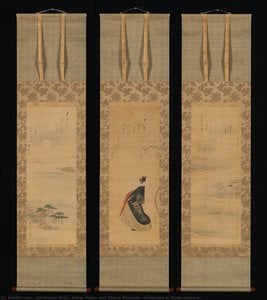
Praying for rain

Explore the captivating world of chobunsai eishi, a renowned Japanese ukiyo-e artist celebrated for his exquisite bijin-ga portraits & scenes from 'The Tale of Genji'. Discover his legacy!

Saat tulostusvalmiin tiedoston, jonka laatu ylittää verkkonäkymän huomattavasti. Jokainen myymämme digitaalinen kuva on peräisin arkistomme korkearesoluutioisesta mestariteoksesta — yleensä 5 000–15 000 pikselin levyisenä — joten voit tulostaa suuria kokoja, rajata tiukasti tai toistaa hienovaraiset yksityiskohdat luottavaisin mielin.

Mikään tiedosto ei lähde studiostamme muuttamatta. Digitaalinen asiantuntija vertaa värejä alkuperäiseen maalaukseen ja korjaa niitä tarvittaessa, minkä jälkeen hän parantaa kuvan selkeyttä ja yksityiskohtia ammattimaisilla retusointityökaluilla — säilyttäen aina uskollisena taiteilijan siveltimenjäljen ja tyylin. Lopputuloksena on kuva, joka näyttää maalauselta, eikä suodatetulta skannaukselta.

Hyväksyt työn ennen valmistumistaan: asiantuntijamme lähettää kuvan tarkistettavaksi sähköpostitse 72 tunnin kuluessa. Etkö ole tyytyväinen? Pyydä parannuksia tai korjauksia, tai pyydä hyvitystä, mikäli laatu ei vastaa odotuksia.

Tämä on laatua, johon kustantamot, design-studiot, galleriat ja painotalot luottavat.

Digitaalinen kuva

Lataa korkearesoluutioinen tiedosto henkilökohtaiseen näyttelyyn, tulostamiseen ja luoviin projekteihin. ( Vaihda tulosteeseen Osta käsinmaalattu taideteos)

Kokonaishinta

€ 21,90

Sisältyy jokaiseen digitaalisen kuvan tilaukseen

Asiantunteva digitaalinen toimitus, laatu taattu

Kun valitset WahooArt.com-palvelun, et saa vain kuvaa – saat ammattimaisesti viimeistellyn digitaalisen taideteoksen, joka on luotu tarkkuudella ja jonka takaa tulee tyytyväisyystakuu. Tässä on kaikki, mitä tilauksesi sisältää, automaattisesti:

Nopea sähköpostitoimitus

Saat korkearesoluutioisen digitaalisen kuvatiedostosi sähköpostiisi 72 tunnin kuluessa tilauksesta – valmiina käytettäväksi välittömästi.

Tekoälyllä parannettu digitaalinen tiedosto

Teoksesi on optimoitu ammattimaisesti edistyneiden tekoälytyökalujen ja manuaalisen jälkikäsittelyn avulla, mikä takaa maksimaalisen yksityiskohtaisuuden, selkeyden ja väritarkkuuden.

Ilmainen uudelleenlähetys elinikäisesti

Oletko vahingossa poistanut tai kadottanut tiedostosi? Ei hätää – lähetämme sen sinulle uudelleen milloin tahansa täysin maksutta.

Ei tuontimaksuja – koskaan

Nauti taiteestasi välittömästi ilman tullimaksuja, veroja tai toimituskuluja – digitaaliset lataukset ovat aina verovapaita.

Värintoiston tarkkuustakuu

Varmistamme, että digitaalinen kuvasi vastaa alkuperäisiä värejä mahdollisimman tarkasti käyttämällä ammattilaistason työkaluja ja värinhallintaa.

100 päivän tyytyväisyystakuu

Jos et ole tyytyväinen digitaaliseen kuvaasi, muokkaamme sitä tai palautamme 100% hinnan 100 päivän kuluessa – kysymystä ei esitetä.

100% Rahat takaisin -takuu

Et ole tyytyväinen? Saat täyden hyvityksen 100 päivän kuluessa digitaalisen tiedostosi vastaanottamisesta – kysymystä ei esitetä.

Määräalennukset

Osta 3 kuvaa, säästä 10% - Osta 5, säästä 15% - Osta 10+, säästä 20%. Erinomainen valinta luoviin projekteihin, gallerioille ja toimistoille.

Taiteilijan esittely

Chobunsai Eishi: The Poet of Beauty

Chobunsai Eishi (1756-1829), also known as Hosoda Tokitomi, stands as a pivotal figure in the vibrant world of Edo-period Japanese art. Born into a distinguished samurai family within the prestigious Fujiwara clan – a lineage tracing back to influential roles within the shogunate – Eishi’s life was one of privilege and ultimately, artistic liberation. His early years were marked by service within the Tokugawa court, a position he relinquished in 1789 to dedicate himself fully to his passion: capturing the exquisite beauty of women and the evocative narratives of classic literature. Eishi's legacy rests primarily on his masterful *bijin-ga* – portraits of beautiful women – but his work also encompasses scenes drawn from celebrated tales like “The Tale of Genji,” demonstrating a profound understanding of both artistic technique and cultural storytelling.

Early Life and Artistic Foundations

Eishi’s origins were steeped in tradition and influence. His grandfather, Hosoda Tokitoshi, had served as Treasury Minister to the shogunate, providing his family with a secure position within the imperial system. This background instilled in Eishi a sense of decorum and an appreciation for refined aesthetics. While the exact circumstances surrounding his artistic awakening remain somewhat shrouded in mystery, it’s believed he received early instruction from Kanō Michinobu, a prominent master of the Kanō school of painting – renowned for its meticulous detail and stylized depictions of nature and religious subjects. The influence of this training is evident in Eishi's initial works, which shared some stylistic similarities with the Kanō tradition. However, Eishi quickly forged his own distinctive path, establishing himself as a leading figure within the *ukiyo-e* genre, known for its woodblock prints capturing fleeting moments of beauty and everyday life. The name “Eishi,” bestowed upon him – whether by Shogun Ieharu or through tradition – marked a significant step in his artistic journey, signifying his recognition as a skilled artist.

A Rivalry of Styles: Kiyonaga and Utamaro

Eishi’s rise to prominence coincided with the flourishing careers of two other masters of *bijin-ga*: Kitagawa Kiyonaga and Utamaro Nishimura. Initially, Eishi found himself in direct competition with Kiyonaga, whose bold compositions and dramatic use of color set a high standard for portraiture. However, Eishi’s unique approach – characterized by an emphasis on elegance, subtlety, and a nuanced portrayal of female beauty – gradually established him as a distinct voice within the field. He skillfully captured not just physical appearance but also the inner lives and emotions of his subjects, creating portraits that resonated with viewers long after they were created. While Kiyonaga favored grand scale and theatrical presentation, Eishi excelled at conveying intimacy and grace, often depicting women in quiet moments of contemplation or delicate activities. This subtle difference in style ultimately cemented Eishi’s place alongside Utamaro as one of the most celebrated *bijin-ga* artists of his time.

Technique and Subject Matter

Eishi's technical prowess was remarkable, particularly for a period when woodblock printing was still evolving. He mastered the art of color layering – *nishiki-e*, utilizing multiple colors to create rich, luminous effects. His prints often featured subdued tones, reflecting contemporary regulations that discouraged ostentatious displays of wealth and extravagance. However, Eishi’s skill lay not just in his technical execution but also in his ability to imbue his subjects with a sense of life and personality. He frequently depicted women engaged in literary pursuits, such as reading or writing poetry – drawing inspiration from classic tales like “The Tale of Genji.” These scenes offered glimpses into the lives of women during the Edo period, revealing their intellectual interests and social roles. Notably, Eishi’s later works became increasingly characterized by elongated figures, with heads disproportionately small—a stylistic choice that emphasized elegance and refinement.

Legacy and Influence

Following 1801, Eishi abandoned print design to dedicate himself entirely to painting, a decision that solidified his reputation as a master of the brush. He was granted the honorary title *Jibukyō* (治部卿), recognizing his exceptional talent and contributions to the arts. His final years were marked by quiet contemplation and artistic refinement. Eishi’s work continues to captivate audiences today, admired for its exquisite beauty, subtle emotional depth, and masterful technical execution. His influence can be seen in subsequent generations of *ukiyo-e* artists, who drew inspiration from his elegant style and innovative approach to portraiture. Chobunsai Eishi remains a testament to the power of artistic vision and the enduring appeal of capturing the beauty of human experience through art. His prints are held in major museums worldwide, ensuring that his legacy will continue to inspire and delight for centuries to come.
Chobunsai Eishi

Chobunsai Eishi

1756 - 1800

Pähkinänkuoressa

  • Full Name: chobunsai eishi (Hosoda Tokitomi)
  • Nationality: Japanese
  • Date Of Birth: 1756
  • Date Of Death: 1800
  • Place Of Birth: Japan
  • Notable Artworks:
    • Snow, Moon, and Cherry Blossoms
    • Three Gods… Yoshiwara
    • Three Women… Sumida River
  • Artistic Movement Or Style: Ukiyo-e, Bijin-ga
  • Artists Who Influenced This Artist: ['Kanō Michinobu']
  • Artists Or Movements Influenced By This Artist:
    • Kiyonaga
    • Utamaro