

 Tempera On PanelWallArtRenaissance Gothic Decorative Style
 1488Renaissance
 73.0 x 39.0 cm
 Ashmolean-museo
Käsinmaalattu öljyväri kankaalle haluamassasi koossa ja kehyksissä, taiteilijoidemme valmistamana tilauksesta. ( Vaihda tulosteeseen Siirry digitaaliseen kuvaan)





























Valitse valmiista mitoistamme sellaiset, jotka vastaavat teoksen alkuperäisiä mittasuhteita.

Voit syöttää omat mitat sopimaan tiettyyn kehykseen tai tilaan. Jos valitsemasi koko ei vastaa alkuperäisen kuvan mittasuhteita, rajaamme taideteoksen tai jatkamme maalausta käsin maalatuilla elementeillä. Digitaalinen esikatselu lähetetään hyväksyttäväksi ennen tuotannon aloittamista.
Huomioithan, että näytöllä oleva esikatselu ei vastaa todellista rajausta tai jatkamista. Vain digitaalinen mallikuva näyttää lopullisen sommittelun tarkasti.
Vaikka mittatilaustyöt ovat mahdollisia, suosittelemme valitsemaan mitan ennalta määritetystä listasta alkuperäisten mittasuhteiden säilyttämiseksi.
Maailmanlaajuinen toimitus () 3–4 viikossa tavallisen 5 viikon sijaan. (22 syyskuu). Laadusta ei tingitä.


St John the Baptist
Replikaatin koko
In the quiet stillness of Carlo Crivelli’s 1488 masterpiece, St John the Baptist, one encounters more than a mere religious portrait; one enters a sacred dialogue between the earthly and the divine. As a preeminent figure of the late Gothic tradition operating within the vibrant atmosphere of the Venetian Renaissance, Crivelli possessed a singular ability to marry meticulous, almost tactile realism with a profound spiritual intensity. The saint is presented not as a distant icon, but as a living presence, his elongated torso and serene, contemplative gaze inviting the viewer into a state of shared meditation. There is an undeniable emotional gravity in his expression, a quiet strength that speaks of a life dedicated to the heraldry of Christ’s coming.
The painting serves as a breathtaking bridge between eras, capturing the tension of a period where the decorative elegance of the Gothic style began to merge with the burgeoning humanism of the Renaissance. Crivically employs a masterful linear approach, where every contour is defined with sculptural precision, lending the figure a weight and permanence that feels almost monumental. Through his sophisticated use of trompe l’oeil techniques, the artist dissolves the boundary between the canvas and the spectator, creating an illusion of space so convincing that the tranquil landscape behind the saint seems to breathe with its own life. For the discerning collector or interior designer, this work offers a sense of profound depth and historical continuity, making it a centerpiece capable of anchoring a room with both grace and intellectual weight.
Every element within Crivelli’s composition is steeped in a deliberate symbolic vocabulary designed to instruct and inspire the faithful. The saint holds a staff, a symbol of his divine authority and his role as a guide through the wilderness, while his left hand clutches a scroll bearing the poignant inscription “Ecce Agnus Dei”—Behold the Lamb of God. This textual element acts as a theological anchor, reminding the observer of Christ's ultimate sacrifice. The color palette, dominated by rich earth tones and the striking contrast of St John’s green robe against a golden sash, creates a visual harmony that is both soothing and commanding. The meticulous attention to texture—from the ruggedness of the staff to the soft folds of the fabric—demonstrates a technical virtuosity that remains captivating centuries after its creation.
For those seeking to incorporate fine art into a curated space, this reproduction offers an unparalleled opportunity to possess a fragment of history. The artwork’s ability to evoke a sense of timelessness makes it an ideal choice for sophisticated interiors, whether placed in a classical study or a contemporary gallery-style living area. It is not merely a decoration; it is an invitation to contemplation, a window into the spiritual fervor of the 15th century, and a testament to the enduring power of Crivelli’s unique, decorative genius.

Italialainen renessanssimaalari Carlo Crivelli syntyi Venetsiaan noin vuosina 1430–1435. Hän kasvoi maalaajaperheessä ja sai taiteellisen muotonsa Venetsiassa sekä Paduassa. Uskotaan, että Crivellin varhaiset opit tapahtuivat Jacobello del Fioren alaisuudessa, joka oli vielä toiminnassa vuonna 1ään36. Hän opiskeli myös Venetsian Vivarinin koulussa.
Crivelli vietti nuoruusvuotensa Veneto-alueella, missä hän imi vaikutteita Vivarinilta, Squarcionelta ja Mantegna. Vuoteen 1458 mennessä hän jätti Veneton ja vietti suurimman osan urastaan Anconan maakunnassa. Täällä hän kehitti omintakeisen tyylin, joka eroaa selvästi hänen venetsialaisen aikalaisensa, Giovanni Bellinin, tyylistä. Crivellin teoksia leimaa konservatiivinen myöhäisgotiikan koristeellisuus, jolle on ominaista lineaarisuus, äärimmäinen yksityiskohtien tarkkuus sekä silmänlumetta luova "trompe l'oeil" -tekniikka.
* Carlo Crivellin maalaus "Madonna ja lapsi valtaistuimella" (106 x 55 cm, Budapestin taidemuseo, Unkari) on hänen tyylinsä erinomainen esimerkki. * Hän teki useita yhteistyöprojekteja nuoremman veljensä Vittorio Crivellin kanssa. * Pietro Alemanno, maalaaja joka muutti Anconan maakuntaan Saksasta tai Itävallasta, oli hänen oppilaansa ja yhteistyökumppaninsa.
* Milanossa, Italiassa sijaitseva Pinacoteca di Brera esittelee useita Crivellin teoksia, mukaan lukien "Pietà" (128 x 241 cm). * Venetsiassa, Italiassa sijaitseva Museo San Giovanni in Bragora pitää yllään kokoelmaa eri aikakausien ja tyylien taideteoksia, joista osa on liitetty Crivelliin.
Crivellin perintö jatkaa inspiroimista taiteen ystäviä ja tutkijoita, ja hänen työnsä säilyy todistuksena myöhäisgotiikan koristeellisen herkkyyden kestävästä voimasta.

1435 - 1495 , Italia

Embark on a journey through the Venetian Renaissance. Discover how masters like Giorgione and Titian revolutionized art through luminous color and light. Explore the profound legacy of the Venetian School and its enduring influence on the world of fine art.
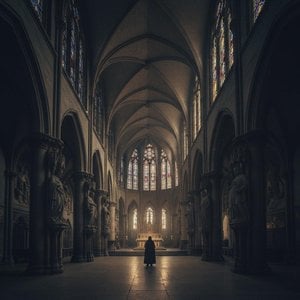
Embark on a journey through the dramatic era of Gothic art. Discover the profound beauty of illuminated manuscripts, sacred gold leaf masterpieces, and the transition to naturalism in this expert-led exploration of medieval artistry and historical grandeur.

Explore the exquisite elegance of Late Gothic art. Discover how masters like Carlo Crivelli and Stefan Lochner blended intricate detail and religious devotion to bridge the Middle Ages and the Renaissance in this expert art history guide for true connoisseurs.

 Katso seinällä
 Lähetä
 Jaa
Jaa
 Tarkemmat tiedot
 Opas
Opas

 Lataa kuva
 Samanlaisia kohteita
 Röntgenkuvaus
 Diaesitys
 Tilastot
 Lue lisää







 Lasivaihtoehto on saatavilla vain alle 110 cm kokoisille teoksille


