

 Tempera On PanelEarly Renaissance
 1333Late Medieval
 89.0 x 97.0 cm
 Loggia del Bigallo
Museolaatuisia giclée- tai kankaitaulun tulosteita nopealla tuotannolla ja joustavilla viimeistelyvaihtoehdoilla. ( Tilaa käsinmaalattu jäljennös Siirry digitaaliseen kuvaan)





























Valitse valmiista mitoistamme sellaiset, jotka vastaavat teoksen alkuperäisiä mittasuhteita.

Voit syöttää omat mitat sopiaksesi tiettyyn kehykseen tai tilaan. Jos valittu koko ei vastaa alkuperäisen kuvan mittasuhteita, rajaamme teosta tai laajennamme kuvaa peilatulla tai yhtenäisellä reunalla. Digitaalinen mallikuva lähetetään hyväksyttäväksi ennen tuotannon aloittamista.
Huomaathan, että näytöllä näkyvä esikatselu ei vastaa lopullista rajausta tai laajennusta. Vain mallikuva näyttää lopullisen sommittelun tarkasti.
Vaikka räätälöityjä kokoja on saatavilla, suosittelemme valitsemaan mitat valmiista listasta alkuperäisten mittasuhteiden säilyttämiseksi.
Maailmanlaajuinen toimitus () 2 viikossa tavallisen 4–5 viikon sijaan. (10 lokakuu)
Triptych
Replikaatin koko
In the heart of fourteenth-century Florence, a period defined by the delicate transition from Gothic grace to Renaissance realism, Bernardo Daddi crafted a masterpiece that continues to captivate the modern soul. This magnificent Triptych, dating back to 1333, serves as a profound window into a world of spiritual devotion and meticulous artistry. As one gazes upon its three expansive panels, the viewer is immediately enveloped by an atmosphere of reverence and grandeur. The composition is a masterclass in hierarchical scale, where the central panel—featuring the Virgin Mary and Child—commands the eye with an undeniable celestial authority. Through the use of rich golds, deep vermilion, and the luminous depth of ultramarine blue, Daddi creates a visual symphony that transcends time, offering not just a religious narrative, but a breathtaking display of late Medieval craftsmanship.
The technical brilliance of this work lies in its seamless blend of texture and light. Executed primarily using tempera on wood panel, the artwork possesses a tactile quality that invites close contemplation. The artist utilized gold leaf to adorn the architectural flourishes, creating a shimmering effect that would have danced under the flickering candlelight of an Italian chapel. This brilliance is balanced by the subtle, layered brushstrokes found in the drapery of the holy figures, which lend a sense of weight and volume to their forms. While the perspective retains the charming, slightly flattened quality characteristic of the era, Daddi employs overlapping figures and intricate architectural moldings—arches, columns, and decorative cornices—to weave a sense of depth that draws the observer into the sacred scenes of the Annunciation and the Adoration of the Magi.
Beyond its aesthetic splendor, the Triptych functions as a complex theological manuscript. Every gesture, every fold of fabric, and every architectural detail is imbued with profound symbolic meaning. The narrative unfolds across the panels, guiding the faithful through the pivotal moments of Christ's life, from the tender intimacy of the Nativity to the somber gravity of the Passion. Daddi’s use of color is deeply intentional; the regal blues and reds are not merely decorative but serve to denote the sanctity and suffering inherent in the biblical story. For the collector or interior designer, this piece offers more than just a visual focal point; it provides a rich tapestry of iconography that speaks to themes of continuity, sacrifice, and eternal hope.
To possess a reproduction of such a significant work is to bring a sense of historical weight and spiritual tranquility into a contemporary space. The Triptych’s ability to evoke piety and emotional resonance makes it an extraordinary choice for those looking to anchor a room with a sense of heritage. Whether placed in a sunlit gallery or a sophisticated study, the interplay of light on its gilded surfaces and the profound stillness of its subjects create an environment of quiet contemplation. It is a piece that does not merely decorate a wall; it transforms an atmosphere, inviting all who encounter it to pause and reflect upon the enduring beauty of the Florentine tradition.
"Triptych" on Bernardo Daddi:n luoma teos. Tällä sivulla olevat tiedot kuvaavat Bernardo Daddi:n alkuperäistä työtä.
Bernardo Daddi oli 43 vuotias luodessaan teoksen "Triptych" vuonna 1333. Ikä on laskettu taiteilijan syntymävuodesta 1290.
Teos Bernardo Daddi:n "Triptych" on valmistunut vuonna 1333.
Bernardo Daddi'n uralla teos "Triptych" sijoittuu aikakaudelle Early Renaissance. Tämä vaihe auttaa vertaamaan sitä taiteilijan muihin teoksiin.
Bernardo Daddi:n "Triptych" -teoksen Earthy väripaletti ja sen Spiritual tunnelma sointuvat yhteen. Väri on yksi tavoista, joilla teos välittää tunnetta.
Tekijänoikeuksien osalta teos "Triptych" on tekijänoikeusvapaa – sen tekijänoikeussuoja on päättynyt.
"Triptych"-teoksen reproduktio sopii hyvin Living Room-tilaan.


1290 - 1348 , Italia

Explore the exquisite elegance of Late Gothic art. Discover how masters like Carlo Crivelli and Stefan Lochner blended intricate detail and religious devotion to bridge the Middle Ages and the Renaissance in this expert art history guide for true connoisseurs.

Embark on a journey through the dramatic era of Gothic art. Discover the profound beauty of illuminated manuscripts, sacred gold leaf masterpieces, and the transition to naturalism in this expert-led exploration of medieval artistry and historical grandeur.
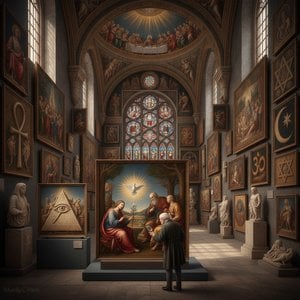
Explore the profound power of religious symbolism in art history. From Renaissance masterpieces to sacred iconography, uncover the hidden meanings behind divine details in a deep dive into classical art excellence.
Explore the exquisite elegance of International Gothic art. Discover the mastery of illuminated manuscripts, the brilliance of gold leaf, and the legacy of the Limbourg Brothers in this expert guide to Europe's sophisticated medieval dawn.

Embark on a scholarly journey through the spiritual grandeur of Late Medieval art. Discover the intricate symbolism, technical mastery, and profound religious narratives that define the Gothic era in this expert-led guide for art enthusiasts and collectors.

 Katso seinällä
 Lähetä
 Jaa
Jaa
 Tarkemmat tiedot
 Opas
Opas

 Lataa kuva
 Samanlaisia kohteita
 Röntgenkuvaus
 Diaesitys
 Tilastot
 Lue lisää









 Lasivaihtoehto on saatavilla vain alle 110 cm kokoisille teoksille


