

Osta korkearesoluutioinen, parannettu digitaalikuva, joka on laadultaan huomattavasti parempi kuin verkkosivuston esikatselu.
Jokainen tiedosto valmistellaan huolellisesti omien asiantuntijoidemme toimesta käyttäen edistyneitä työkaluja ja ammattitaitoista manuaalista retusointia. Varmistamme, että jokaisessa kuvassa on poikkeuksellinen selkeys, tarkka värintoisto ja hienovaraiset yksityiskohdat.
Lopputiedosto toimitetaan sähköpostitse 72 tunnin kuluessa, ja se on optimoitu välittömään käyttöön ammattimaisissa, toimituksellisissa ja painoympäristöissä. Laatu on sama, johon huipputason suunnittelustudiot, kustantajat ja galleriat luottavat.
Lataa korkearesoluutioinen tiedosto henkilökohtaiseen näyttelyyn, tulostamiseen ja luoviin projekteihin. ( Vaihda tulosteeseen Tilaa käsinmaalattu jäljennös)
Kun valitset WahooArt.com-palvelun, et saa vain kuvaa – saat ammattimaisesti viimeistellyn digitaalisen taideteoksen, joka on luotu tarkkuudella ja jonka takaa tulee tyytyväisyystakuu. Tässä on kaikki, mitä tilauksesi sisältää, automaattisesti:
Saat korkearesoluutioisen digitaalisen kuvatiedostosi sähköpostiisi 72 tunnin kuluessa tilauksesta – valmiina käytettäväksi välittömästi.
Teoksesi on optimoitu ammattimaisesti edistyneiden tekoälytyökalujen ja manuaalisen jälkikäsittelyn avulla, mikä takaa maksimaalisen yksityiskohtaisuuden, selkeyden ja väritarkkuuden.
Oletko vahingossa poistanut tai kadottanut tiedostosi? Ei hätää – lähetämme sen sinulle uudelleen milloin tahansa täysin maksutta.
Nauti taiteestasi välittömästi ilman tullimaksuja, veroja tai toimituskuluja – digitaaliset lataukset ovat aina verovapaita.
Varmistamme, että digitaalinen kuvasi vastaa alkuperäisiä värejä mahdollisimman tarkasti käyttämällä ammattilaistason työkaluja ja värinhallintaa.
Jos et ole tyytyväinen digitaaliseen kuvaasi, muokkaamme sitä tai palautamme 100% hinnan 100 päivän kuluessa – kysymystä ei esitetä.
Et ole tyytyväinen? Saat täyden hyvityksen 100 päivän kuluessa digitaalisen tiedostosi vastaanottamisesta – kysymystä ei esitetä.
Osta 3 kuvaa, säästä 10% - Osta 5, säästä 15% - Osta 10+, säästä 20%. Erinomainen valinta luoviin projekteihin, gallerioille ja toimistoille.

Budapestissa vuonna 1877 työväenluokkaiseen juutalaiseen perheeseen syntynyt Béla Kádár polki tiensä 1900-luvun alun avantgarde-taiteen keskeiseksi hahmoksi vaikeuksien ja järkähtämättömän taiteellisen tutkimusmatkailun kautta. Vaikka hänen virallinen koulutuksensa rajoittui vain kuuteen vuoteen, perinteisen kouluopin puute tuntui vapauttavan hänet konventionaalisista kahleista, mikä antoi tilaa ainutlaatuisen henkilökohtaisen visuaalisen kielen syntymiselle. Kádár aloitti ammatillisen uransa ei siveltimessä, vaan metallisorvaajan oppipoikana – ammatti, joka vaikutti syvästi hänen taiteelliseen herkkyyteensä ja opetti hänelle muodon, rakenteen ja teollisten materiaalien sisäänrakennetun kauneuden syvällistä ymmärrystä. Jo näinä varhaisina vuosina hänen luova henkensä loisti kirkkaana; hän keskittyi aluksi seinämalauksien tekemiseen ympäri Budapestia, mikä osoitti synnynnäistä taipumusta laaja-alaiseen visuaaliseen ilmaisuun ja tarinankerrontaan. Tämä perustavanlaatuinen ajanjakso loi pohjan rohkeille ja dynaamisille sommitelmille, jotka myöhemmin määrittelivät hänen koko tuotantonsa.
Kádárin taiteellisen kehityksen todellinen katalyytti oli hänen matkansa Pariisiin ja Berliiniin vuonna 1910. Nämä matkat altistivat hänet Länsi-Eurooppaa pyyhkiville nouseville avantgarde-liikkeille, mikä muutti hänen taiteellista suuntaansa peruuttamattomasti. Hän kohtasi Der Blaue Reiter -ryhmän radikaalit ideat, kubismin pirstaleiset muodot, futurismin dynamiikan ja neo-primitivismin raa'an energian – vaikutteita, joita hän ei ainoastaan omaksunut sellaisenaan, vaan synteesi kuroi niistä itselleen täysin omanlaisen visuaalisen sanaston. Kádár ei tyytynyt liittymään mihinkään yksittäiseen "kouluun", vaan lähti jatkuvaan muodon, värin ja sommittelun etsintään, jota ajoi nälkäinen halu vapautua perinteisen edustavan taiteen rajoitteista. Hän imi itseensä elementtejä konstruktivismista ja jopa metafyysisen maalaustaiteen unimaailmallisia piirteitä, kutomalla ne yhteen monimutkaiseksi kudokseksi, joka heijasti hänen ainutlaatuista näkökulmaansa. Tämä ajanjakso merkitsi ratkaisevaa käännekohtaa, muuttaen hänet lupaavasta seinämalariista todella innovatiiviseksi taiteilijaksi kansainvälisen tunnustuksen kynnyksellä.
Kádárin läpimurto tapahtui lokakuussa 1923 näyttelyssä Herwarth Waldenin arvostetussa Berliinin Galerie der Sturmissa. Tämä esitys esitteli hänen työnsä selkeästi ekspressionistisessa tyylissä, keräten välittömästi huomiota ja vakiinnuttaen hänet voimaksi eurooppalaisella taiteentapauksella. Galleria, joka tunnettiin radikaalien uusien taiteellisten äänien edistäjänä, tarjosi Kádárille ihanteellisen alustan luoda yhteyksiä keräilijöihin ja kollegoihin, jotka jakoivat hänen kokeilunhalunsa. Hänen kansainvälistä profiiliaan vahvistivat entisestään kaksi Katherine Dreierin järjestämää näyttelyä Brooklyn Museum of Artissa New Yorkissa vuosina 1926 ja 1928. Erityisen merkittävää oli se, että Kádár osallistui jälkimmäiseen näyttelyyn, mikä vahvisti hänen läsnäoloaan amerikkalaisessa taiteen maisemassa ja loi arvokkaita yhteyksiä Atlantin takana kukoistavaan modernistiseen liikkeeseen. Tämän ajanjakson maalaukset esittivät usein unkarilaiseen kansanperinteeseen pohjautuvia kohtauksia, intiimejä muotokuvia ja vilauksia kyläelämästä – aiheita, jotka oli toteutettu rohkealla väripaletilla ja dynaamisella sommittelulla, vangiten sekä kotimaansa hengen että modernin ajan energian.
Béla Kádárin taiteellinen tyyli on välittömästi tunnistettavissa sen eloisasta ja ekspressiivisestä värinkäytöstä, hyödyntäen usein epäluonnollisia sävyjä välittääkseen tunnetta ja tunnelmaa. Hänen sommitelmansa tunnetaan käsinkosketeltavasta liikkeen ja energian tunteesta, joka saavutetaan viivojen, muotojen ja hahmojen vuorovaikutuksella, joka tuntuu värisevän kankaalla. Hän käytti usein impasto-tekniikkaa – levittäen paksuja kerroksia maalia – luoden teksturoituja pintoja, jotka vahvistavat teosten visuaalista vaikutusta ja kutsuvat taktiiliseen tutkimiseen. Mutta ehkä se, mikä todella erottaa Kádárin muista, on hänen kykynsä yhdistää nämä moninaiset taiteelliset vaikutteet yhtenäiseksi ja alkuperäiseksi tyyliksi. Hän edustaa ratkaisevaa linkkiä unkarilaisen avantgarden ja aikansa laajemman eurooppalaisen liikkeen välillä, heijastaen taiteessaan 1900-luvun alun sosiaalisia ja poliittisia mullistuksia. Vaikka hän ei ehkä aina nauttinut samanlaista laajaa mainetta elinaikanaan kuin jotkut aikalaisensa, Kádänin työt ovat kokeneet uuden nousun viime vuosikymmeninä, kun tutkijat tunnustavat yhä enemmän hänen merkittävät panoksensa moderniin taiteeseen. Hän kuoli Budapestissa vuonna 1956 jättäen jälkeensä perinnön rohkeista ja innovatiivisista maalauksista, jotka jatkavat inspiroimista ja lumoamista vielä tänäkin päivänä – todisteena taiteilijasta, joka uskalsi kulkea omaa polkuaan.
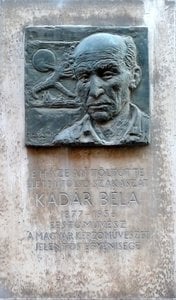
1877 - 1956 , Unkari

 Katso seinällä
 Lähetä
 Jaa
Jaa
 Tarkemmat tiedot
 Opas
Opas

 Lataa kuva
 Samanlaisia kohteita
 Röntgenkuvaus
 Diaesitys
 Tilastot
 Lue lisää


