

Käsinmaalattu öljyväri kankaalle haluamassasi koossa ja kehyksissä, taiteilijoidemme valmistamana tilauksesta. ( Vaihda tulosteeseen Siirry digitaaliseen kuvaan)





























Valitse valmiista mitoistamme sellaiset, jotka vastaavat teoksen alkuperäisiä mittasuhteita.

Voit syöttää omat mitat sopimaan tiettyyn kehykseen tai tilaan. Jos valitsemasi koko ei vastaa alkuperäisen kuvan mittasuhteita, rajaamme taideteoksen tai jatkamme maalausta käsin maalatuilla elementeillä. Digitaalinen esikatselu lähetetään hyväksyttäväksi ennen tuotannon aloittamista.
Huomioithan, että näytöllä oleva esikatselu ei vastaa todellista rajausta tai jatkamista. Vain digitaalinen mallikuva näyttää lopullisen sommittelun tarkasti.
Vaikka mittatilaustyöt ovat mahdollisia, suosittelemme valitsemaan mitan ennalta määritetystä listasta alkuperäisten mittasuhteiden säilyttämiseksi.
Maailmanlaajuinen toimitus () 3–4 viikossa tavallisen 5 viikon sijaan. (21 syyskuu). Laadusta ei tingitä.


Johan de Liefde
Replikaatin koko
Bartholomeus van der Helst's *Johan de Liefde*, completed in 1668, stands as a quintessential emblem of Amsterdam’s Golden Age artistic fervor. More than just a depiction of a prominent naval officer—Vice Admiral Johan de Liefde himself—the painting embodies the grandeur and ambition characteristic of the era, skillfully rendered through the lens of Baroque technique.
Amsterdam during the mid-17th century was experiencing an unprecedented surge in economic prosperity fueled by trade with Asia and America. This wealth translated into a flourishing cultural landscape, attracting artists from across Europe and fostering experimentation within established artistic conventions. Van der Helst's workshop thrived amidst this dynamic environment, producing portraits that served not only as commemorative artworks but also as statements of social status.
Beyond its visual splendor, *Johan de Liefde* is laden with symbolic significance. The sword represents military authority and courage, while the book symbolizes erudition and moral virtue – qualities deemed essential for leadership and citizenship. Furthermore, the red curtain serves as a compositional device, drawing the viewer’s eye inward and enhancing the dramatic impact of the scene.
*Johan de Liefde* transcends mere portraiture; it captures a moment in time—a celebration of victory and an affirmation of Dutch identity. Its enduring appeal lies in its ability to convey both intellectual sophistication and visceral emotion, cementing Bartholomeus van der Helst’s place as one of the most influential artists of his era. Reproductions offer a captivating glimpse into this artistic masterpiece, allowing admirers worldwide to appreciate its beauty and historical significance.


1613 - 1670 , Alankomaat

Tutustu Rembrandtin 25 mestariteokseen – valokuvapainatuksina kotiisi! Uppoudu hollantilaisen kultakauden taiteeseen, varjoihin ja valoon. Löydä ikonisia muotokuvia ja historiallisia maalauksia WahooArt.comista. Tutustu kokoelma!

Uppoudu hollantilaisen kultakauden taiteen maailmaan! Tutustu Rembrandtin, Vermeerin ja muiden mestareiden ikonisiin maalauksiin. Löydä inspiraatiota kotiisi WahooArt.com:ista – laadukkaat taidevedokset ja sisustustaulut jokaiseen tilaan. Explore the full collection online!
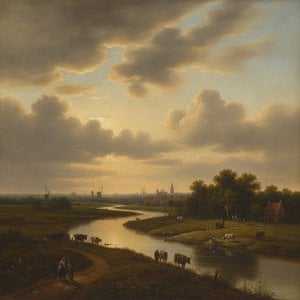
Discover the breathtaking beauty of Dutch Golden Age landscapes. Explore the mastery of light, chiaroscuro, and 17th-century realism through an expert art history lens, celebrating the enduring legacy of the Dutch Masters for discerning collectors and art lovers.

Explore the Dutch Golden Age of painting! Discover key artists like Vermeer & ter Borch, their innovative techniques, and the rich cultural context behind these Baroque masterpieces. Learn about collecting & appreciating this iconic art period.

Uppoudu hollantilaisen barokin maailmaan! Tutustu Rembrandtin, Vermeerin ja muiden mestarien ikonisiin teoksiin. Taidetta, historiaa ja inspiraatiota kotiisi – löydä upeat reproduktiot WahooArt.comista.

 Katso seinällä
 Lähetä
 Jaa
Jaa
 Tarkemmat tiedot
 Opas
Opas

 Lataa kuva
 Samanlaisia kohteita
 Röntgenkuvaus
 Diaesitys
 Tilastot


 Lue lisää







 Lasivaihtoehto on saatavilla vain alle 110 cm kokoisille teoksille


