


Museolaatuisia giclée- tai kankaitaulun tulosteita nopealla tuotannolla ja joustavilla viimeistelyvaihtoehdoilla. ( Osta käsinmaalattu taideteos Siirry digitaaliseen kuvaan)





























Valitse valmiista mitoistamme sellaiset, jotka vastaavat teoksen alkuperäisiä mittasuhteita.

Syötä tarvitsemasi leveys ja korkeus, jotta tuloste sopii kehyksiisi tai seinällesi. Tulostetta voidaan vain leikata, sitä ei voida koskaan suurentaa alkuperäistä kuvaa suuremmaksi, joten eri muotoinen koko aiheuttaa osan kuvasta katoamisen. Lähetämme sinulle digitaalisen mallikuvan hyväksyttäväksi ennen kuin aloitamme tulostuksen. Tällä sivulla näkyvä kuva ei näytä lopullista rajausta — vain mallikuva näyttää sen.
Maailmanlaajuinen toimitus () 2 viikossa tavallisen 4–5 viikon sijaan. (16 marraskuu)
Veritas
Replikaatin koko
In this somber monochrome portrait, the figure of Veritas emerges from a deep, undifferentiated void. Painted by Arnold Böcklin about 1881, the work presents a female personification of Truth. She holds a long, slender sword upright in her right hand, a gesture that feels both steady and unyielding. Her gaze is direct, meeting the viewer with a stoic expression that suggests a quiet, piercing revelation. There is a sense of stillness here, as if she exists in a space removed from the passage of time.
The subject possesses a statuesque quality, her form rendered with a luminous skin texture that contrasts against the dark background. Fine, translucent folds of draped fabric fall from her head, adding a layer of soft, organic detail to her classical silhouette. The sharp, vertical line of the blade cuts through the composition, providing a rigid counterpoint to the curves of her anatomy. She does not merely exist within the frame; she commands the space with a presence that feels both ancient and immediate.
Through this allegorical lens, Arnold Böcklin explores themes of purity and strength. The grayscale palette strips away the distraction of color, forcing a confrontation with the subject's intense, singular purpose. Every shadow and highlight works to define her form, creating a sense of shallow depth that keeps the focus entirely on her unwavering stare and the metallic sheen of her weapon. Truth stands before us, stripped of ornament, defined only by her essence and her steel.
The composition centers on a vertical portrait, drawing the eye immediately to the upper torso and head of the woman. She holds a long, slender sword upright in her right hand, a sharp verticality that cuts through the space. This straight, rigid line of the blade provides a striking contrast to the soft, organic curves of her anatomy. The subject gazes directly toward the viewer with a stoic expression, her eyes meeting the observer in a moment of unyielding presence. Everything about her posture suggests a stillness that is both heavy and resolute.
Light and shadow perform a dramatic dance across the figure, creating a strong chiaroscuro effect. This interplay of light pulls her form out of a dark, undifferentiated void, giving the portrait a sense of shallow depth. The color palette remains strictly grayscale, stripping away the distraction of hue to focus entirely on the interplay of tone. One can almost feel the textures through the visual shifts: the smooth, luminous quality of the skin contrasts against the metallic sheen of the blade and the fine, translucent folds of the draped fabric falling from her head.
The work emerges from a style of academic realism infused with heavy allegorical symbolism. Every brushstroke seeks to ground the ethereal subject in a tangible, physical reality. This sense of presence is heightened by the medium, as the piece appears to be executed in oil on a small panel or canvas. The intimate scale of 27.4 x 21.8cm forces a close encounter with the subject, demanding a quiet, focused gaze to fully register the subtle shifts in light and form. It is a work that feels contained, as if the energy of the figure is being held within its modest boundaries.
A profound darkness defines the environment, with a background of deep black void that offers no sense of horizon or distance. This lack of setting pushes the figure forward, creating a sharp, dramatic contrast between the luminous skin and the surrounding nothingness. The light seems to strike the subject from an unseen source, carving out the anatomy with precision. This technique creates a sense of weight and volume, making the figure feel as though she is stepping out from the shadows into the viewer's immediate space. The composition remains fixed and steady, anchored by the verticality of the sword and the stillness of the pose.
Created about 1881, the painting relies on the interplay of light and shadow to define its narrative. The textures of the draped fabric and the metallic edge of the blade emerge from the darkness through careful application of pigment. There is a tension between the soft, organic lines of the human form and the rigid, unyielding geometry of the weapon. This visual dialogue between the living and the inanimate reinforces the allegorical weight of the scene, leaving the viewer to wonder at the silent strength held within this monochrome realm.
Suositeltu yhdistelmä teokselle Arnold Böcklin:n "Veritas": Small kokoinen vedos tilaan Living Room.
Teoksen Arnold Böcklin:n "Veritas" tekijänoikeustilanne on selvä: teos on vapaasti käytettävissä – tekijänoikeussuoja on päättynyt. Sen sijainti museossa Bavarian State Painting Collections ei muuta tätä tilaa.
Teoksen Arnold Böcklin:n "Veritas" kirkkaus on deep_shadow ja luminanssi Dark.

Basel, Sveitsi, tarjoaa lähtöpisteen elämälle, jota määrittää jännite aineellisen ja aavemaisen välillä. 16. lokakuuta 1827 syntynyt nuori mies, Christian Frederick Böcklinin ja Ursula Lippen poika, siirtyi lopulta isänsä silkkikaupan maailmasta Düsseldorfin akatemian kurinalaisiin saleihin. Schirmerin ohjauksessa hän alkoi omaksua maiseman kieltä, taidoksi, jota hän myöhemmin käytti ihmissielun maantiedon kartoittamiseen. Hän ei ainoastaan maalannut maisemia; hän rakensi maailmoja, joissa klassinen ja makaberi kohtaavat.
Siirtymä Düsseldorfin akateemisesta kurinalaisuudesta Pariisin valoon ja Rooman muinaiseen painoon merkitsee perustavanlaatuista muutosta hänen visiossaan. Louvressa hän omaksui mestareiden historian, mutta nimenomaan Italian tunnelma muovasi hänen kättään. Hän palasi Roomaan vuosien 1862 ja 1866 välisenä aikana, jolloin hänen palettinsa alkoi suosia voimakkaampia ja ekspressiivisempiä värejä. Kyseessä ei ollut renessanssin aurinkoinen ja loistokas Italia, vaan paikka, jota hallitsivat syvät varjot ja mytologinen painavuus. Hänen työnsä alkoi kääntyä allegoriseen suuntaan, hyödyntäen antiikin hahmoja kuolevaisuuden raskaan ja väistämättömän läsnäolon tutkimiseen.
1800-luvun loppupuolella hänen mainettaan ankkuroi tietty, kummitteleva pakkomielle. Vuosien 1880 ja 1886 välisenä aikana hän loi viisi versiota teoksesta Kuolleiden saari. Tämä teos, joka sai inspiraationsa Firenzessa sijaitsevasta englantilaisesta hautausmaasta, jossa hänen tyttärensä lepää, nousi symbolismin liikkeen keskipisteeksi. Se on syvän tyven näky: kallioinen pieni saari, tummat sypressit ja rivipenkka, joka lähestyy hiljaista rantaa. Maalaus ei ainoastaan esitä paikkaa; se esittää olemisen tilan. Tämä kyky kuvata aineetonta – unien kuiskausta ja tuonpuoleisuuden painoa – nosti hänet uuden eurooppalaisen herkkyyden ytimeen.
Hänen tekninen lähestymistapansa hyödynsi usein paksua ja ekspressiivistä impasto-tekniikkaa, erityisesti teoksissa kuten La Guerre (1896). Tässä teoksessa kangas väristelee konfliktin kaaoksen voimasta. Hän välttää traditionalismin selkeitä linjoja ja valitsee sen sijaan tiheän, kerroksellisen sommittelun, jossa hahmot törmäävät raunioituneen arkkitehtuurin keskellä. Se on tuhon visuaalinen ilmentymä, jossa myytin ja todellisuuden välinen verho liukenee varjojen myrskyksi. Hänen tyylinsä risteili esirafaeliittien kanssa, mutta hän säilyi omana itsenään, keskittyen mystiikkaan, joka tuntui yhtä aikaa muinaiselta ja häiritsevän modernilta.
Hänen kuvastonsa vaikutus ulottui kauas kankaan ulkopuolelle, ulottuen jopa myöhäisromanttisen musiikin äänimaailmaan. Hänen maalauksensa tarjosivat visuaalisen stimuluksen säveltäjille, vaikuttaen erityisesti Gustav Mahlerin tuotannon tunnelmaan. Hänen kykynsä siltoittaa kuilu visuaalisen ja psykologisen välillä tarkoitti, että hänen vaikutuksensa tuntui niissä, jotka pyrkivät esittämään alitajuntaa. Hänen vaikutuksensa ulottui useisiin taiteilijasukupolviin:
Hän kuoli Fiesolessa, Italiassa, jättäen jälkeensä teoskannan, joka kieltäytyi helposti luokiteltavasta. Hän oli sveitsiläisten maisemien, roomalaisten majatalojen ja mytologisten lehtien maalaaja, mutta hänen todellinen aiheensa säilyi tuntemattoman hiljaisena ja kestävänä läsnäolona. Hänen teoksiaan säilytetään merkittävissä kokoelmissa, kuten Kunstmuseum Baselissa ja Kunsthaus Zürichissä, toimien ankkureina niille, jotka tutkivat myytin ja kuolevaisuuden risteyskohtaa.

1827 - 1901 , Sveitsi
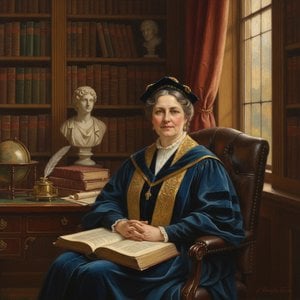
Discover the profound beauty of Academic Portraiture. Explore how classical realism captures prestige through meticulous technique, anatomical truth, and timeless elegance—perfect for discerning collectors seeking museum-quality mastery and historical grandeur.

Explore the clinical precision of German New Objectivity through masters like Otto Dix. Discover the truth behind the Weimar era's raw realism.

Discover the profound beauty of Classical Realism. Explore a curated guide to academic mastery, from technical precision to timeless elegance, perfect for discerning collectors seeking museum-quality excellence and bespoke artistry.

Master the art of decoding hidden symbols and visual allegories in historical masterpieces. Elevate your collection with expert insights.

Decode the profound symbolism of hands in masterworks from Van Gogh to Hindu mudras. Explore the silent language of art with our expert guide.
 Esikatselu

 Jaa teos
 Jaa
 Tiedot
 Opas


 Lataa kuva
 Samanlaisia kohteita
 Röntgenkuvaus
 Diaesitys
 Kysymykset ja vastaukset

 Tilastot


 Lue lisää









 Lasivaihtoehto on saatavilla vain alle 110 cm kokoisille teoksille


