Katso seinällä Esikatsele AR-tilassa Vaihda tulosteeseen Siirry digitaaliseen kuvaan Lähetä
Tarkemmat tiedot Opas Lisää suosikkeihin Lataa kuva Samanlaisia kohteita Röntgenkuvaus Diaesitys Tilastot

Spring

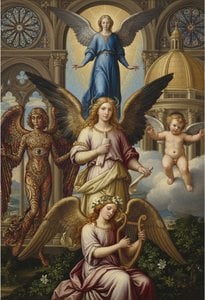
Discover Antonio Zucchi's 'Spring' (1769), a serene painting of cherubs and a woman, part of the Adam Library ceiling at Kenwood House. Explore art history & decorative arts.

Antonio Zucchi (1726-1795) oli italialainen uusklassinen taidemaalari, joka tunnettiin koristefreskoistaan, mytologisista kohtauksistaan ja veduta-maisemistaan. Hän teki yhteistyötä Robert Adamin kanssa ja avioitui Angelica Kauffmannin kanssa.

Käsinmaalattu öljyvärinen jäljennös

Käsinmaalattu öljyväri kankaalle haluamassasi koossa ja kehyksissä, taiteilijoidemme valmistamana tilauksesta. ( Vaihda tulosteeseen Siirry digitaaliseen kuvaan)

Corner sample of the P118B picture frame: valettu polystyreeni, 5 cm wide and 3 cm thick
P118B €10
Corner sample of the P118H picture frame: valettu polystyreeni, 5 cm wide and 3 cm thick
P118H €10
Corner sample of the P118W picture frame: valettu polystyreeni, 5 cm wide and 3 cm thick
P118W €10
Corner sample of the P438Z picture frame: valettu polystyreeni, 5.5 cm wide and 3.5 cm thick
P438Z €10
Corner sample of the P508JH picture frame: valettu polystyreeni, 7 cm wide and 3.5 cm thick
P508JH €12
Corner sample of the P508YH picture frame: valettu polystyreeni, 7 cm wide and 3.5 cm thick
P508YH €12
Corner sample of the P805H picture frame: valettu polystyreeni, 5 cm wide and 3.5 cm thick
P805H €10
Corner sample of the P805Z picture frame: valettu polystyreeni, 5 cm wide and 3.5 cm thick
P805Z €10
Corner sample of the P919BZ picture frame: valettu polystyreeni, 7 cm wide and 3.5 cm thick
P919BZ €10
Corner sample of the P919G picture frame: valettu polystyreeni, 7 cm wide and 3.5 cm thick
P919G €10
Corner sample of the P919XJ picture frame: valettu polystyreeni, 7 cm wide and 3.5 cm thick
P919XJ €10
Corner sample of the P959ZH picture frame: valettu polystyreeni, 5 cm wide and 3 cm thick
P959ZH €10
Corner sample of the P968JZ picture frame: valettu polystyreeni, 6 cm wide and 4 cm thick
P968JZ €12
Corner sample of the W106C picture frame: massiivipuu, 5 cm wide and 3 cm thick
W106C €8
Corner sample of the W218G picture frame: massiivipuu, 5 cm wide and 3 cm thick
W218G €10
Corner sample of the W218JH picture frame: massiivipuu, 5 cm wide and 3 cm thick
W218JH €8
Corner sample of the W218Y picture frame: massiivipuu, 5 cm wide and 3 cm thick
W218Y €10
Corner sample of the W307PJ picture frame: massiivipuu, 6 cm wide and 3 cm thick
W307PJ €10
Corner sample of the W316G picture frame: massiivipuu, 6 cm wide and 3 cm thick
W316G €10
Corner sample of the W316PJ picture frame: massiivipuu, 6 cm wide and 3 cm thick
W316PJ €8
Corner sample of the W316Y picture frame: massiivipuu, 6 cm wide and 3 cm thick
W316Y €10
Corner sample of the W398PJ picture frame: massiivipuu, 5 cm wide and 3 cm thick
W398PJ €8
Corner sample of the W4111J picture frame: massiivipuu, 6.5 cm wide and 3.5 cm thick
W4111J €10
Corner sample of the W500HY picture frame: massiivipuu, 7 cm wide and 5 cm thick
W500HY €15
Corner sample of the W500JH picture frame: massiivipuu, 7 cm wide and 5 cm thick
W500JH €15
Corner sample of the W692G picture frame: massiivipuu, 8 cm wide and 4 cm thick
W692G €12
Corner sample of the W849H picture frame: massiivipuu, 5 cm wide and 3 cm thick
W849H €8
Corner sample of the W940BG picture frame: massiivipuu, 7.5 cm wide and 4.5 cm thick
W940BG €15
Corner sample of the W953PJ picture frame: massiivipuu, 6 cm wide and 3.5 cm thick
W953PJ €8

Vakiokoko
mittatilaustyö
CM
INCH

Valitse valmiista mitoistamme sellaiset, jotka vastaavat teoksen alkuperäisiä mittasuhteita.

leveys
korkeus

Kirjoita tarvitsemasi leveys ja korkeus, jotta teos sopii kehyskehyksiisi tai seinällesi. Koska kyseessä on käsinmaalattu teos, taiteilija voi maalata hieman enemmän kuvan ympärille tai rajata sitä hieman, jos haluat eri muotoisen koon — valinta on sinun. Lähetämme sinulle digitaalisen mallikuvan hyväksyttäväksi ennen kuin maalaus alkaa. Tällä sivulla näkyvä kuva ei vastaa lopullista tulosta — vain mallikuva näyttää sen.

Esimerkkejä muokattavista asioista: Vaihda kasvot asiakkaan omaan valokuvaan; Lisää lemmikki (esim. korvaa kissa koiralla); Lisää taustalle piilotettu viesti; Muuta taustan maisemaa tai elementtejä.
Tilauksen jälkeen WahooArt.com -tiimi lähettää asiakkaalle sähköpostitse ohjeet ja esikatselukuvan.

Maailmanlaajuinen toimitus () 3–4 viikossa tavallisen 5 viikon sijaan. (24 lokakuu). Laadusta ei tingitä.

Ilmainen pikatoimitus ympäri maailman
Korkealaatuinen pellavakangas
Kattava kuljetusvakuutus
Tulliveron palautustakuu
Takuu täydellisestä värien vastaavuudesta
100 päivän palautusoikeus valmistusvirhetapauksissa
100% rahat takaisin -takuu
Määräalennus saatavilla

Kokonaishinta

€ 239

Spring

Reproduktiotapa

Replikaatin koko

-

Kokonaishinta

€ 239

Pikaista tietoa

  • Dimensions: 59 x 57 cm
  • Notable elements: Cherubs, vases, bird
  • Movement: Neoclassic
  • Artist: Antonio Zucchi
  • Medium: Oil on paper
  • Artistic style: Decorative fresco

Taidevisakysely

Jokaisessa kysymyksessä on vain yksi oikea vastaus.

Kysymys 1:
What is the primary subject depicted in Antonio Zucchi’s ‘Spring’ (1769)?
Kysymys 2:
The painting ‘Spring’ is part of what larger architectural project?
Kysymys 3:
Which artist is primarily known for his innovative use of pastel and capturing fleeting moments of character, as described in the provided text?
Kysymys 4:
According to the text, what was a key characteristic of Antonio Zucchi’s portraiture style?
Kysymys 5:
The painting ‘Spring’ is located in which museum?

Antonio Zucchi’s “Spring,” A Venetian Masterpiece of Light and Grace

Within the opulent Adam Library at Kenwood House in London resides a breathtaking ceiling fresco, a testament to the artistic vision of Antonio Zucchi – a Venetian painter who flourished during the mid-18th century. “Spring,” painted in 1769, isn’t merely a decorative element; it's a carefully orchestrated tableau of serenity and gentle beauty, capturing a fleeting moment of idyllic repose amidst a winter landscape. The panel, measuring approximately 59 x 57 cm, is executed with Zucchi’s signature mastery of pastel and oil, blending delicate hues to create an atmosphere of luminous warmth against the cool backdrop of snow-laden trees.

Zucchi's style during this period leaned heavily towards a refined elegance, influenced by the Venetian tradition of *vedute* – landscape views – but imbued with a distinctly personal sensibility. He moved beyond simple representation, striving to evoke mood and emotion through subtle shifts in color and light. Notice how he doesn’t depict a harsh winter scene, but rather one softened by an unseen warmth; the snow is rendered as a gentle, almost ethereal white, while the figures are bathed in a golden glow emanating from a central fire. This deliberate choice immediately establishes a sense of comfort and domesticity, inviting the viewer into the intimate space depicted.

A Scene of Quiet Contemplation

The composition centers around three figures: a woman and child, nestled within a richly appointed interior, and a third individual carrying firewood. The woman’s head rests gently on the shoulder of a cherubic figure – an angel or cupid – suggesting a moment of shared solace and affection. The details are remarkably refined; observe the intricate folds of the clothing, the delicate rendering of the child's face, and the subtle expressions conveying contentment and peace. There is no overt drama or narrative; instead, Zucchi presents a simple, yet profoundly moving, scene of domestic harmony.

The inclusion of two vases – one positioned near the top right corner and another towards the bottom left – adds an element of classical grace to the composition. These aren’t merely decorative additions; they subtly reference the artistic conventions of the era, echoing the themes of abundance and fertility often associated with springtime. The placement is deliberate, drawing the eye across the panel and reinforcing the sense of balance and equilibrium.

Technique and Venetian Influence

Zucchi’s technique is characterized by a remarkable ability to capture light and texture. He employs layers of translucent paint – a hallmark of Venetian painting – to create an illusion of depth and luminosity. The colors are rich and vibrant, yet tempered with a delicate pastel quality that lends the scene an air of ethereal beauty. The brushwork is remarkably smooth and refined, reflecting Zucchi’s meticulous attention to detail.

His training under Francesco Fontebasso and Jacopo Amigoni in Venice undoubtedly shaped his artistic sensibilities. These masters were renowned for their mastery of color and composition, and Zucchi clearly absorbed much of their expertise. The influence of Venetian painting is evident in the panel’s overall atmosphere – a sense of warmth, light, and refined elegance that distinguishes it from the more austere styles prevalent in other European courts.

Symbolism and Emotional Resonance

“Spring” transcends mere representation; it speaks to universal themes of family, comfort, and the promise of renewal. The scene evokes a feeling of quiet contentment and domestic bliss – a welcome respite from the harsh realities of winter. The cherub’s gesture suggests protection and nurturing, while the woman's repose conveys a sense of peace and security.

More than just a decorative panel, “Spring” is a poignant meditation on the beauty of simple pleasures and the enduring power of human connection. It remains a captivating work of art, offering viewers a glimpse into the refined aesthetic sensibilities of 18th-century Venice and a reminder of the timeless appeal of light, grace, and tranquility.

Kysymykset ja vastaukset

Kuinka kylläinen "Spring"-teoksen väripaletti on?

Teoksen Antonio Zucchi:n "Spring" värikylläisyys on Subtle Color.

Miten teos "Spring" on valmistettu ja kuinka suuri se on?

Alkuperäinen Antonio Zucchi:n "Spring" on Acrylic On Canvas-teos, jonka mitat ovat 59 x 57 cm. Tekniikka ja koko kuvaavat alkuperäistä teosta.

Mitä tunnetta Antonio Zucchi:n "Spring" välittää?

Teoksen Antonio Zucchi:n "Spring" tunnetila on määritelty olevan Calm. Se tiivistää teoksen välittämän tunnelman.


Taiteilijan elämäkerta

Francis Cotes: Englantilaisen pastellimaalauksen edelläkävijä

Francis Cotes (1726–1770) nousee esiin keskeisenä hahmona englantilaisen muotokuvataiteen kukoistavassa maailmassa, tullen tunnetuksi erityisesti pastellin innovatiivisesta käytöstä sekä kyvystään vangita luonteen ohimeneviä hetkiä. Lontoossa syntynyt taiteilija opiskeli William Faithornen, teatraalisten ryhmämuotokuvien mestarin, alaisuudessa – kokemus, joka muokkasi kiistatta hänen varhaisia taiteellisia aistejaan. Cotes kuitenkin ylitti nopeasti mestarinsa kehittäen ainutlaatuisen tyylin, jota leimasi hämmästyttävä herkkyys valolle, tekstuurille ja kohteidensa psykologisille vivahteille. Toisin kuin aikaisemman englantilaisen muotokuvauksen usein jäykkä muodollisuus, Cotesin teoksissa on eloisa välittömyys, joka heijastaa syvää yhteyttä mallin persoonallisuuteen ja tarkkaa havainnointia ympäröivästä visuaalisesta maailmasta. Hänen uransa alkuvaihetta leimasivat arvostettujen sukujen, kuten Astleyn perheen, tilaustyöt. Näistä tunnetuin on ylistetty ”Seitsemänvuotias ja hänen veljensä Edward, viisivuotias ja puolikas”, joka on herkkä kuvaus lapsuuden viattomuudesta ja yksi hänen rakastetuimmista teoksistaan. Tämä maalaus ilmentää Cotesin kykyä täyttää jopa yksinkertaiset aiheet syvällä emotionaalisella voimalla. Hän käytti taitavasti pastellia – välinettä, jota pidettiin tuolloin Englannissa suhteellisen uutena – saavuttaakseen upeita väri- ja sävyvaikutelmia; hän vangitsi ihon herkän hehkun, kankaan kimalteen sekä valon ja varjon hienovaraiset vaihtelut. Cotes ei ainoastaan toistanut ulkoista todellisuutta, vaan käänsi havaitsemansa maailman kankaalle maalauksellisella sulavuudella, joka erotti hänet aikalaisekseen. Hänen vapaat ja ilmeikkäät siveltimenvetonsa loivat liikkeen ja elinvoiman tuntua, mikä lisäsi hänen muotokuvien lumoavaa laatua.

Tekniikka ja vaikutteet

Cotesin tekninen mestaruus ei kumpunut ainoastaan synnynnäisestä lahjakkuudesta, vaan myös luonnon ja muiden taiteilijoiden teosten huolellisesta tutkimisesta. Häneen vaikuttivat syvästi hollantilaiset mestarit, erityisesti Rembrandt, jonka valon ja varjon käyttö dramaattisten vaikutelmien luomiseksi näkyy selvästi Cotesin muotokuvissa. Hän ihaili myös Anthony van Dyckiä, jonka tyylikkäitä sommitelmia ja psykologista oivallusta hän pyrki jäljittelemään. Toisin kuin Van Dyckin viimeistelty tyyli, Cotes omaksui kuitenkin rennomman lähestymistavan kuvaten mallinsa usein luonnollisissa ympäristöissä ja epämuodollisissa asennoissa. Hänen pastellitekniikkansa hioi itsensä entisestään kokeilemalla värien kerrostamista ja paineen vaihtelua, mikä mahdollisti hämmästyttävän laajan sävyjen ja tekstuurien kirjon. Tuloksena syntyneet muotokuvat eivät ole pelkkiä muotokuvia; ne ovat intiimejä tutkimuksia luonteesta, täynnä käsinkosketeltavaa elämää.

Merkittävät teokset ja tilaukset

Ikonisen ”Seitsemänvuotiaan” lisäksi Cotes tuotti merkittävän määrän teoksia, jotka sisältävät lukuisia aristokraattien ja aateliston jäsenten muotokuvia. Hän maalasi tunnetuille henkilöille, kuten Sir Robert Peelille, Lordi Charles Townshendille ja Lady Mary Wortley Montagulle. Hänen tilaustyönsä kumpusivat usein halusta vangita mallin ainutlaatuinen persoonallisuus ja yhteiskunnallinen asema, heijastaen 1700-luvun Englannin muuttuvia mieltymyksiä. Hänen työnsä ulottui kuitenkin myös muotokuvauksen ulkopuolelle; hän loi maisemamaalauksia ja genremotiiveja osoittaen taiteilijana monipuolisuutensa. Vuonna 1769 perustettu Royal Academy tunnusti Cotesin panoksen valitsemalla hänet yhdeksi perustajajäsenistään, mikä vakiinnutti hänen paikkansa aikansa johtavien taiteilijoiden joukossa.

Perintö ja historiallinen merkitys

Francis Cotesin perintö lepää ensisijaisesti hänen edelläkävijyydessään englantilaisen pastellimaalauksen kehityksessä. Hän osoitti välineen potentiaalin värien ja sävyjen hienovaraisten vivahteiden vangitsemiseen, raivaten tietä tuleville pastellikuvataiteen sukupolville. Hänen muotokuviaan arvostetaan nykyään paitsi teknisen loistokkuuden, myös psykologisen syvyyden ja emotionaalisen resonanssin vuoksi. Cotesin työ edustaa siirtymää pois aikaisemman muotokuvauksen muodollisista konventioista kohti intiimimpia ja ilmaisukykympiä lähestymistapoja, jotka heijastivat valistusajan henkeä. Hänet muistetaan keskeisenä hahmona englantilaisen maalaustaiteen vakiinnuttamisessa erilliseksi ja eläväksi perinteeksi, jättäen peruuttamattoman jäljen taidehistoriaan. Hänen vaikutuksensa on nähtävissä myöhempien taiteilijoiden teoksissa, jotka seurasivat hänen polkuaan, vahvistaen hänen asemansa todellisena innovaattorina ja ammattinsa mestarina.
Antonio Zucchi

Antonio Zucchi

1726 - 1795 , Iso-Britannia

Tietoa taiteilijasta

  • Artistic Movement Or Style: Todennäköisesti Van Loon vaikutuksesta
  • Artists Or Movements Influenced By This Artist:
    • Chardin
    • Greuze
  • Artists Who Influenced This Artist: ['Jean Baptiste van Loo']
  • Date Of Birth: 15. lokakuuta 1726
  • Full Name: Francoise Duparc
  • Nationality: Espanjalainen
  • Notable Artworks:
    • La tricoteuse
    • Man with a sack of nuts
  • Place Of Birth: Murcia, Espanja
Tutustu teoksiin, jotka on järjestetty aiheiden, tyylien ja ominaisuuksien mukaan.