

Museolaatuisia giclée- tai kankaitaulun tulosteita nopealla tuotannolla ja joustavilla viimeistelyvaihtoehdoilla. ( Tilaa käsinmaalattu jäljennös Siirry digitaaliseen kuvaan)





























Valitse valmiista mitoistamme sellaiset, jotka vastaavat teoksen alkuperäisiä mittasuhteita.

Voit syöttää omat mitat sopiaksesi tiettyyn kehykseen tai tilaan. Jos valittu koko ei vastaa alkuperäisen kuvan mittasuhteita, rajaamme teosta tai laajennamme kuvaa peilatulla tai yhtenäisellä reunalla. Digitaalinen mallikuva lähetetään hyväksyttäväksi ennen tuotannon aloittamista.
Huomaathan, että näytöllä näkyvä esikatselu ei vastaa lopullista rajausta tai laajennusta. Vain mallikuva näyttää lopullisen sommittelun tarkasti.
Vaikka räätälöityjä kokoja on saatavilla, suosittelemme valitsemaan mitat valmiista listasta alkuperäisten mittasuhteiden säilyttämiseksi.
Maailmanlaajuinen toimitus () 2 viikossa tavallisen 4–5 viikon sijaan. (22 syyskuu)


untitled (6720)
Replikaatin koko
Andrea Mantegna's untitled work, cataloged as 6720, offers a compelling window into the artist’s distinctive approach to religious narrative. While lacking specific documentation regarding its commission or original location, the painting immediately draws the viewer into an intimate scene of gathering and reverence. A small community has congregated around what appears to be the entrance to a rocky cave, their interactions suggesting a moment of shared spiritual significance. The presence of figures that hint at angelic beings elevates the atmosphere beyond the earthly realm, imbuing the composition with a sense of the sacred.
Mantegna was a pivotal figure in the Early Renaissance, renowned for his mastery of perspective and an almost sculptural approach to form. This painting exemplifies those qualities. Though the size remains unknown, the work feels monumental due to Mantegna’s skill in creating depth and spatial relationships. The rocky landscape isn't merely a backdrop; it actively participates in the narrative, its rugged texture contrasting with the figures inhabiting the space. Noticeable details—a horse patiently standing watch on the left, a simple cup and bowls scattered amongst the group—ground the scene in a tangible reality while simultaneously hinting at ritualistic purpose. These objects aren’t accidental inclusions; they are carefully considered elements that contribute to the overall symbolic weight of the composition.
Born near Padua, Mantegna's artistic development was profoundly shaped by his apprenticeship with Francesco Squarcione, a painter who prioritized the study of classical Roman art. This early exposure instilled in Mantegna a deep appreciation for archaeological accuracy and an inclination towards monumental forms. The influence is subtly present here, not in direct imitation of ancient motifs, but in the solidity of the figures and the carefully constructed architectural elements within the rocky setting. The painting’s emotional core resides in its depiction of human connection and spiritual yearning. It's a scene that invites contemplation on themes of faith, community, and the search for meaning—themes that resonated deeply during the Renaissance and continue to hold relevance today.
For those seeking to enrich their living spaces with art possessing both historical significance and emotional depth, a reproduction of this Mantegna work offers an exceptional choice. The painting’s subdued palette and dramatic composition lend themselves well to a variety of interior styles, from traditional to contemporary. Its ability to evoke a sense of quiet contemplation makes it particularly suited for libraries, studies, or any space intended for reflection. Owning a hand-painted reproduction allows one to connect with the legacy of a Renaissance master and bring a touch of timeless beauty into the home.


1431 - 1506 , Italia
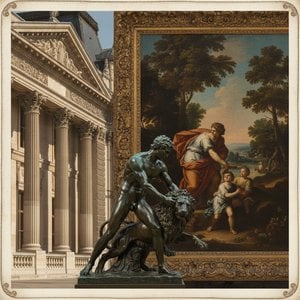
Explore the profound elegance of Baroque Classicism. Discover how 17th-century masters synthesized dramatic emotion with classical order through the lens of the Counter-Reformation and the works of legends like Carlo Maratta and Andrea Sacchi.
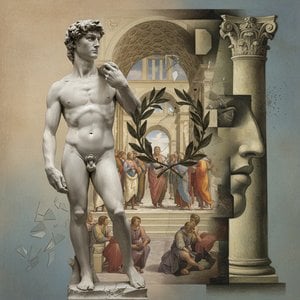
Explore the lasting impact of classical ideals on art from the Renaissance to Modernism. Discover key movements, iconic artists & find museum-quality reproductions at WahooArt.
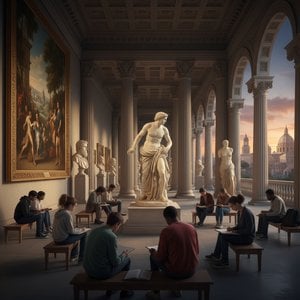
Explore the enduring legacy of Classicism in Western art! Discover its historical context, key principles, iconic masterpieces & lasting influence. Learn about Renaissance and Neoclassical movements with WahooArt.

Tutustu neoklassismin 10 mestariteokseen! Jacques-Louis Davidista Canovaan – taidetta, historiaa ja inspiraatiota kotiisi. Korkealaatuiset taideprintit WahooArt.fi:ssä. Tutustu kokoelmaan verkossa!
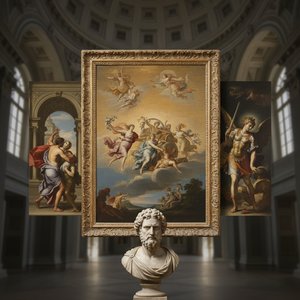
Explore the life & work of Guido Reni, a master of Baroque classicism. Discover his iconic religious & mythological paintings, and understand his enduring influence on art history. Expert analysis for collectors.

 Katso seinällä
 Lähetä
 Jaa
Jaa
 Tarkemmat tiedot
 Opas
Opas

 Lataa kuva
 Samanlaisia kohteita
 Röntgenkuvaus
 Diaesitys
 Tilastot

 Lue lisää







 Lasivaihtoehto on saatavilla vain alle 110 cm kokoisille teoksille


