

Museolaatuisia giclée- tai kankaitaulun tulosteita nopealla tuotannolla ja joustavilla viimeistelyvaihtoehdoilla. ( Tilaa käsinmaalattu jäljennös Siirry digitaaliseen kuvaan)





























Valitse valmiista mitoistamme sellaiset, jotka vastaavat teoksen alkuperäisiä mittasuhteita.

Kirjoita tarvitsemasi leveys ja korkeus, jotta tuloste sopii kehyskokoon tai seinällesi. Tulostetta voidaan vain leikata, sitä ei voi koskaan tehdä suuremmaksi kuin alkuperäinen kuva, joten eri muotoinen koko aiheuttaa osan kuvasta katoamisen. Lähetämme sinulle digitaalisen mallikuvan hyväksyttäväksi ennen kuin aloitamme tulostuksen. Tällä sivulla näkyvä kuva ei näytä lopullista leikkausta — vain mallikuva näyttää sen.
Maailmanlaajuinen toimitus () 2 viikossa tavallisen 4–5 viikon sijaan. (27 lokakuu)
Henri Matisse
Replikaatin koko
The painting “Henri Matisse and André Derain,” completed in 1905 by Henri Matisse and André Derain, stands as a cornerstone of Fauvist art—a movement that irrevocably altered the course of European painting. More than just a portrait of two prominent artists, it’s an exploration of artistic collaboration and a testament to the transformative power of color as expressive language.
Matisse, already establishing himself as a visionary innovator, approached Derain with a proposition: to capture their friendship through a bold experiment in pigment. Departing from Impressionistic subtleties, they deliberately rejected blending colors on the palette, opting instead for juxtaposing pure hues—scarlet reds, ochre yellows, and deep browns—directly onto the canvas. This technique, championed by Matisse himself, prioritized visual impact over accurate representation, prioritizing emotion and sensation.
The composition itself is deceptively simple. Two men sit in chairs positioned near a beach, bathed in diffused sunlight. However, it’s the color scheme that dominates the viewer's gaze. The dominant red of Derain’s turban immediately draws attention, creating a visual anchor against which Matisse’s muted tones—primarily greens and browns—provide contrast. This deliberate imbalance isn’t merely stylistic; it symbolizes the dynamic interplay between their personalities – Derain’s assertive presence countered by Matisse’s contemplative gaze.
Historically, “Henri Matisse and André Derain” emerged during a period of fervent artistic debate. Impressionism had begun to wane, paving the way for movements like Neo-Impressionism and Symbolism. Yet, Fauvism pushed boundaries even further, rejecting academic conventions altogether. Matisse and Derain’s decision to prioritize color above form was seen as rebellious—a defiant assertion of artistic freedom against the constraints of tradition.
Beyond its formal innovations, the painting resonates with a profound emotional depth. The serene setting evokes memories of childhood summers, while the figures themselves convey a sense of quiet contemplation and companionship. Matisse’s masterful brushstrokes capture not just physical likeness but also intangible qualities—the warmth of friendship, the beauty of nature, and the enduring spirit of artistic exploration.
The painting's influence extends far beyond its time. It served as an inspiration for subsequent generations of artists who sought to harness color’s expressive potential. Today, reproductions of “Henri Matisse and André Derain” continue to captivate audiences worldwide, demonstrating the timeless appeal of this seminal work.
Esikatselu teoksesta André Derain:n "Henri Matisse" on saatavilla teoksen Esikatselu -sivulla.
Teokset, jotka muistuttavat teosta André Derain:n "Henri Matisse", on koottu teoksen Samankaltaisia -sivulle.
André Derain:n "Henri Matisse" on Landscape-muotoinen sommitelma. Suhteet kannattaa tarkistaa ennen tulostekoon valitsemista.


1880 - 1954 , Ranska

Explore the scientific mastery behind enduring masterpieces. Discover how pigment chemistry, lightfastness, and Old Master techniques ensure fine art survives centuries, preserving beauty for generations of collectors.
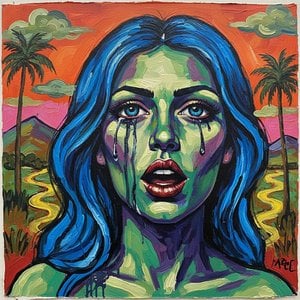
Embark on a journey through the vibrant world of Fauvism. Discover how masters like Henri Matisse revolutionized art through bold colors and raw emotion in this expert-led guide to one of modern art's most powerful movements.

Explore the vibrant world of Fauvism with our expert guide. Discover how Matisse and Derain revolutionized art through bold colors and expressive strokes. Perfect for classic art enthusiasts seeking to deepen their passion for modern masterpieces.

Explore the vibrant revolution of Fauvism. Discover how masters like Matisse liberated color to redefine modern art. Dive into an expert-led journey through the 'Wild Beasts' movement and learn how to bring this bold, expressive energy into your personal collection.

 Katso seinällä
 Lähetä
 Jaa
Jaa
 Tarkemmat tiedot
 Opas
Opas

 Lataa kuva
 Samanlaisia kohteita
 Röntgenkuvaus
 Diaesitys
 Tilastot


 Lue lisää









 Lasivaihtoehto on saatavilla vain alle 110 cm kokoisille teoksille


