

 Northern Renaissance
 1512
1512 187.0 x 87.0 cm
 Germanisches Nationalmuseum
Käsinmaalattu öljyväri kankaalle haluamassasi koossa ja kehyksissä, taiteilijoidemme valmistamana tilauksesta. ( Vaihda tulosteeseen Siirry digitaaliseen kuvaan)





























Valitse valmiista mitoistamme sellaiset, jotka vastaavat teoksen alkuperäisiä mittasuhteita.

Voit syöttää omat mitat sopimaan tiettyyn kehykseen tai tilaan. Jos valitsemasi koko ei vastaa alkuperäisen kuvan mittasuhteita, rajaamme taideteoksen tai jatkamme maalausta käsin maalatuilla elementeillä. Digitaalinen esikatselu lähetetään hyväksyttäväksi ennen tuotannon aloittamista.
Huomioithan, että näytöllä oleva esikatselu ei vastaa todellista rajausta tai jatkamista. Vain digitaalinen mallikuva näyttää lopullisen sommittelun tarkasti.
Vaikka mittatilaustyöt ovat mahdollisia, suosittelemme valitsemaan mitan ennalta määritetystä listasta alkuperäisten mittasuhteiden säilyttämiseksi.
Maailmanlaajuinen toimitus () 3–4 viikossa tavallisen 5 viikon sijaan. (25 syyskuu). Laadusta ei tingitä.


Emperor Sigismund
Replikaatin koko
Albrecht Dürer, arguably the most influential artist of the Northern Renaissance, gifted posterity with a masterpiece that transcends mere visual representation—a portrait of Emperor Sigismund. Completed in 1512, this monumental oil painting resides at the Germanisches Nationalmuseum in Nuremberg and stands as an unparalleled testament to Dürer’s artistic prowess and meticulous observation.
Historical Context: Sigismund I Vasa, King of Poland and Grand Duke of Lithuania from 1496 until his assassination in 1548, was a pivotal figure shaping the political landscape of Europe during the tumultuous Reformation era. Dürer’s depiction captures not just Sigismund's physical appearance but also embodies the grandeur and authority associated with imperial rule—a reflection of Nuremberg’s own aspirations for prestige and artistic excellence.
Every element within ‘Emperor Sigismund’ speaks volumes about its symbolic significance. The crown and scepter prominently displayed symbolize Sigismund's sovereignty and divine right—visual cues that underscore his position at the apex of power. Furthermore, the coats of arms adorning the background represent the diverse territories under Sigismund’s dominion, reinforcing the painting’s historical context.
The artist’s attention to facial features is particularly noteworthy. Dürer captures Sigismund's gaze with unwavering intensity, conveying a sense of dignity and contemplation. The meticulous depiction of his beard and mustache contributes to an overall impression of regal composure—a portrait designed not merely to record likeness but to communicate character.
Dürer's work on Emperor Sigismund is inextricably linked to Nuremberg’s flourishing artistic environment during the Renaissance. The city, renowned for its Gothic heritage and burgeoning humanist ideals, served as a crucible of innovation—a place where artists like Dürer pushed boundaries and explored new expressive possibilities.
Considered alongside other celebrated pieces by Dürer – notably ‘Emperor Charlemagne’ and ‘Triumphal Arch’ (detail) – ‘Emperor Sigismund’ exemplifies his unwavering commitment to capturing monumental figures and conveying profound emotional resonance. It remains a captivating exemplar of Renaissance portraiture, inviting viewers to contemplate the complexities of power and human dignity.


1471 - 1528 , Saksa

Explore the profound precision of German Renaissance art. From Albrecht Dürer’s intricate engravings to the soulful depth of Northern Renaissance portraiture, discover a masterclass in detail, humanism, and technical mastery for the true art enthusiast.

Unveil the intricate mastery of Northern Renaissance Art. Explore the luminous oil techniques, hidden symbolism, and breathtaking realism of Flemish masters through an expert lens of art history and technical precision.

Explore the dramatic evolution of Northern Mannerism. Discover how masters like Bosch and Grünewald transitioned from Renaissance harmony to profound, elegant distortion through an expert analysis of symbolism, emotional intensity, and artistic innovation.

Explore the intricate beauty of Northern Renaissance art. Discover the revolutionary oil techniques, profound symbolism, and microscopic realism of the Franco-Flemish masters in this expert guide for classical art enthusiasts.
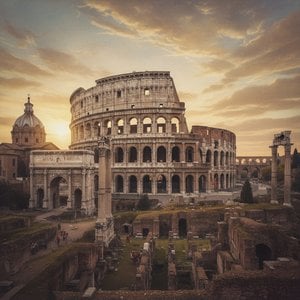
Explore the profound beauty of Roman architecture through art history. From Piranesi's evocative engravings to classical masterpieces, discover how the grandeur of ancient Rome continues to inspire collectors and art enthusiasts worldwide.

 Katso seinällä
 Lähetä
 Jaa
Jaa
 Tarkemmat tiedot
 Opas
Opas

 Lataa kuva
 Samanlaisia kohteita
 Röntgenkuvaus
 Diaesitys
 Tilastot
 Lue lisää







 Lasivaihtoehto on saatavilla vain alle 110 cm kokoisille teoksille


