

 AcrylicWallArtContemporary Minimalism
 1998
1998 125.0 x 250.0 cm
 Villa Arson
Tällä sivulla esitettyä taideteosta suojaa tekijänoikeuslaki, mikä tarkoittaa, ettemme voi laillisesti luoda tai myydä täsmälleen samanlaista jäljennöstä. Tämä suoja toteutetaan kansainvälisten sopimusten, kuten esimerkiksi Berne-konventio ja kansallisilla laeilla, mukaan lukien niillä määritellyt Yhdysvaltain tekijänoikeuslaki – Luku 17. Kaikki oikeudet pidätetään. Luvaton kopiointi tai jäljittely on kielletty.
Tämä menetelmä noudattaa täysin tekijänoikeussäännöksiä, sillä se ei sisällä suojatun taideteoksen kopioimista tai jäljentämistä. Sen sijaan kyseessä on luova uudelleentulkinta – uusi maalaus, joka ammentaa vaikutteita alkuperäisestä, mutta ei ole sen identtinen kopio.
Museolaatuisia giclée- tai kankaitaulun tulosteita nopealla tuotannolla ja joustavilla viimeistelyvaihtoehdoilla. ( Tilaa käsinmaalattu jäljennös Siirry digitaaliseen kuvaan)





























Valitse valmiista mitoistamme sellaiset, jotka vastaavat teoksen alkuperäisiä mittasuhteita.

Kirjoita tarvitsemasi leveys ja korkeus, jotta tuloste sopii kehyskokoon tai seinällesi. Tulostetta voidaan vain leikata, sitä ei voi koskaan tehdä suuremmaksi kuin alkuperäinen kuva, joten eri muotoinen koko aiheuttaa osan kuvasta katoamisen. Lähetämme sinulle digitaalisen mallikuvan hyväksyttäväksi ennen kuin aloitamme tulostuksen. Tällä sivulla näkyvä kuva ei näytä lopullista leikkausta — vain mallikuva näyttää sen.
Maailmanlaajuinen toimitus () 2 viikossa tavallisen 4–5 viikon sijaan. (23 lokakuu)
Peintures
Replikaatin koko
The artwork’s palette—primarily shades of beige, pink, and grey—further enhances its contemplative mood. Lines delineate the platform's edges and walls, reinforcing a sense of order and precision. Texture plays a crucial role in conveying the materiality of the installation; the platform’s complex layering creates visual interest while emphasizing its physical presence.
For interior designers seeking to evoke serenity and sophistication, Adrian Schiess’s minimalist exploration offers an invaluable reference point. Its understated beauty—captured with meticulous photographic detail—translates seamlessly into high-quality reproductions that celebrate the power of simplicity and geometric form.
Voit tilata teoksen Adrian Schiess:n "Peintures" painoksena suoraan sen Taidevedos -sivulta: taideteosvedos puuvillakangas- tai arkistoluokan kankaalle painettuna.
Voit tilata käsin maalatun jäljennöksen teoksesta Adrian Schiess:n "Peintures" suoraan sen Käsinmaalattu jäljennös -sivulta: käsinmaalattu öljyvärireproduktio pellavakankaalle, valmistetaan tilauksesta.
Adrian Schiess:n "Peintures" kuuluu Contemporary Minimalism-suuntaukseen. Tämä tyylisuunta antaa teokselle sen tyylillisen kontekstin.

Born in Edinburgh, Scotland, in 1959, Peter Doig’s artistic journey began far from the familiar landscapes of his birthplace, ultimately leading him to establish a profound connection with Trinidad and Tobago as both home and creative wellspring. His life story is interwoven with movement – first to Trinidad at the age of three, then Canada in 1966, and finally back to Britain for formal artistic training. This migratory experience profoundly shaped his perspective, imbuing his work with a sense of displacement and longing, yet simultaneously grounding it in vivid memories and carefully observed details.
Doig’s early influences were remarkably diverse. He credits childhood encounters with photographs, films, etchings, and personal recollections as the foundation for his distinctive visual language. This eclectic source material is then meticulously layered within his paintings, creating dreamlike scenes that often defy easy categorization. His work isn't simply a representation of reality; it’s an exploration of memory, suggestion, and the elusive nature of experience. He masterfully blends elements of realism with abstraction, producing images that are both familiar and unsettlingly strange.
Doig’s artistic style emerged gradually throughout the 1990s, gaining increasing recognition for its unique qualities. His paintings frequently depict landscapes—lakes, cabins, forests, and open fields—but these aren't straightforward depictions. Instead, they are imbued with an atmospheric quality, a sense of melancholy or quiet contemplation. He employs a distinctive figurative approach, drawing inspiration from personal memories, often filtered through the lens of nostalgia and the passage of time. His use of color is particularly noteworthy; he favors muted tones—blues, greens, browns—that create a subtle yet powerful emotional resonance.
Crucially, Doig’s work isn't about precise detail or photographic accuracy. He deliberately obscures certain elements, leaving gaps and ambiguities that invite the viewer to actively participate in constructing meaning. This deliberate vagueness is not a flaw but rather a key component of his artistic strategy, encouraging viewers to project their own experiences and emotions onto the canvas. His paintings are less like windows into a specific scene than portals into a realm of feeling.
Doig’s career has been marked by consistent critical acclaim and significant institutional recognition. He began exhibiting his work in the early 1990s, quickly gaining attention from prominent galleries and museums around the world. His paintings have been featured in major exhibitions at institutions such as Tate Britain, the Musée d’Art Moderne de la Ville de Paris, Schirn Kunsthalle Frankfurt, and the Whitechapel Art Gallery.
His work has achieved considerable commercial success on the secondary art market, with several of his paintings selling for seven or eight figures at auction – a testament to both its artistic merit and the growing interest in his unique vision. Doig’s paintings are now held in prestigious public and private collections globally, including those of the Tel Aviv Museum of Art, the San Francisco Museum of Modern Art (SFMOMA), Tate Modern in London, the British Museum, and the Museum of Modern Art in New York (MoMA).
Peter Doig is widely considered one of Britain’s most important contemporary painters. His work has been described as “New European Painting,” reflecting a shift away from traditional representational styles towards a more subjective and emotionally driven approach to landscape painting. He continues to live and work in Trinidad, drawing inspiration from his surroundings while maintaining strong ties to the British art world. Doig’s paintings are not merely images; they are invitations—invitations to contemplate memory, loss, and the enduring power of place.

1959 - , Switzerland
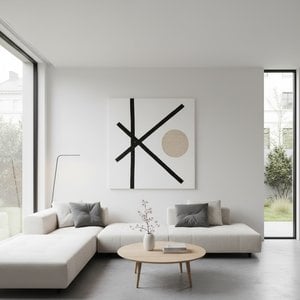
Discover how minimalist art elevates modern interiors. Explore the transformative power of geometric sculptures, tactile textures, and curated simplicity to create a luxurious, tranquil sanctuary in your home through expert design principles.
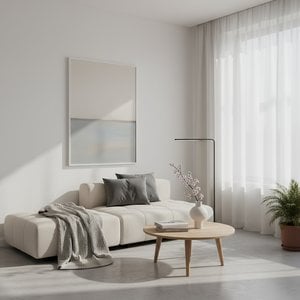
Elevate luxury hospitality with the transformative power of minimalist art. Discover how curated geometric sculptures and textured masterpieces create serene, sophisticated hotel interiors designed for the modern connoisseur.

Elevate your living space with our expert guide to minimalist art. Discover how to master intentional decor through curated sculptures, geometric forms, and sophisticated textures to create a serene, high-end modern interior.
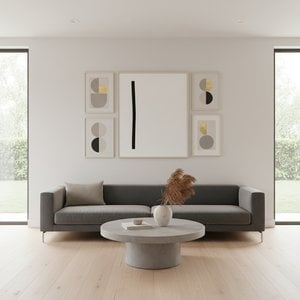
Discover the transformative elegance of minimalist art. Our expert guide explores how curated geometric sculptures, metallic textures, and intentional simplicity elevate modern luxury interiors into serene, sophisticated sanctuaries.

Discover the enduring allure of metal art. Explore how masterfully forged sculptures blend industrial strength with organic elegance to create timeless investment pieces for sophisticated collectors and luxury interiors.

 Katso seinällä
 Lähetä
 Jaa
Jaa
 Tarkemmat tiedot
 Opas
Opas

 Lataa kuva
 Samanlaisia kohteita
 Röntgenkuvaus
 Diaesitys
 Tilastot
 Lue lisää









 Lasivaihtoehto on saatavilla vain alle 110 cm kokoisille teoksille


